The full, original text of Pakistani diplomatic cable I-0678, the classified document at the centre of one of the most significant political disputes in Pakistan’s contemporary history, was released on May 17, 2026, by the investigative publication Drop Site News. For four years, the cable had been debated, cited, waved at demonstrations, prosecuted, and rejected. At last, it was out.
Asad Majeed Khan, Pakistan’s ambassador to Washington at the time, and Donald Lu, the US Assistant Secretary of State for South and Central Asian Affairs, met on March 7, 2022, according to the cypher, as it is known in Pakistan. According to the communication, Lu stated unequivocally that a parliamentary no-confidence vote to oust Prime Minister Imran Khan from office would significantly improve Pakistan’s relations with the United States and Europe. Lu reportedly declared, ‘All will be forgiven.’ The ambassador of Pakistan, who wrote the cable, stated in his evaluation that Lu could not have made such a direct declaration without the express approval of the White House.
An encrypted cable that is sent between a nation’s foreign embassies and its home government is known as a diplomatic cipher. It is a confidential conduit for private conversations that diplomats are confident will never be seen. Pakistan has been on fire for the past four years due to this.
A long-running debate has been rekindled by the release: was Imran Khan’s removal from office in April 2022 a genuine act of parliamentary democracy, or was it a planned departure shaped by a combination of Washington’s disapproval, Pakistan’s military establishment withdrawing its support, and an opposition coalition being given the go-ahead to relocate? There is no clear answer to that question provided by the cypher. Understanding the cypher requires understanding the system that created it. To understand the system, you must go back even further to another prime minister who, with some reason, believed he had been set up to fail.
The man before: Nawaz and the pattern
Nawaz Sharif served as prime minister three times. He was more familiar with Pakistan’s establishment, the formidable network of military and intelligence agencies known as ‘the establishment’ in Pakistani political jargon, than anybody else. He was also aware that it may turn on you.
The Supreme Court of Pakistan disqualified Sharif in 2017 after the Panama Papers revealed links between his family and offshore accounts. The ‘sadiq and ameen‘ clause of the constitution, which mandates that elected officials be trustworthy and honest, served as the legal mechanism. Both supporters and critics pointed out that the clause had never been applied so quickly and that institutional pressure was evident in the speed of the court procedures. Sharif’s description of what he called a judicial-military nexus working against him was supported by enough reliable sources, including those in the legal community, that it could not be completely disregarded.
By the time Sharif departed for London in 2019, supposedly for medical care, he had established himself as a pillar of luxurious exile. From a home that was more Mayfair than miserable, he went to meetings, conducted interviews, and maintained his political influence. His future rehabilitation was already being prepared for by Pakistan’s political system, which permits the controlled comeback of fallen leaders. The Brookings Institution, writing in 2023, would remark that the groundwork was being laid for Sharif’s comeback as the establishment’s next preferred choice, with his convictions being overturned with strange efficiency.
However, the establishment required a fresh face in 2017. Someone fresh, charismatic, and, hopefully, manageable. In cricket whites, they found their man.
Imran Khan: The chosen one
The path of Imran Khan’s political career is one of slow change that took longer than anyone anticipated. The 1992 world cricket champion, who was idealistic, principled, and routinely disregarded by the electorate, was a marginal character in Pakistani politics for more than 20 years. The Movement for Justice, or Pakistan Tehreek-e-Insaf (PTI), which he founded in 1996, won barely anything for years.
Then, in 2011, a huge PTI protest at Lahore’s Minar-e-Pakistan, a place rich in national significance, appeared out of nowhere with hundreds of thousands joining it. Suddenly, the Pakistani diaspora, young professionals, and urban middle class, who had grown up witnessing the nation’s elder parties exchange power and embezzle money, had their own candidate. In a way that traditional politicians could not match, Khan’s anti-corruption discourse and his story of ‘Naya Pakistan’, a new Pakistan, cut through.
The establishment’s involvement in enabling this rise was less openly declared, although it was well understood by political watchers. The tables were turned, as Brookings observed prior to the 2018 election, in a near mirror image of what would eventually happen to Khan himself. Khan was the preferred candidate, as Sharif was embroiled in legal issues. Election engineering, or what Pakistanis refer to as pre-poll rigging, benefitted PTI; rival parties’ candidates were under pressure from cases, and media coverage became unfavourable to the opposition. In the elections held in July 2018, Khan secured the majority and established a coalition government. He was, to put it frankly, ‘the project.’
Khan’s critics argue that he was an army backed invention, a claim that his supporters vehemently deny. The reality is likely more unsettling, Khan had sincere public support, genuine popular appeal, and real policy commitments. At the same time, he was helpful to an establishment that sought a civilian face that wouldn’t interrupt the core structure of military control in Pakistani governance.
The honeymoon and the falling out
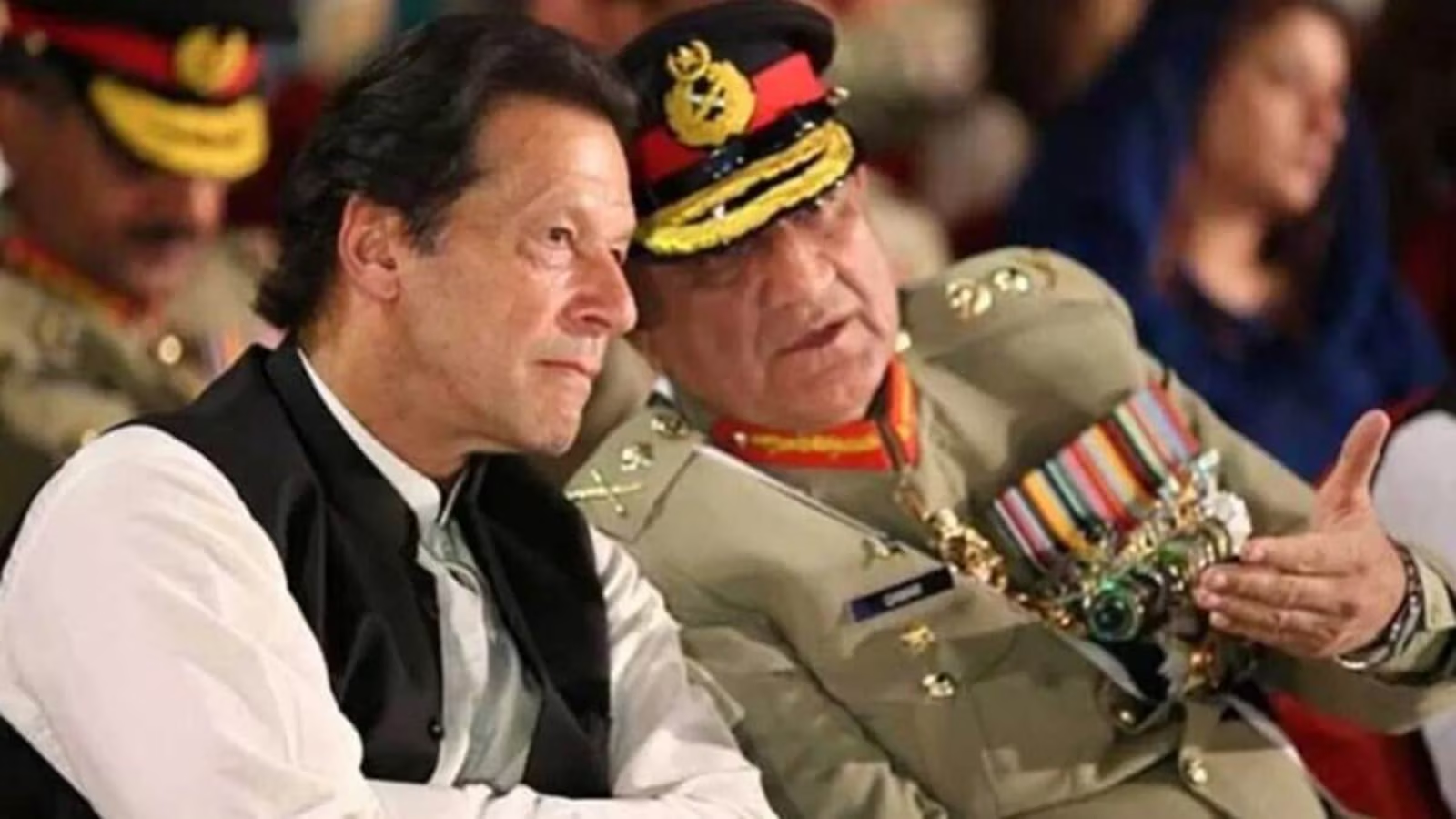
From 2018 to around 2020, Khan’s government had an exceptional level of public goodwill between civilian and military officials. Khan and army head General Qamar Javed Bajwa attended public events together, spoke about national unity, and worked closely on policy. The relationship was, in the jargon of Pakistani political science, a ‘hybrid regime,’ civilian in form, with the military in full control of the true levers of power, foreign policy, security, and the constraints within which domestic politics operated.

The cracks started out slowly and then suddenly became visible.
Khan proved to be more difficult to handle than the establishment had thought. He tended to trust a close-knit group of people, personalise decision-making, and reject suggestions he didn’t agree with, especially when it came to appointments. The ISI chief was at the centre of the most important of these conflicts. In October 2021, Khan objected to the army’s selection of Lieutenant General Nadeem Anjum to lead the ISI, a denial that was equal to a civilian government opposing the army’s most sacrosanct institutional right in Pakistani civil-military relations. He eventually yielded, but the harm had been done.
Khan was having trouble managing his finances at the same time. Public unhappiness increased, the rupee declined, and inflation surged. The establishment started to reconsider after essentially funding the political climate that led to Khan’s rise to power. The civil-military collaboration, which had never genuinely been equal, was secretly renegotiated in favour of the army.
The world turns against Imran Khan
Khan’s difficulties were made worse by foreign policy, which ultimately proved to be deadly to his government.
His engagement with Saudi Arabia served as an example of how institutional necessity can conflict with personal belief. Riyadh has traditionally been one of the most influential foreign players in Pakistani politics due to the country’s reliance on Gulf funds for remittances, deposits in the State Bank, and financial assistance during difficult times. Khan’s intuition took a different turn. The Saudi Crown Prince Mohammed bin Salman saw his outspoken declarations of Muslim unity, his advocacy for a more autonomous Pakistani foreign policy, and his attempts to form a parallel axis with Turkey and Malaysia as direct challenges to Riyadh’s leadership of the Islamic world.
In a widely read article, Pakistani analyst Najam Sethi pointed out that General Bajwa had to travel to Riyadh several times to mend the ties that Khan’s statements had upset. According to reports, the Saudis responded by cutting back on financial assistance to Pakistan, making the government’s financial situation even more vulnerable.
Next came Moscow and Ukraine. Vladimir Putin, the president of Russia, declared the invasion of Ukraine on February 24, 2022. Imran Khan was sitting across from Putin in a meeting that had been planned for months at that precise moment while on a state visit to Moscow. The picture was heartbreaking. On the day of Europe’s worst military crisis since World War II, the prime minister of a country heavily dependent on Western assistance was physically present in the Russian capital.
In keeping with his long-standing ‘absolutely not‘ attitude against allowing US military activities on Pakistani territory, Khan presented Pakistan’s stance as principled neutrality, a reluctance to take sides in a conflict between world powers. Donald Lu met with Pakistan’s ambassador in Washington two weeks later, on March 7, 2022, and expressed his thoughts in unusually forthright words for diplomatic standards.
That conversation is documented in the cipher. Pakistan’s stance on Ukraine, according to Lu, is aggressively neutral, if such a position is even possible. According to the cable, he made it clear that Imran Khan was directly responsible for this position and that ties would greatly improve if the upcoming no-confidence vote was successful. In his own evaluation, Pakistan’s envoy expressed concern that such a strong demarche would not have been possible without White House consent. It appeared that the establishment had been closely monitoring the sentiment in the West. Once the inconvenient citizen had been dismissed, the realignment could commence.
The mechanics of a managed departure
Prime Ministers are no longer removed by the establishment using tanks, at least not publicly. The machinery is more subdued, a whispered message to a prominent opposition figure, the removal of media protection, an abrupt release of the judiciary’s schedule, and a coalition of opposition parties that, until recently, could hardly stand to be in the same room finding a sudden unity of purpose.
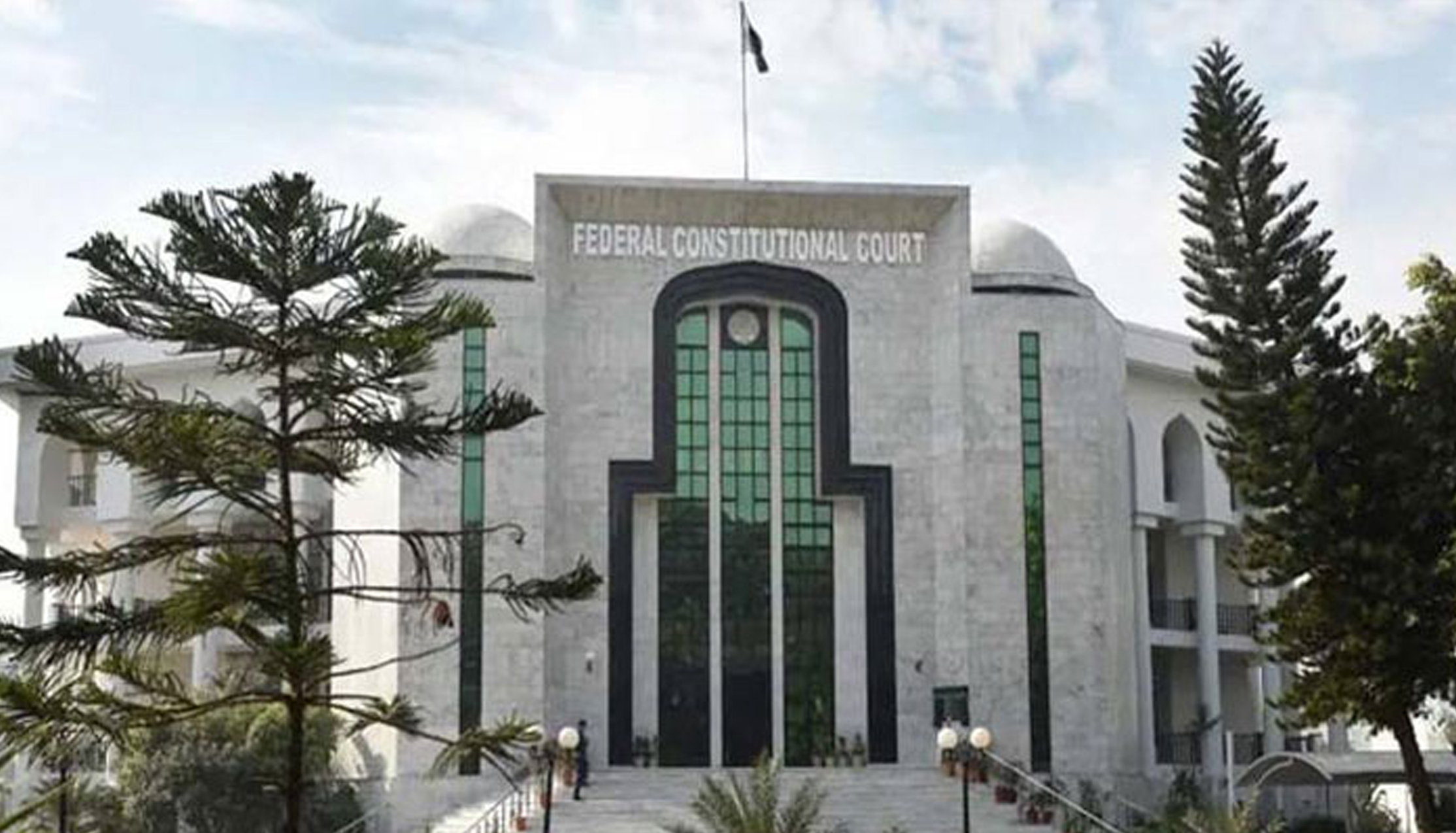
That machinery turned against Khan at the beginning of 2022. A no-confidence resolution was introduced in parliament by the Pakistan Democratic Movement, a coalition of parties that included the Pakistan Peoples Party and Nawaz Sharif’s PML-N. Khan’s attempts to postpone the hearings were thwarted when the Supreme Court stepped in to make sure the process could not be stopped. The vote of no confidence was approved on April 10, 2022. A parliamentary vote of no confidence had toppled a prime minister for the first time in Pakistani history. The constitutional procedure was strictly adhered to.
Khan had known what was about to happen. Just two weeks prior to his departure, on March 27, 2022, he took a piece of paper out of his jacket pocket while standing in front of a sizable rally in Islamabad. He informed the assembly that the cypher demonstrated a foreign plot to have him removed. He waved it, quoted from it, and used it as the foundation for his whole future political story. A few days later, the National Security Committee, which he chaired, deemed the US meddling ‘blatant’ and ‘unacceptable under any circumstances.’
Just weeks later, the same committee reconvened under new Prime Minister Shehbaz Sharif and quietly reversed the assessment. The second committee came to the conclusion that although meddling had occurred, there was no proof of a conspiracy. Depending on who was chairing the session, the army chiefs who attended both meetings seemed to have come to different conclusions regarding the same document.
From project to prisoner
The establishment had not anticipated the months that followed Khan’s dismissal. Rather than withdrawing into opposition and waiting for his time, Khan took to the streets, something they hadn’t planned on. He attracted huge crowds to his rallies. His story, which claimed that Washington’s pressure and the army’s betrayal, using the old corrupt parties as tools, had removed him, struck a chord with millions of Pakistanis who were also witnessing the return of the same old faces to power and the decline of their purchasing power due to inflation. Surprisingly, he was more well-liked when he wasn’t in office.
The state responded in a deliberate and intensifying manner. In the midst of spectacular chaos at an Islamabad courthouse in May 2023, Khan was arrested. In what became known as May 9, his supporters stormed military facilities and took to the streets. Senior PTI leaders either vanished into intimidated quiet, swapped sides, or were imprisoned. In the Toshakhana case, a corruption case involving the misappropriation of public gifts, Khan was found guilty in August 2023 and given a three-year sentence. As more cases accumulated, he stayed behind bars. In the Al-Qadir Trust case, he and his spouse, Bushra Bibi, were sentenced to 14 years in January 2025. In June 2024, the Islamabad High Court overturned the cypher case that had jailed him and former foreign minister Shah Mahmood Qureshi for ten years in prison.
The irony has not escaped the notice of onlookers. Khan was charged, in part, for disclosing the cypher, which, according to a secret ISI report acquired by The Intercept, his own intelligence agency privately assessed could not have jeopardised Pakistani national security in any technically serious way. The ISI’s own experts pointed out that the encryption key was never in danger. It was political in nature. General Asim Munir became army head and was later promoted to the rank of Field Marshal, an award previously held only by Ayub Khan. Munir had been briefly designated ISI chief under Khan before Khan attempted to remove him, an event that many feel sowed the roots of personal animosity. Pakistan’s military was solidifying its status as the only unchallenged judge of the nation’s political future.
The cypher returns, and so does the question
There is a way for the planet to come full circle. Drop Site News revealed cable I-0678 in its entirety in May 2026, just as Pakistan’s military regime was enjoying widespread recognition for mediating between the US and Iran during a risky escalation in the Gulf. The timing was perfect. Donald Trump referred to Pakistan’s army head as ‘my favourite Field Marshal‘. According to the cypher, Pakistan had effectively reintegrated into the American strategic orbit, which was exactly what Washington had desired from the moment it resisted Khan’s visit to Moscow.
The key question has been raised once more by the cipher’s complete disclosure. Were the statements made in it, such as ‘all will be forgiven’ and the clear connection between Khan’s dismissal and better bilateral ties, proof of American meddling in Pakistan’s domestic affairs? Or were they simply commonplace statements of diplomatic dissatisfaction, misinterpreted and politically weaponised?
Both statements may have some truth to them. It was evident that the US had a strong preference. Donald Lu seemed to be going above his brief, according to his own ambassador interlocutor, who expressed diplomatic unease. However, it is not the same as plotting a coup when a foreign power expresses its preferences. For a variety of factors, including the disagreement over ISI appointments, tensions with Saudi Arabia, poor economic management, and the growing animosity between Khan and the generals, Pakistan’s army made its own decision. On the scale, the cypher represented one weight. Another was the calculations made by the establishment itself.
The cypher does, beyond a reasonable doubt, prove that Khan’s narrative, that external pressure and internal military pullout united to push him out, was not manufactured. It was based on documents. His opponents used a law prohibiting the disclosure of state secrets to make it illegal to describe what the state had gone through, and they spent two years prosecuting him for simply saying the same thing.
The permanent cycle
Pakistan’s democratic future has always been a victim of this cycle. The cypher leak serves as a reminder that the system it describes is not a bug, regardless of whether you think it indicates a foreign conspiracy, institutional betrayal, or both. The military has historically operated in a geopolitical setting where influential external actors have an interest in who holds office in Islamabad, and civilian governments have long existed in Pakistan at the expense of the military. The complete architecture of the previous episode is now evident, which is what sets this moment apart. Everything is documented, including the leaked cable, the army’s confidential evaluations, the reversals of post-ouster policy, and the rehabilitation of defeated opponents.
Pakistan has a long history of elevating its leaders to high positions before carefully removing them. Its system has never been able to provide a persuasive explanation to the question of whether it will ever be able to create a system that does neither, where governments are chosen by popular vote rather than by decisions made in secrecy. Cable I-0678, the cypher, is unable to provide an answer. Even though it was published four years later and caused political inconvenience for nearly everyone, it at least guarantees that the question cannot be evaded. That might be the highest level of accountability accomplished in Pakistan, showing up just in time to expose the crime, but arriving too late to save anyone.