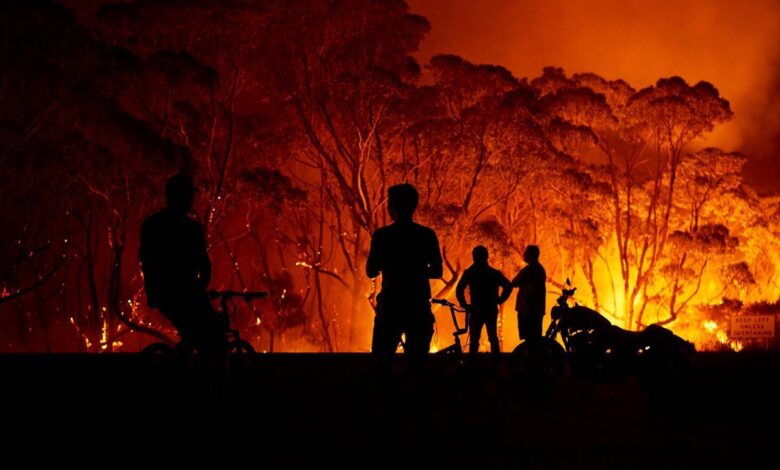
A Super El Niño is expected to develop between May and July, with scientists warning that sea surface temperatures are approaching record highs as conditions move towards a potentially powerful El Niño weather pattern that could impact Europe and Ireland

Areas closest to the unusually warm Pacific typically bear the brunt of more severe consequences(Image: Getty Images)
Another spell of weather chaos could be looming, as scientists warn that an incoming “Super El Niño” might push temperatures to record-breaking levels.
Meteorologists say the climate event – caused by warming waters in the Pacific Ocean – has the potential to intensify heat worldwide, raising fears about more extreme weather hitting Europe. A Super El Niño occurs when sea-surface temperatures in the central-eastern equatorial Pacific Ocean rise at least 2C beyond normal levels.
There is growing confidence that El Niño conditions could strengthen significantly, with some experts comparing it to some of the most powerful episodes on record. And despite El Niño originating thousands of miles away, it can still influence Europe’s weather patterns.
A Super El Niño is now expected to emerge between this month and July. The European Union’s climate monitoring service has revealed ocean temperatures are now nearing record highs as conditions shift towards a potentially powerful El Niño weather pattern.
Samantha Burgess, from the European Centre for Medium-Range Weather Forecasts, observed that sea surface temperatures in recent days were just below the all-time peaks of 2024.
“It’s a matter of days before we are back in record-breaking ocean SSTs (sea surface temperatures) again,” Burgess said.
Strong El Niño events have traditionally been linked to an increased probability of colder and drier winters – while also wreaking havoc on global weather systems, potentially sparking heatwaves and heavy downpours elsewhere, reports the Mirror.
Experts highlight that the main worry surrounding El Niño is the extra heat it releases into the atmosphere, amplifying the impact of man-made climate change.
Areas closest to the unusually warm Pacific typically bear the brunt of more severe consequences. Countries in the western Pacific, such as Australia, Indonesia and the Philippines, may encounter drier-than-normal conditions, possibly leading to droughts and wildfires.
Conversely, South American countries like Peru and Ecuador could see significantly wetter weather, potentially triggering devastating floods.
El Niño’s reach extends well beyond its origin point, with the climate event disrupting monsoons throughout India and boosting winter precipitation across the south-western United States.
In Ireland, weather patterns frequently trail behind the phenomenon itself. El Niño may deliver higher temperatures during summer, but Europeans are expected to experience its impact more keenly during the late winter months.
Want to see more of the stories you love from RSVP? To add RSVP as a preferred source of news on Google, simply click here.