
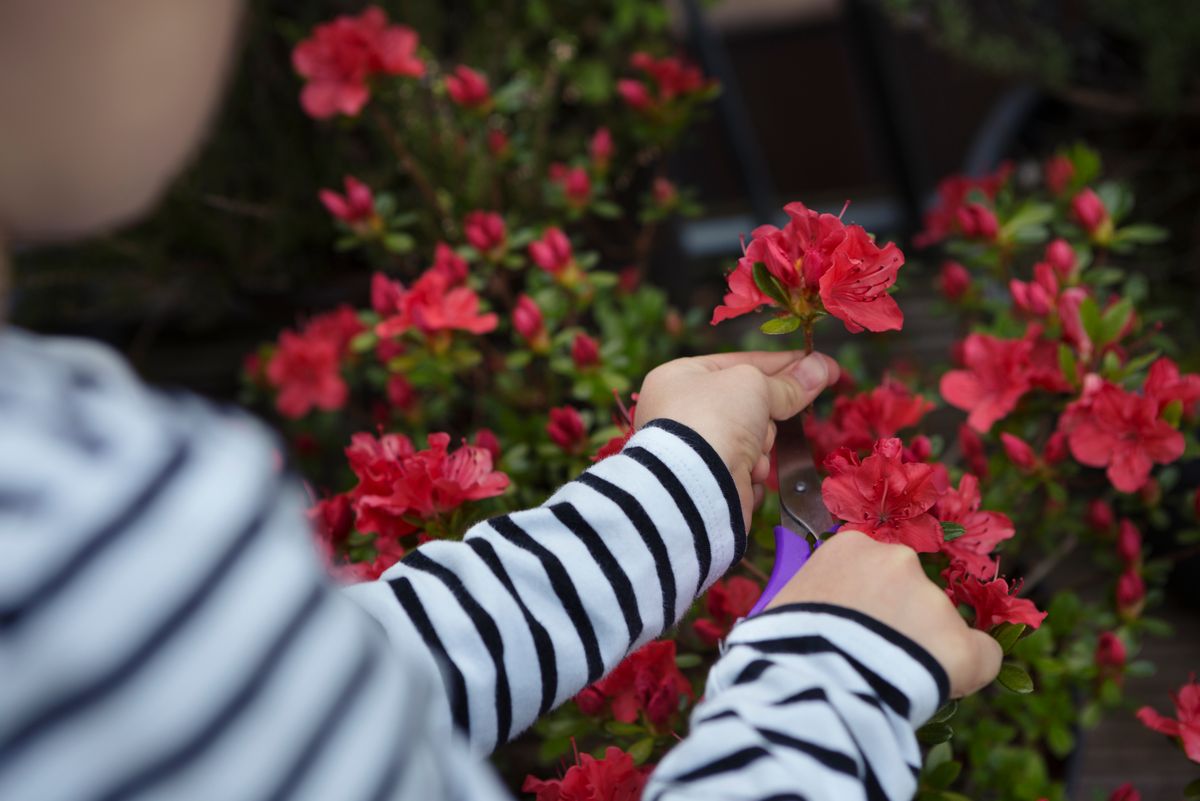
Jack Stooks, who worked at Highgrove House for more than two decades, has shared a clever household hack that can truly transform your garden plants this summer

Some gorgeous azaleas(Image: Getty Images)
With summer just around the corner, it is the perfect time to sit back, relax, and enjoy your garden in full bloom.
But if you are struggling to see your rhododendrons or azaleas flourish, King Charles’ former gardener has a clever household hack that can truly transform them.
Jack Stooks, who worked at Highgrove House for more than two decades, says that used coffee grounds can be great for helping the acid-loving plants thrive.
Speaking to Coffee Friend, he reveals the key to unlocking the benefits of coffee, as well as the common mistakes you’ll want to avoid.
“Coffee grounds tend to work best on acid-loving plants, so think rhododendrons or azaleas. Coffee contains nutrients like nitrogen, potassium and magnesium, which help plants grow strong and flower well. As the coffee grounds break down, they also improve the soil and help it hold onto moisture,” Jack explained.
“Ideally, dry your coffee grounds out first. I usually spread them out on a baking tray on sunny days and then store them in an airtight container. When you’re ready to use them as a feed, mix the dried coffee grounds with compost before applying them around the roots of the plant.
“Lightly work the mixture into the soil and water it in well. Using wet coffee grounds can lead to mould, which is something you want to avoid. Mixing the grounds deep into compost also helps incorporate them more evenly into the soil and prevents pets, particularly dogs, from eating large clumps, as coffee can be toxic to them.”
The grounds can also come in handy for deterring annoying garden pests.
“Dried coffee grounds can also help deter slugs and snails. For plants like delphiniums or hostas, try placing a ring of dried coffee grounds around the base of the plant. Slugs and snails are less likely to cross it because of the rough texture, while the caffeine content can also act as a deterrent.
“It won’t stop every pest, but it can help reduce damage and discourage them from ruining your plants. I wouldn’t recommend using coffee as a spray on plants, though, as it can also affect pollinators, and protecting pollinators is really important for a healthy garden. Instead, test dried coffee grounds in small areas first and see what difference they make.
“It’s also important not to overfeed the soil with coffee grounds, as too much can make it overly acidic. Use them gradually and think of coffee grounds primarily as a plant feed, rather than simply a way to get rid of pests.”
Want to see more of the stories you love from RSVP ? To add RSVP as a preferred source of news on Google, simply click here