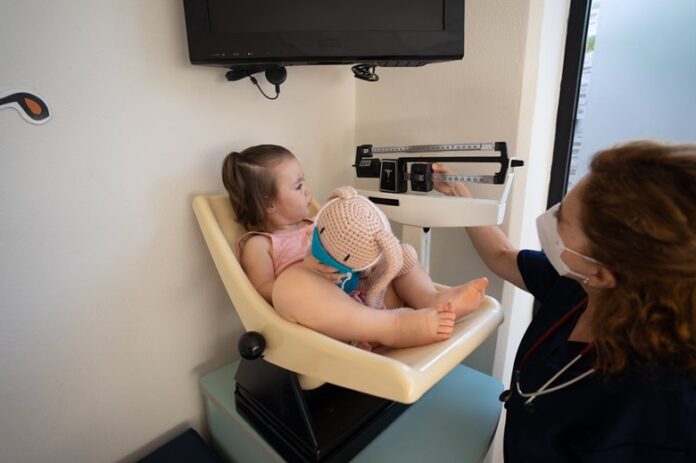

When your child needs medical support at home, you want steady help that also protects growth and joy. Pediatric home care does both. It brings skilled support into your living room so your child can learn, play, and heal in a familiar space. This reduces stress for your child. It also gives you clear guidance so you do not feel alone. Personal Health Care offers in home support that fits your child’s daily routine. This allows for a link between the therapy, academic, and family routines of the child. It also ensures that you notice subtle variations in behavior, sleep patterns, and movements to prevent these from becoming more problematic. Let us learn about the role of nurses, therapists, and attendants in improving speech, motor skills, learning, and behavior.
What Pediatric Home Care Means For Your Child
Pediatric home care is health support that comes to you. Your child receives nursing, therapy, and personal care in your home. Your child still belongs to a medical team. The care simply moves to a place that feels safe.
Home care can include three core supports.
- Nursing care such as medication support and feeding help
- Therapies such as speech, physical, and occupational care
- Daily living help such as bathing, dressing, and play support
This structure protects your child’s body. It also guards learning, behavior, and social growth.
Why Home Matters For Child Development
Children grow through routine. Home care uses that power. Your child practices skills in the same rooms used every day. That makes learning stick.
At home your child can.
- Practice walking in hallways and rooms that match real life
- Use speech skills with parents, brothers, sisters, and caregivers
- Work on self care in the bathroom, kitchen, and bedroom
According to the CDC in the United States, the practice in everyday situations will help develop speech, physical ability, and social skills. More information on developmental milestones can be found at the CDC developmental milestones webpage.
How Home Nurses Support Growth
Nurses do more than watch symptoms. They protect your child’s chances to grow. They keep your child stable so play and learning can continue.
At home a nurse can.
- Manage medications so your child stays alert for school work and play
- Watch breathing, feeding, and sleep so your child has enough strength
- Teach you how to use equipment in simple steps
This calm control reduces sudden trips to the hospital. It also cuts fear for your child. That calm mood supports attention, memory, and behavior.
How Therapists Build Skills At Home
Therapists turn your home into a practice space. They use what you already own. This keeps tasks simple to repeat when they leave.
Common supports include three types of therapy.
- Speech therapy for language, feeding, and social turn taking
- Physical therapy for strength, balance, and safe movement
- Occupational therapy for dressing, writing, and play skills
Therapists can show you small daily tasks that build skills. Three strong tools are.
- Short play tasks that build hand use and problem solving
- Simple picture charts that guide routines
- Body stretches that fit into morning or bedtime
How Home Care Supports School Success
Child development and school success are linked. Home care helps your child stay ready for learning. It also keeps school staff informed.
Home care teams can.
- Share care plans with teachers and school nurses
- Set a schedule that matches school hours and homework time
- Help with device training for communication or mobility
The U.S. Department of Education explains that children with disabilities have rights to support in school. You can learn more at the IDEA parents and families page.
Comparing Care Settings For Child Development
Every family faces hard choices about where care happens. Home care is one option. Clinic care and hospital care are others. The table below compares how each setting can affect child development.
| Care Setting | Child Comfort | Practice In Daily Routines | Family Involvement | Exposure To Germs
|
|---|---|---|---|---|
| Home pediatric care | High. Child stays in familiar rooms | High. Skills practiced in real life tasks | High. Parents and siblings take part | Lower. Smaller contact with sick groups |
| Clinic based care | Medium. New place but short visits | Medium. Tasks often use clinic tools | Medium. Parents may wait during sessions | Medium. Shared space with other children |
| Hospital based care | Low. Strange sounds and routines | Low. Focus is on medical needs | Low to medium. Visits may be limited | Higher. Many sick patients in one site |
This shows how home care can create strong space for steady growth while still protecting health.
Your Role On The Home Care Team
You are not just a parent. You are part of the care team. Your voice shapes the plan. Your daily choices carry it out.
You can support development in three clear ways.
- Share what you see about mood, sleep, and play
- Follow simple home programs and ask for changes when life shifts
- Keep school, care team, and family on the same page
Care staff can teach you how to track growth without complex charts. You might use a small notebook. You might use a calendar on the fridge. What matters is steady notes.
Simple Daily Habits That Protect Progress
Home care works best when tied to small habits. These do not need special tools. They need time and attention.
Three strong habits are.
- Regular routines for waking, meals, learning, and sleep
- Short play times that match your child’s level
- Calm ways to handle fear or anger such as quiet corners or breathing
Talk with your home nurse or therapist about how to fit these habits into your life. Ask for clear steps. Ask for backup plans for hard days.
When To Ask For More Support
You know your child. If you see strong changes, ask for help. Call your care team if you notice three warning signs.
- Loss of skills your child already had
- New behavior that stops play, sleep, or school work
- Medical changes such as trouble breathing or eating
Quick action can protect both health and growth. You do not need to wait for the next visit.
Moving Forward With Confidence
Pediatric home care brings expert support into the heart of your family life. It guards your child’s body. It also protects speech, movement, learning, and behavior. With the right team, your home becomes a place where care and childhood grow side by side.