The government on Monday initiated high-level discussions on the tokenisation of sovereign debt instruments and Naya Pakistan Certificates (NPCs), as part of efforts to modernise Pakistan’s financial infrastructure and expand investor access through blockchain technology.
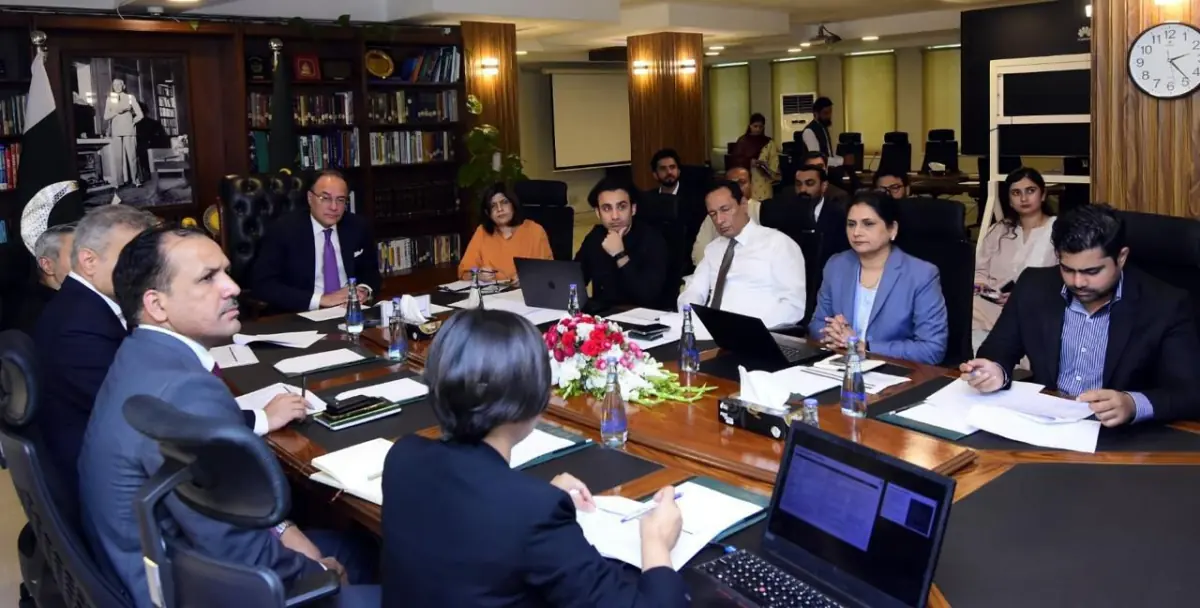
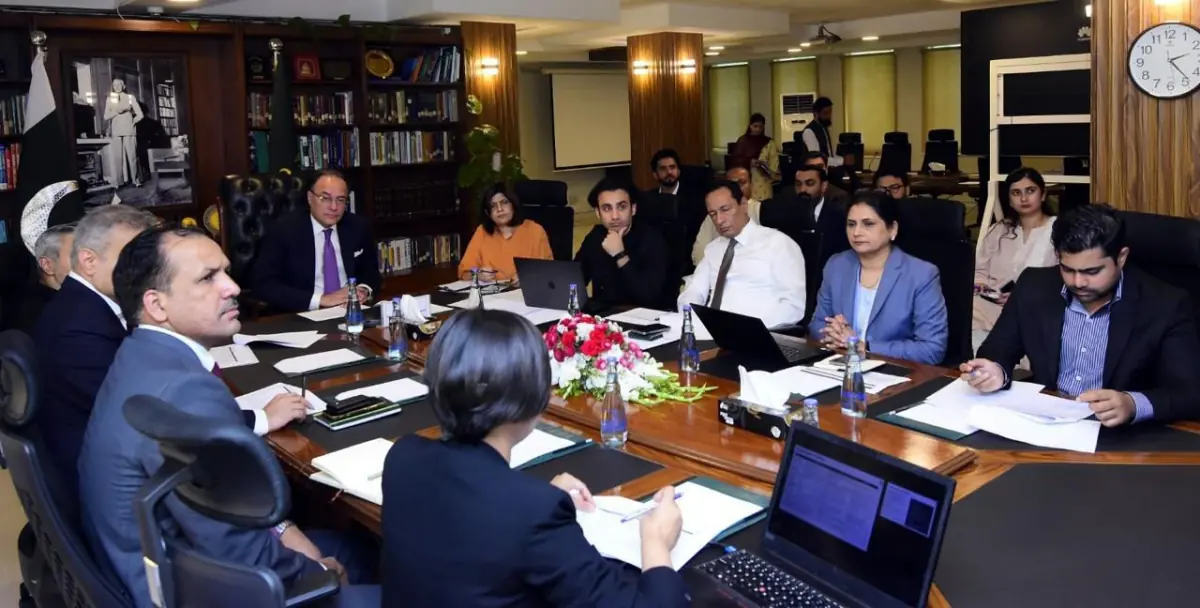
The discussions took place during a meeting between Finance Minister Muhammad Aurangzeb, Minister of State and Chairman of the Pakistan Virtual Assets Regulatory Authority Bilal Bin Saqib, and Adviser on Debt Management Omer Khan, according to a statement issued by the Finance Division.
The meeting marked one of the first senior-level government engagements focused specifically on sovereign asset tokenisation and the role of blockchain infrastructure in capital markets.
READ MORE: Govt to allow Binance to explore ‘tokenisation’ of up to $2bn of assets
Officials discussed possible structures, implementation pathways, regulatory requirements and next steps for introducing tokenised sovereign instruments within Pakistan’s evolving financial ecosystem.
According to the statement, the model under consideration involves the issuance of digitally native sovereign notes through a regulated blockchain-based financial market infrastructure, enabling same-day settlement while remaining interoperable with conventional international clearing and settlement systems linked to Pakistan’s existing Eurobond programme.
The proposal would allow coupon payments, secondary market trading and final repayments to continue through established global financial infrastructure, ensuring compatibility with institutional investors participating in Pakistan’s sovereign debt market.
The meeting also reviewed the potential tokenisation of Naya Pakistan Certificates to improve accessibility for overseas Pakistanis and broaden retail investor participation through digital investment channels connected to global markets.
Officials noted that the Roshan Digital Account initiative has attracted nearly $13 billion in cumulative inflows since its launch in 2020, with most of the funds deployed within Pakistan’s economy.
Finance Minister Aurangzeb said Pakistan remained committed to exploring emerging financial technologies that could support economic modernisation, deepen investor participation, and strengthen financial accessibility.
Bilal Bin Saqib said programmable infrastructure, real-time settlement and digital financial networks represented the future of global finance, adding that Pakistan had an opportunity to position itself among countries building next-generation financial systems.
The statement said the Finance Ministry, the State Bank of Pakistan and PVARA would continue coordination on the design, governance and phased development of the initiative, while technical discussions on regulatory frameworks and pilot structures would continue.