PIONEER EDGE NEWS SERVICE / Dehradun
The State government’s proposed move to regulate trekking and mountaineering activities in Uttarakhand has received a mixed but largely positive response from people associated with the trekking business, with many welcoming better safety standards while also cautioning against excessive bureaucracy.
Adventure tourism stakeholders argue that the sector has long required clearer regulations, trained guides and improved coordination in remote trekking areas, particularly as the number of trekkers visiting Uttarakhand continues to increase annually.
Trekking guide Praveen Rangar said that the government’s focus on safety and registration is a positive step, but implementation should not make operations more complicated for genuine operators. He said that trekking permissions currently involve multiple departments, including the Forest department, district administration, Tourism department and the police, depending on the route.
“Different districts follow different systems and permissions often take time. If the government creates a proper single-window system, it will help both operators and tourists,” he said. Better coordination between departments could also improve tracking of trekkers and strengthen rescue response during emergencies in remote Himalayan regions, he added.
However, some people working in the sector said that the larger concern remains the growing number of untrained individuals conducting treks on difficult mountain routes. Former Kedarnath MLA Manoj Rawat said that many inexperienced guides lack knowledge of mountain weather, navigation, altitude sickness, first aid and emergency response.
“Tourists depend completely on guides during remote treks. Proper training and field experience are extremely important in the mountains,” he said.
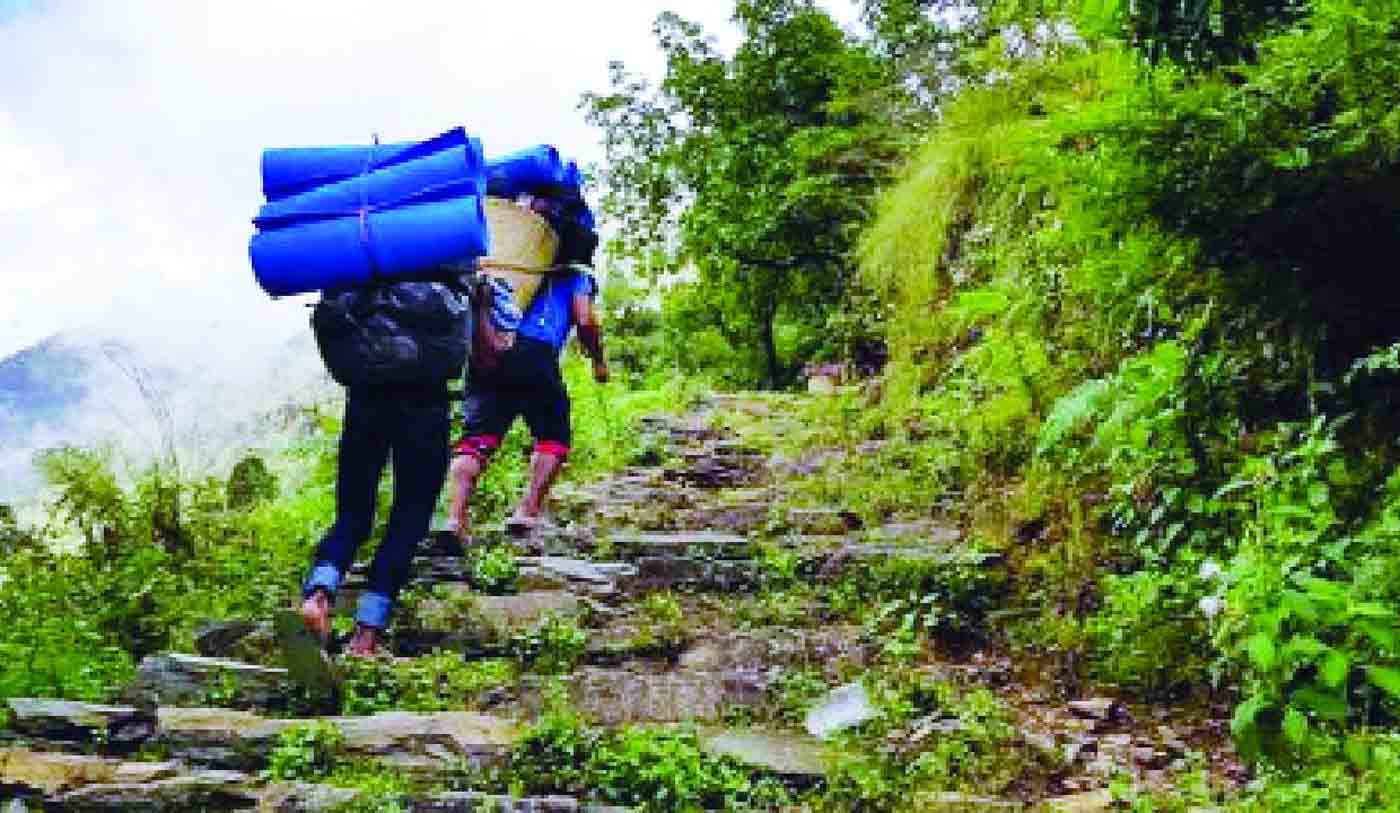
At the same time, he says that regulations should not negatively affect villagers who depend on trekking tourism for their livelihood. In several remote areas, local youths work as guides, porters and support staff during the trekking season.
Rawat added that many experienced local guides have learned mountain skills over the years of working on trekking routes and should be included in the system through proper training opportunities rather than complicated licensing procedures.
He stated that poor communication, connectivity and rescue infrastructure also continue to remain concerns in many high-altitude and border areas of the State. Several trekking routes still lack mobile network coverage, while difficult terrain and weather conditions often delay rescue operations.
Uttarakhand Tourism Development Board (UTDB) deputy director Amit Lohani stated that the proposed policy may include mandatory registration for guides and operators, safety equipment standards and emergency response mechanisms for trekking activities in sensitive regions.