The ongoing geopolitical confrontation involving Iran has once again exposed the fragile nature of global diplomacy and the dangerous strategic calculations of powerful nations. The recent escalation between the United States and Iran, followed by a temporary ceasefire, has created a volatile situation in West Asia with far-reaching implications for global stability, energy security and international relations.
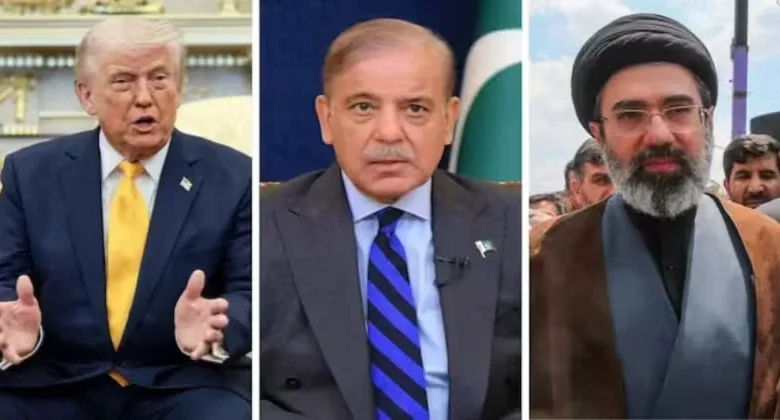
Recent reports indicate that a temporary two-week ceasefire between the United States and Iran was brokered with the diplomatic involvement of Pakistan. The agreement came after weeks of intense military escalation and the threat of a wider regional war.
While some governments have welcomed the ceasefire as a step toward de-escalation, many analysts remain skeptical about the durability of the arrangement and the credibility of the intermediaries involved.
Pakistan’s questionable role
Pakistan’s attempt to position itself as a mediator in such a sensitive geopolitical crisis raises serious concerns. The country has long been associated with instability and the nurturing of extremist networks that have destabilized regions across South Asia and beyond.
For decades, Pakistan has faced international accusations of supporting or tolerating terrorist organizations operating within its borders. Several countries—including India, Afghanistan, the United States and European nations—have accused Pakistan of allowing militant groups to operate or receive support from its territory.
The Global Terrorism Index 2026 has further highlighted Pakistan’s troubled security environment. The country ranked among the most terrorism-affected nations in the world, recording over 1,000 terrorist attacks and more than 1,100 deaths in 2025 alone.
In addition, Pakistan has repeatedly faced international scrutiny for terror financing. The Financial Action Task Force (FATF) placed Pakistan on its “grey list” for several years due to deficiencies in controlling money laundering and terrorist financing networks, forcing the country to implement reforms under global monitoring.
These facts raise a fundamental question: Can a nation struggling with such internal and international credibility issues genuinely claim the moral authority to mediate a conflict of global importance?
Strategic calculations of the United States
Equally concerning is the geopolitical strategy of the United States. Reports suggest that Washington struggled to build strong international consensus during the escalation with Iran. Some traditional allies showed hesitation about becoming directly involved in another Middle Eastern conflict.
Historically, wars in the region have produced unpredictable consequences for global powers. The conflicts in Iraq and Afghanistan, for example, resulted in enormous financial costs, geopolitical instability, and long-term strategic setbacks for the United States.
In the current crisis, the stakes are even higher because Iran occupies a critical position in global energy security. The Strait of Hormuz, located near Iran, is one of the world’s most important maritime oil routes, through which a significant portion of global oil supply passes. Any prolonged conflict in this region could disrupt energy markets and trigger a worldwide economic shock.
Iran’s strategic awareness
Iran is not an inexperienced player in global geopolitics. With a long civilizational history and a strategic understanding of regional power dynamics, Tehran is unlikely to fall easily into diplomatic traps designed by external actors.
Iran’s leadership has consistently emphasized the importance of sovereignty and regional independence in its foreign policy. Even while accepting temporary ceasefires, Iranian officials have signaled that negotiations must respect national interests and security concerns.
Moreover, the internal dynamics of the current conflict remain highly fragile. Even after the ceasefire announcement, tensions remain high and military actions across the region continue to threaten the stability of the agreement.
The danger of global economic shock
The consequences of a prolonged conflict between the United States and Iran would extend far beyond West Asia. Energy markets are already highly sensitive to geopolitical disruptions. Any escalation affecting oil production or shipping routes could lead to:
- Sharp increases in global oil prices
- Inflationary pressures across major economies
- Disruptions to international trade
- Instability in financial markets
Such developments could trigger a chain reaction affecting both developed and developing economies.
The urgent need for responsible diplomacy
At this critical juncture, the world cannot afford reckless geopolitical maneuvering. Conflicts driven by power politics, resource competition, and ideological confrontation rarely produce sustainable peace. Instead, the international community must prioritize genuine diplomacy based on mutual respect, sovereignty, and international law.
Peace cannot be achieved through coercion, opportunistic mediation or strategic manipulation. It requires responsible leadership and sincere commitment from all nations involved. If the world fails to act wisely now, the consequences will not be confined to the battlefield. Nations across the globe could face repeated economic shocks, rising geopolitical tensions and a prolonged era of instability.
The choice before humanity is clear: either pursue sincere diplomacy and peace—or prepare for an uncertain and economically turbulent future.