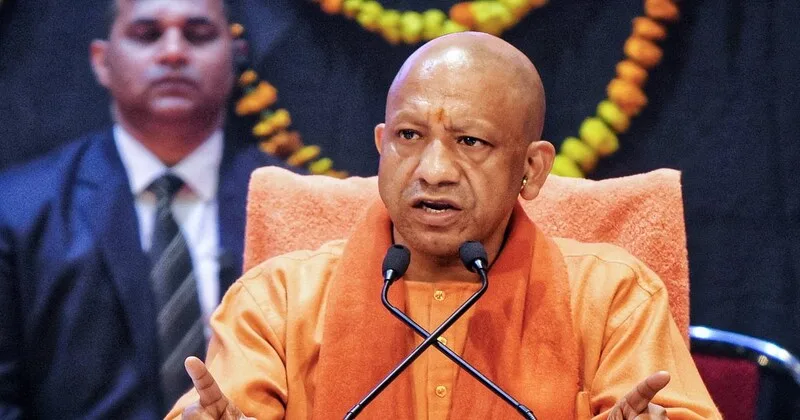
Uttar Pradesh Chief Minister Yogi Adityanath has called upon the people of UP to actively follow the appeal made by Prime Minister Narendra Modi. CM Yogi urged citizens to reduce fuel consumption, avoid unnecessary purchases of gold, and adopt a more responsible and self-reliant lifestyle in view of prevailing global uncertainties. He made his appeal during a high-level review meeting, which was attended by senior officials, including the Chief Secretary, Director General of Police, and Additional Chief Secretaries and Principal Secretaries of various departments. The agenda of the meeting was to implement practical measures across sectors to ensure efficient use of resources along with public participation.
The Chief Minister said that both the government and people must act responsibly during uncertain global conditions. He added that saving fuel is important not just for the economy, but also for protecting the environment.
In a directive, the Chief Minister Yogi has ordered an immediate 50 per cent reduction in the official vehicle fleet used by the Chief Minister, ministers, and other dignitaries. He instructed officials to remove non-essential vehicles from convoys and set an example of efficiency in governance.
UP CM Yogi also supported work from home, especially in jobs where office presence is not necessary. He asked the Industrial Development Department and the Uttar Pradesh Industrial Infrastructure Development Corporation to encourage industries and startups to follow this. The Uttar Pradesh government may also issue an advisory asking large organisations to allow work from home for at least two days a week.
To complement these efforts, CM Yogi also stressed the importance of conducting government meetings, seminars, conferences, and workshops through virtual platforms. He directed that at least 50 per cent of internal meetings in the state secretariat and directorates should be held online to minimise travel and fuel usage.
The government is also planning to introduce different office timings to reduce congestion and save fuel during peak hours. Offices may run in shifts so that traffic is spread out during the day. Encouraging eco-friendly travel, the CM yogi has asked people to use public transport more, such as metro services, buses, and shared vehicles. He emphasised the important role of the Uttar Pradesh State Road Transport Corporation in ensuring easy and efficient bus services across the state. Public representatives, including ministers, Members of Parliament, and Members of the Legislative Assembly, have been advised to use public transport at least once a week. The Chief Minister also proposed the introduction of a weekly “No Vehicle Day” to encourage widespread public participation, including government employees, students, and civil society. The Chief Minister also encouraged people to adopt eco-friendly options like cycling, carpooling, and using electric vehicles. In the metro cities of UP, people should use them more. He also directed officials to improve public transport on busy routes.
Energy conservation was another key focus area of the meeting. The Chief Minister appealed to citizens to avoid unnecessary electricity usage in homes, government buildings, and commercial establishments. He directed that decorative lighting in private establishments and commercial complexes should be minimised after 10 pm.
Moreover, to boost the local economy and reduce foreign dependency, Chief Minister Yogi has urged citizens to avoid non-essential foreign travel for the next six months. Instead, he encouraged people to explore domestic destinations, particularly within Uttar Pradesh, which offers a wide range of heritage, cultural, and eco-tourism sites.
He announced plans to launch a “Visit My State” campaign to promote tourism sectors such as wellness, rural tourism, wildlife, and local cuisine. UP’s ‘One District, One Cuisine’ initiative will also be used to showcase regional dishes. He also urged promoting destination weddings within the state. Wedding planners and citizens should consider domestic locations to support the local tourism industry.
For self-reliance, the Chief Minister appealed to citizens to prioritise the use of locally manufactured products, including handicrafts and goods produced by self-help groups and local entrepreneurs. Government departments have been directed to use ODOP (One District One Product) and GI-tagged products as official gifts, further promoting indigenous industries.
On the health front, the Chief Minister advised citizens to reduce the consumption of edible oil, linking it to better health outcomes, household savings, and reduced import dependency. The Health Department will organise awareness campaigns and nutrition camps across schools, colleges, hospitals, and other institutions. Administrative officials at the local level have been directed to engage with stakeholders such as hotel associations, restaurant owners, and street food vendors to promote low-oil food options.
In the agriculture sector, the Chief Minister instructed the Agriculture Department to promote natural farming practices and ensure better utilisation of cattle resources. He highlighted that the shelter is a home for a large number of cattle, and their by-products can be effectively used in farming.
The need to expand PNG (Piped Natural Gas) infrastructure across the state in mission mode was also discussed. Increasing PNG connections will help reduce reliance on conventional fuels and promote cleaner energy usage. Additionally, he encouraged citizens to adopt rooftop solar systems under the PM Surya Ghar Muft Bijli Yojana to provide affordable and sustainable electricity solutions.
Addressing the concerns related to gold purchases, the Chief Minister advised citizens to avoid unnecessary buying of gold. The administration has been directed to engage with jewellers’ associations and traders to address any concerns and ensure smooth implementation of the advisory. By aligning state-level initiatives with national priorities, the Uttar Pradesh government under CM Yogi’s leadership will address global challenges through localised, practical solutions.