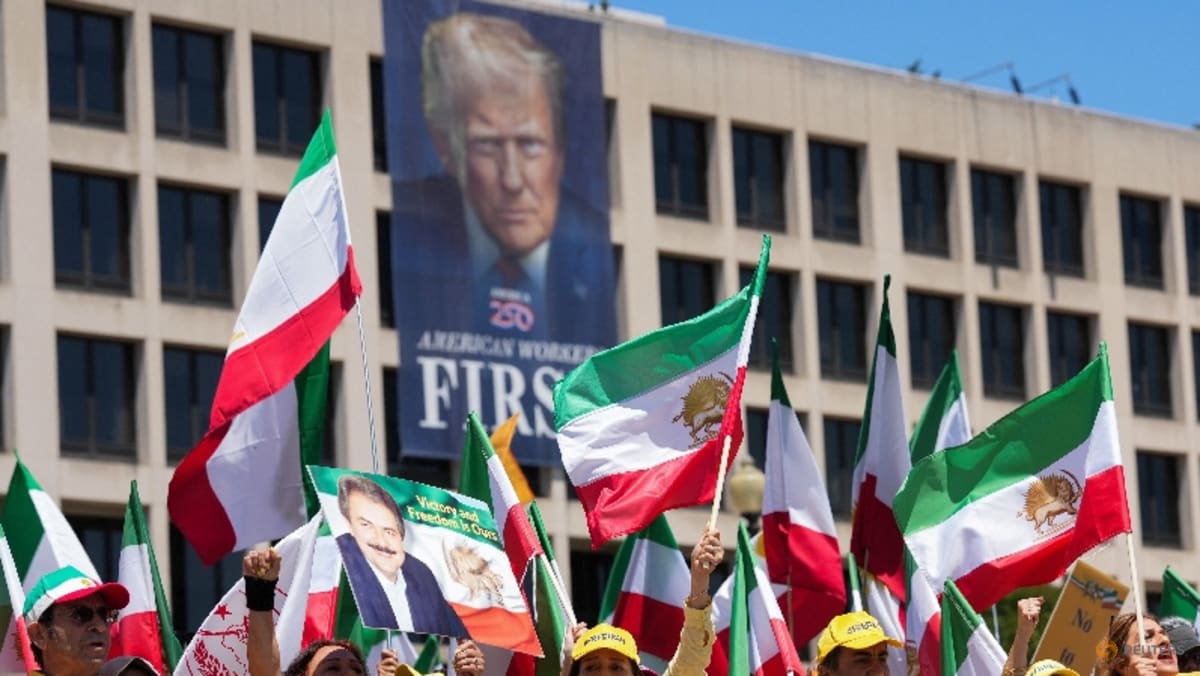
United States President Donald Trump’s shifting signals on negotiations with Iran may reflect political pressure and unresolved disagreements, even as talks continue, analysts say.
After announcing on Saturday (May 23) that Washington and Tehran had “largely negotiated” a memorandum of understanding on a peace deal, Trump said a day later that he had instructed US negotiators not to “rush into any deal” with Iran.
The proposed agreement reportedly includes reopening the Strait of Hormuz – a key global shipping route for oil and liquefied natural gas – while also addressing Iran’s nuclear programme and the release of frozen Iranian assets.
Despite Trump’s apparent backtrack, analysts told CNA that both sides appear closer to a deal than in previous weeks, though major obstacles remain.
TRUMP UNDER PRESSURE
Analysts say Trump appears to be facing pressure from hardliners within his own political camp, including Iran hawks in Washington and allies of Israel, who support a tougher approach towards Tehran.
They suggested this may explain Trump’s mixed messaging about the talks, even as an agreement appeared in sight.
Mouin Rabbani, non-resident senior fellow at the Middle East Council on Global Affairs, a Doha-based think-tank, said the White House had come under “sustained pressure from the war party”, warning that the situation remained highly volatile.
“We’re either in the last few yards before we reach a framework agreement that opens the way to negotiations, or we’re on the cusp of a new round of escalation and military confrontation,” he told CNA938.