
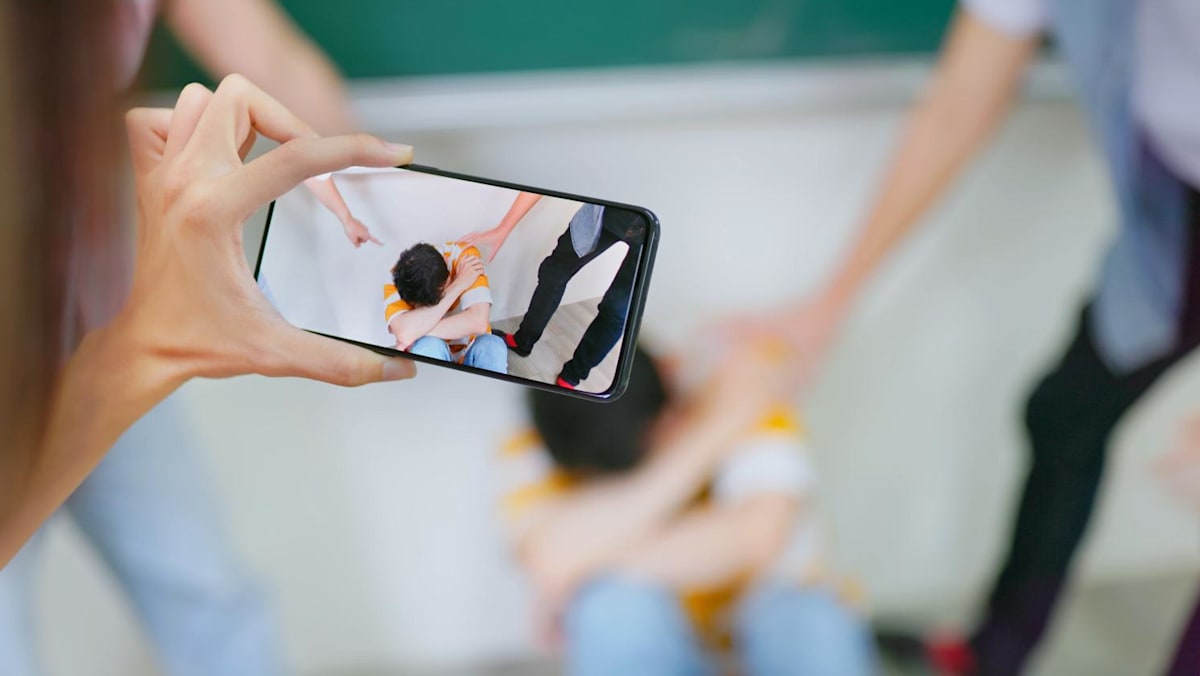
The Ministry of Education’s recent disciplinary guidelines, including caning for serious and repeat offences like vaping and bullying, have struck a nerve with me.
Full disclosure: I’m Gen X. I grew up with the cane – at home and in school. It was feared and sometimes, deserved. The cane’s effect was swift and painful. You did not forget it, and you also didn’t repeat the mistake – at least not in the same way.
It took me years to discern the difference and now, as a parent, it’s clear to me: Stopping behaviour is not the same as changing it.
To me, the cane taught compliance. It stopped the “bad” behaviour immediately. It taught me that authority had the final word. On the flipside, it also taught me how not to get caught.
My friend, Elena Ng, 46, shared how boys in her school who were disciplined by the cane got more creative instead – like smoking in secret spots or picking fights off campus.
“Sure, the caning stopped them that week,” she said. “But they just got sneakier.”
And that is the problem. Caning gets you immediate obedience, but it doesn’t produce accountability for the action.
It also skips this deeper understanding that we want from discipline: awareness of harm, ownership of actions, repairing skills and empathy.
And that gap matters more now than before. Because today, bullying has changed. It is not limited to fights or name-calling. It can be social exclusion, harassment, online doxxing and like the 2024 case at Singapore Sports School, the sharing of humiliating fake pictures.