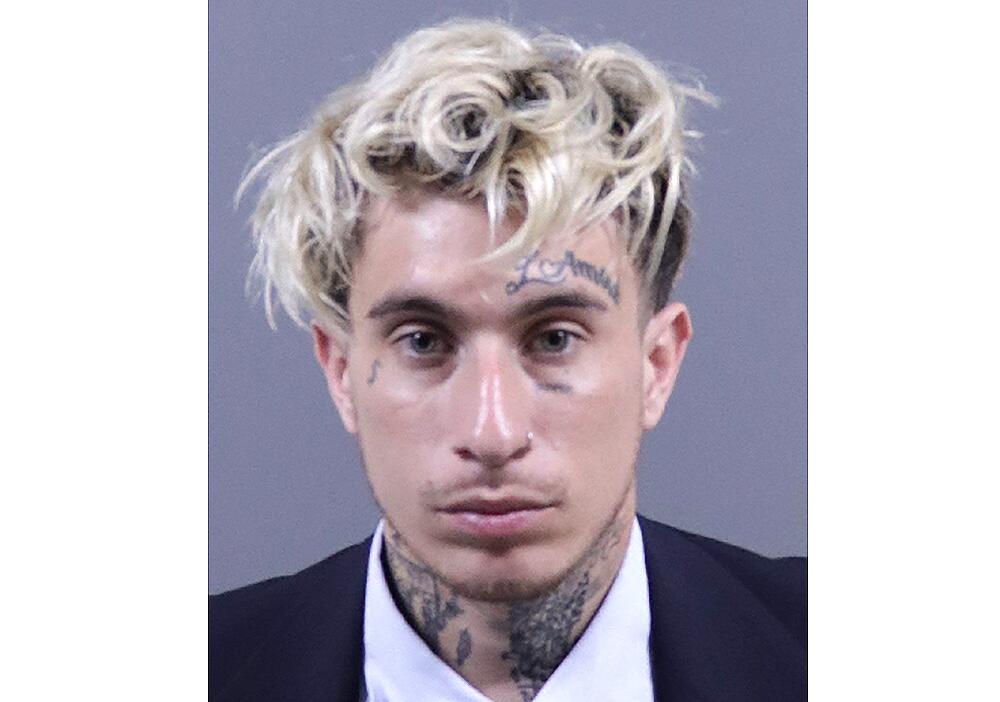
Hyderabad: Serious concerns are being raised after alleged photos and videos linked to a minor girl in the POCSO case involving the son of Union Minister Bandi Sanjay reportedly began circulating widely across social media platforms, including Instagram, X, WhatsApp, and Telegram.
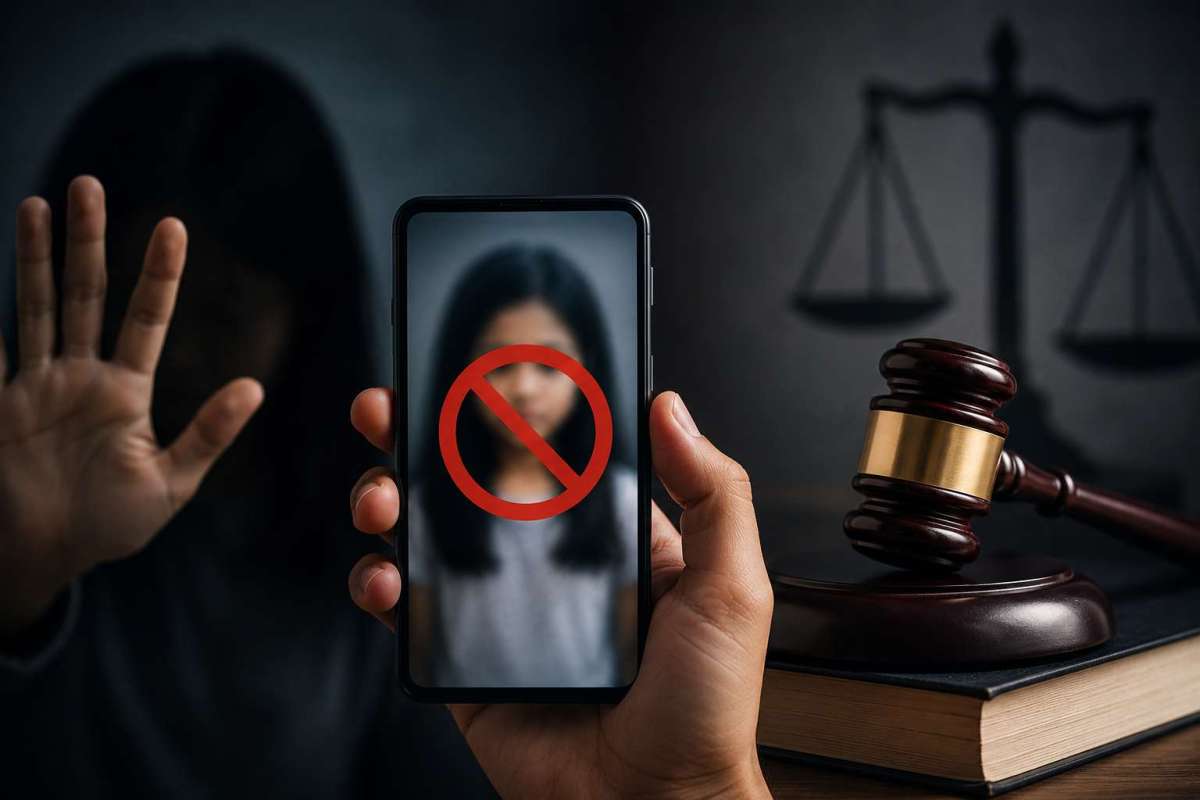
Legal experts, child rights activists, and political leaders have warned that sharing, reposting, downloading, or forwarding any identifying material related to a minor involved in a sexual offence case is a serious criminal offence under Indian law.
Several social media users alleged that some influencer accounts and political pages circulated uncensored visuals and personal details connected to the minor, triggering widespread outrage online.
BRS Issues Warning Over Viral Content
The issue escalated further after leaders and supporters linked to the Bharat Rashtra Samithi (BRS) publicly warned social media users against sharing photos or videos related to the case.
A widely circulated message on social media stated:
“Warning to everyone sharing videos and photos of the affected minor girl. We are collecting details of all your accounts. These details are being provided to the DGP and the court. Once you get caught in a POCSO case, no leader can save you.”
The warning quickly went viral and reignited public discussion around digital responsibility and legal consequences under the POCSO Act.
Identity of Minor Victim Cannot Be Revealed
Under Indian law, the identity of a minor involved in a POCSO (Protection of Children from Sexual Offences) Act case cannot be disclosed under any circumstances.
This includes:
- Photos
- Videos
- Name of the victim
- Family details
- School or college information
- Address or location clues
- Social media profiles
- Any identifiable visuals
Legal experts say even indirect identification of a minor victim can amount to a punishable offence.
What Laws Apply?
Publishing or circulating identifying material of minors in sexual offence cases can attract action under multiple laws including:
- POCSO Act Section 23 – Prohibits revealing the identity of child victims
- POCSO Act Section 11 – Sexual harassment through electronic media
- Section 66E of the IT Act – Violation of privacy through electronic circulation
- Bharatiya Nyaya Sanhita (BNS) provisions
- Juvenile Justice protections
Legal experts note that violations may lead to:
- Criminal FIRs
- Arrest and prosecution
- Cybercrime investigation
- Social media account suspension
- Court proceedings
- Imprisonment and fines
Influencers and Social Media Pages Under Scrutiny
Child rights activists have urged influencers, meme pages, digital creators, and online news aggregators to immediately remove any uncensored visuals or identifying information.
Cyber law experts stressed that:
- “Viral content” does not make sharing legal
- Forwarding illegal content can itself attract punishment
- Deleting posts later may not erase liability
- Screenshots and repost records can still be used as evidence
Officials and activists have warned that social media users often underestimate the seriousness of POCSO-related violations online.
Psychological Harm to Minors
Child welfare organisations also warned that circulation of such material can cause severe emotional and psychological trauma to minors and their families.
Experts say identity protection laws exist to:
- Protect dignity of child victims
- Prevent harassment and bullying
- Avoid permanent digital exposure
- Protect future rehabilitation
- Prevent online targeting and abuse
Calls for Immediate Cybercrime Action
Following the viral circulation of alleged visuals online, many users demanded stricter cybercrime enforcement and immediate action against accounts sharing uncensored content.
Cyber law experts advised the public to:
- Not forward or repost such content
- Delete downloaded media immediately
- Report offending accounts to social media platforms
- Cooperate with cybercrime authorities if contacted
Authorities are expected to closely monitor social media activity related to the case, especially pages circulating uncensored visuals or identifiable information connected to the minor girl.
Legal experts reiterated that protection of minors is not optional under Indian law, and ignorance of the law cannot be used as a defence in POCSO-related violations.