
Wearable technology has moved far beyond fitness tracking and phone notifications. Meta is now highlighting how the Meta AI glasses are helping people with disabilities manage daily tasks with greater independence.
According to Meta, its AI wearables can help users make hands-free calls, send messages, translate speech, describe surroundings, read text, capture photos and videos, and connect with assistance services. The company says these features are already being used by blind and low-vision users, people with mobility disabilities, and veterans who need support in everyday situations.
Meta AI Glasses and Accessibility
Meta’s wearable devices are designed around voice interaction and hands-free support. This makes them especially useful for people who cannot easily use a smartphone or traditional touch-based device.
For example, people with limited mobility can use voice commands to take photos, answer calls, or control communication apps. Blind and low-vision users can use AI-powered descriptions, text reading, and visual assistance services to better understand their surroundings.
| Accessibility Area | How Meta AI Glasses Can Help |
|---|---|
| Blind and low-vision support | Describe surroundings, read text, locate objects |
| Mobility support | Voice commands for calls, messages, photos, and videos |
| Communication | Hands-free calling and messaging |
| Navigation support | Assistance through AI and third-party apps |
| Daily independence | Less need to rely on a phone or touch controls |

Meta has also partnered with the Blinded Veterans Association to create a training guide for blind and low-vision individuals. The guide explains how to activate voice commands, read documents, and answer phone calls using Meta AI glasses.
Real-Life Impact for Disabled Users
Meta shared the example of Noah Currier, a Marine Corps veteran with quadriplegia and founder of the Oscar Mike Foundation. He uses Ray-Ban Meta glasses to capture photos and videos entirely by voice.
For people with severe mobility limitations, this kind of hands-free control can make everyday experiences more accessible. Instead of depending on another person to take a photo or record a moment, users can do it through simple voice commands.
Meta also highlighted Donald Overton, a US Army veteran who lost his sight in Iraq. He uses Meta AI glasses to navigate airports, read menus, and move through daily life with fewer assistive devices.
New Features on Meta AI Glasses
Meta has rolled out new features for Ray-Ban Meta and Meta Ray-Ban Display smart glasses. These updates are designed to make the glasses more useful without requiring users to reach for their phone or tap the frame.
| New Feature | What It Does |
|---|---|
| Be My Eyes group calling | Starts hands-free video calls with trusted contacts |
| Service Directory | Connects users with trained support teams from brands |
| Voice controls during calls | Lets users mute, unmute, turn video on/off, or hang up by voice |
| One-touch shortcuts | Customizes the action button for frequently used features |
| Real-time captions | Shows call captions on Meta Ray-Ban Display glasses |
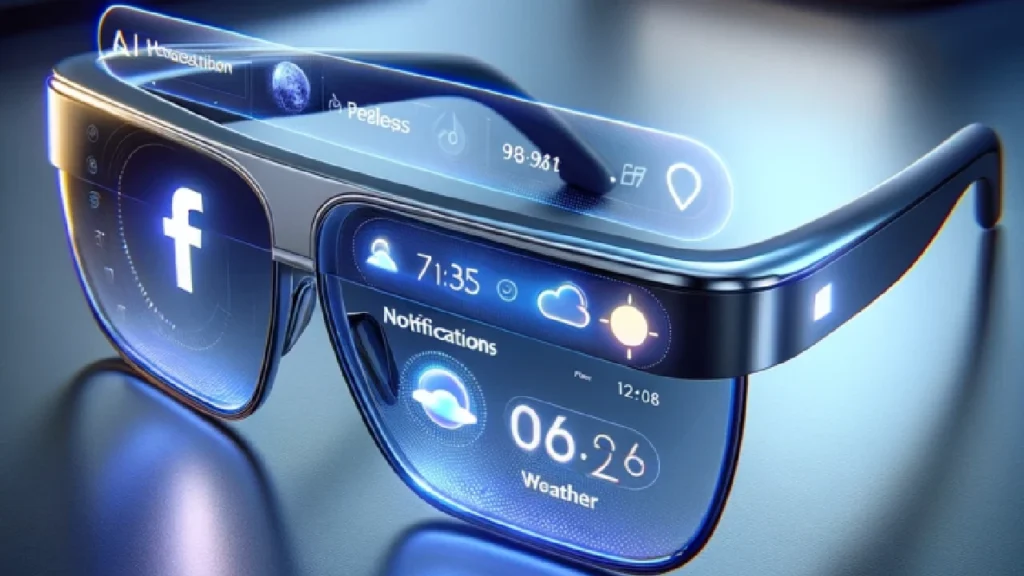
The Be My Eyes integration is especially important for blind and low-vision users. It allows them to connect with trusted friends, family members, or trained support representatives from companies such as Tesco, Sony, Amtrak, and Hilton for visual assistance.
Third-Party Apps Expand the Use Case
Meta’s Wearables Device Access Toolkit gives developers resources to build third-party apps for AI glasses. These apps can extend the glasses’ usefulness for disabled users.
| App / Technology | Purpose |
|---|---|
| OOrion | Helps blind and low-vision users find items, read text, detect obstacles, and understand surroundings |
| Aira | Connects users with trained Visual Interpreters for real-time assistance |
| Meta Neural Band | Uses muscle signals to support digital interaction |
OOrion uses real-time, hands-free AI assistance to help users locate objects and understand their environment. Aira connects blind and low-vision individuals with Visual Interpreters, allowing them to receive real-time visual information while keeping both hands free.
Meta Neural Band and EMG Research
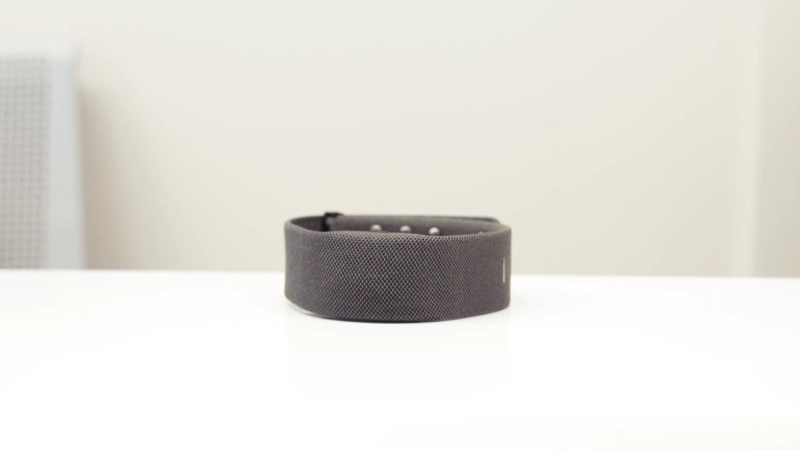
Meta is also working with Carnegie Mellon University on electromyography, or EMG, technology. This is the technology behind the Meta Neural Band used with Meta Ray-Ban Display glasses.
According to Meta, the neural band can detect subtle muscle signals in the forearm and turn them into digital actions such as clicking, scrolling, or steering in a video game. This research could become important for people with spinal cord injuries who need more flexible ways to interact with digital devices.

Final Thoughts
Meta AI glasses show how wearable technology can become more than a convenience product. For disabled users, features like voice control, real-time captions, visual assistance, object recognition, and hands-free communication can support daily independence.
The biggest value of these glasses is not just their AI branding. It is the way they combine AI, accessibility, and practical design into tools that can be used in real-life situations. As more third-party apps become available, Meta’s AI wearables could become even more useful for blind, low-vision, and mobility-impaired users.