
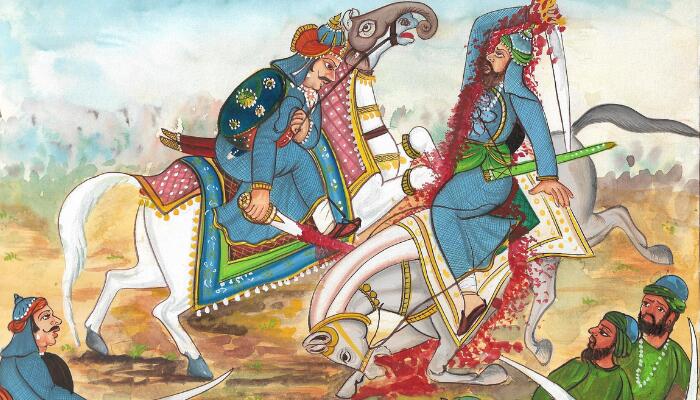
India is celebrating Maharana Pratap Jayanti with nationwide tributes. Prime Minister Narendra Modi led the remembrance and paid homage to the Mewar ruler. He described Maharana Pratap as an immortal symbol of valour and dignity. He explained how the king devoted his life to protecting the honour of his motherland. He also stated that Pratap’s legacy continues to inspire patriotism across generations.
Meanwhile, Union Home Minister Amit Shah called him a timeless symbol of courage, self-respect, and national devotion. Uttar Pradesh Chief Minister Yogi Adityanath, Maharashtra Chief Minister Devendra Fadnavis, and Union Minister Nitin Gadkari also joined the national tributes.
A Date Rooted in Tradition and Historical Memory
Maharana Pratap Jayanti 2026 falls on June 17. It marks the 486th birth anniversary of Maharana Pratap Singh I of Mewar. Historical records place his birth on May 9, 1540, at Kumbhalgarh Fort in present-day Rajasthan.
However, communities observe the day according to the Hindu lunar calendar. This leads to a shift in dates every year. Many regions also maintain dual observance of both the traditional and historical dates.
Across Rajasthan and several other states, people organised cultural programmes and processions. These events reflected strong public reverence for Maharana Pratap’s legacy.
The Hindu King Who Refused to Submit
Maharana Pratap, the eldest son of Maharana Udai Singh II and Maharani Jaiwanta Bai, ascended the throne of Mewar in 1572.
From the outset, he rejected Mughal authority under Emperor Akbar. This decision placed him at the centre of one of medieval India’s most defining resistance narratives.
The Battle of Haldighati took place in 1576. Mughal forces under Raja Man Singh engaged Maharana Pratap’s army. Despite being outnumbered, he refused surrender.
Instead, he adopted guerrilla warfare in the Aravalli hills. His forces continued resistance operations from difficult terrain. He spent years in forests with his family under extreme hardship, yet never compromised on sovereignty. Over time, he regained significant territories of Mewar through sustained struggle.
Symbol of Sacrifice and Endurance
Historical accounts continue to highlight his loyal horse Chetak. Chetak is remembered for saving him during battle, and this story remains central to his legacy.
Maharana Pratap died on January 19, 1597, after sustaining injuries in a hunting accident. His passing ended his reign, but it strengthened his symbolic place in Indian historical memory.
Today, he stands remembered as a figure of resilience, discipline, and uncompromising self-respect.
Cultural and Traditional Significance
Maharana Pratap Jayanti is observed through both historical remembrance and cultural traditions. The celebration follows the Hindu lunar calendar, which keeps it closely tied to India’s Panchang-based system of marking significant dates.
In Rajasthan and other regions, communities organise processions, gatherings, and remembrance programmes. These events show how his legacy continues to live within cultural practice rather than remaining confined to historical texts.
At a broader level, the observance reflects how Indian tradition preserves historical memory through public participation, storytelling, and regional identity.
Why Maharana Pratap Still Matters Today?
In contemporary India, Maharana Pratap’s legacy continues to resonate beyond historical study. His life represents leadership rooted in conviction rather than convenience.
For young people, his story delivers clear lessons. It highlights resilience in adversity. It reinforces discipline during struggle. It also emphasises the importance of standing firm on principles even under pressure.
Strength, his life suggests, does not depend solely on resources. It depends on determination and clarity of purpose. In a fast-changing world, that message retains relevance.
Overall, Maharana Pratap remains more than a historical figure. He continues to serve as a reference point for courage, identity, and self-respect in India’s collective memory.