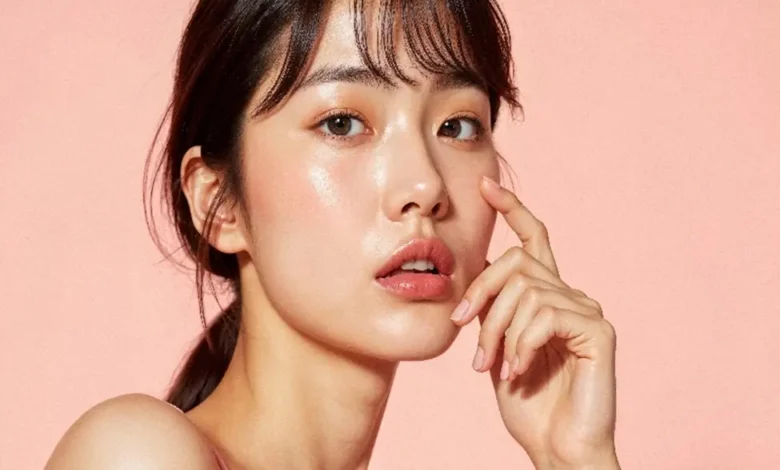
K-beauty’s rise is no longer a quiet industry shift it’s a global takeover reshaping how the world approaches skincare and beauty.
What was once seen as a niche category has become a defining force in the cosmetics industry, driven by innovation, accessibility, and a fresh philosophy that prioritizes skin health over heavy coverage.
From viral “glass skin” routines to multi-step regimens, Korean beauty has captured attention far beyond its origins.
Once considered niche, K-beauty has now cemented itself as a powerhouse in the global cosmetics industry. In 2025, Korean skincare and makeup didn’t just trend they dominated.
Retailers like Ultra Beauty and Sephora expanded their Korean offerings significantly, while South Korea’s leading beauty retailer Olive Young prepares to step into the U.S. with its first physical store.
Behind this surge is a perfect storm of innovation, accessibility, and digital influence.
K-beauty’s emphasis on glowing skin, layered routines, and gentle ingredients aligns perfectly with Gen Z’s preference for authenticity and self-care. But what truly accelerated its rise?
Social media platforms like TikTok, Instagram have transformed everyday users into beauty influencers overnight.
Viral routines, glass-skin tutorials, and product reviews have turned Korean brands into household names across continents.
Gen Z doesn’t just consume K-beauty they remix it, personalize it, and share it daily, turning skincare into a cultural conversation.

Industry leaders agree this is just the beginning. With increased awareness, education, and retail investment, K-beauty is expanding into new categories and reaching wider audiences in 2026 recent year.
It’s no longer about following trends it’s about setting them.
Gen Z’s connection to K-beauty goes deeper than aesthetics. It reflects their values: transparency, inclusivity, and wellness. They’re drawn to:
• Ingredient-focused skincare
• Affordable luxury
• Playful yet effective routines
• A culture that celebrates individuality.
K-beauty skincare products stand out for their thoughtful formulations, gentle ingredients, and results-driven approach something that strongly resonates with Gen Z’s focus on long-term skin health.
A great example is the COSRX Advanced Snail 96 Mucin Power Essence, a lightweight essence made with snail mucin that deeply hydrates, repairs damaged skin, and improves elasticity.
Despite its unusual ingredient, it has become a viral favorite on platforms like TikTok because of its visible glow-boosting results and suitability for sensitive skin.
Another standout is the Laneige Water Sleeping Mask, an overnight treatment designed to lock in moisture while you sleep.
Known for its gel-like texture and calming effect, it helps revive dull, tired skin by morning. Products like this reflect K-beauty’s emphasis on hydration as the foundation of good skin, rather than covering imperfections with heavy makeup.
Sunscreen is also a non-negotiable step in Korean skincare, and the Beauty of Joseon Relief Sun Rice + Probiotics SPF50+ has gained global popularity for its lightweight, non-greasy formula
Unlike traditional sunscreens, it blends seamlessly into the skin without leaving a white cast, making daily sun protection more appealing especially for younger users who want comfort and practicality in their routines.
These products highlight why K-beauty continues to dominate: they combine innovation with simplicity, making skincare feel less like a chore and more like a daily ritual.
K-beauty isn’t knocking on the door of the global market anymore it’s already inside, rearranging the furniture.
And with Gen Z leading the charge, this isn’t a passing phase it’s a beauty revolution in motion. The real question isn’t whether K-beauty will last. It’s how far it will go.