
CHINESE TANKERS CROSS STRAIT
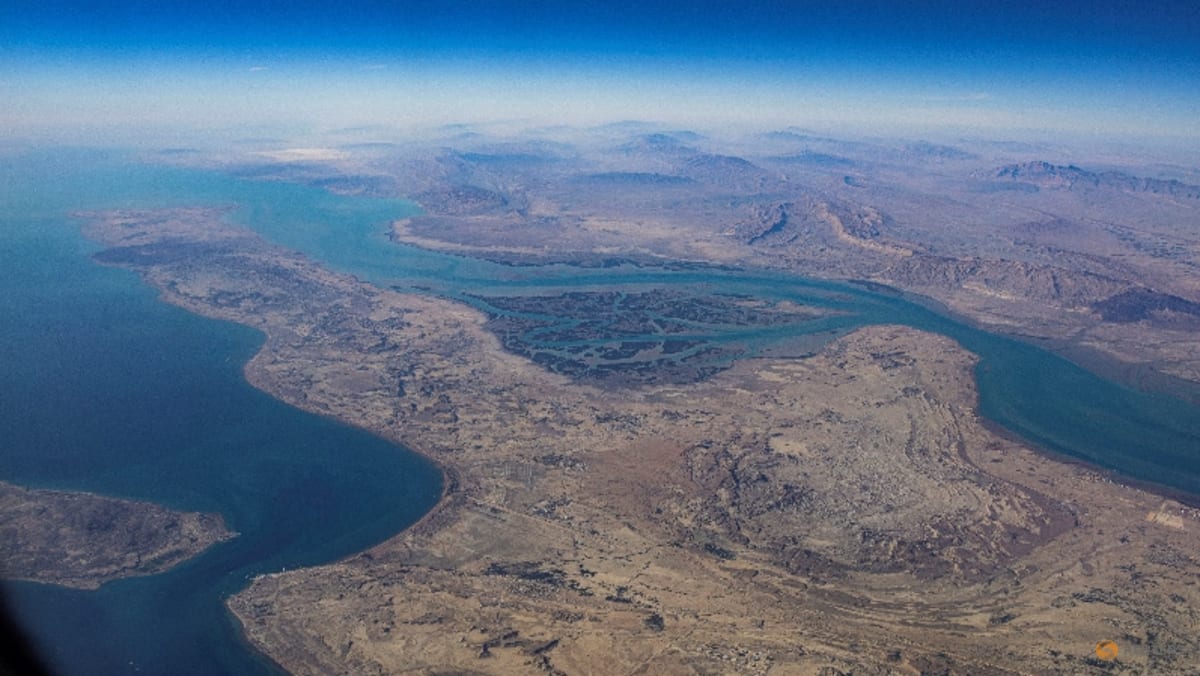
Iran has largely shut the Strait of Hormuz to all ships apart from its own since the US-Israeli attacks began on Feb 28, causing the biggest disruption to global energy supplies in history. The US responded last month with its own blockade of Iran’s ports.
Iran on Wednesday announced a “controlled maritime zone” at the strait and said transit would require authorisation from the newly created authority. It says it aims to reopen the strait to friendly countries that abide by its terms. That could potentially include fees for access, which Washington says would be unacceptable.
Two giant Chinese tankers laden with a total of around 4 million barrels of oil exited the strait on Wednesday. Iran had announced last week, while Trump was in Beijing for a summit, that it had agreed to ease rules for Chinese ships.
South Korea’s foreign minister said on Wednesday a Korean tanker was crossing the strait in cooperation with Iran.
Shipping monitor Lloyd’s List said at least 54 ships had transited the strait last week, about double the previous week. Iran said 26 ships had crossed in the past 24 hours, still only a fraction of the 140 per day before the war.
PRESSURE TO END WAR
Trump is under pressure to end the war, with soaring energy prices hurting his Republican Party ahead of congressional elections in November.
Benchmark one-month Brent crude futures settled at US$105.02 per barrel late on Wednesday, down 5.63 per cent on the day on revived hopes of a deal.
“Investors are keen to gauge whether Washington and Tehran can actually find common ground and reach a peace agreement, with the US stance shifting daily,” said Toshitaka Tazawa, an analyst at Fujitomi Securities.
The US-Israeli bombing killed thousands of people in Iran before it was suspended in a ceasefire in early April. Israel has also killed thousands more and driven hundreds of thousands from their homes in Lebanon, which it invaded in pursuit of the Iran-backed Hezbollah militia. Iranian strikes on Israel and neighbouring Gulf states have killed dozens of people.
Trump and Israeli Prime Minister Benjamin Netanyahu said when they launched the war that their aims were to curb Iran’s support for regional militias, dismantle its nuclear programme, destroy its missile capabilities and make it easier for Iranians to topple their rulers.
But Iran has so far retained its stockpile of near-weapons-grade enriched uranium, and its ability to threaten neighbours with missiles, drones and proxy militias. Its clerical rulers, who put down a mass uprising at the start of the year, have faced no sign of organised opposition since the war began.