What type of insurance should volcano hikers buy?
Hikers exploring active volcanoes should buy comprehensive travel insurance covering trekking and hiking — sometimes available as an add-on under adventure or extreme sports, expedition leaders told CNA.
Such policies are typically classified by maximum elevation, said Mr Vivek Vaidya, founder of Trekkers@Heart. He advises trekkers to choose policies covering the highest elevation tier — usually 6,000m — to ensure adequate coverage across all treks.
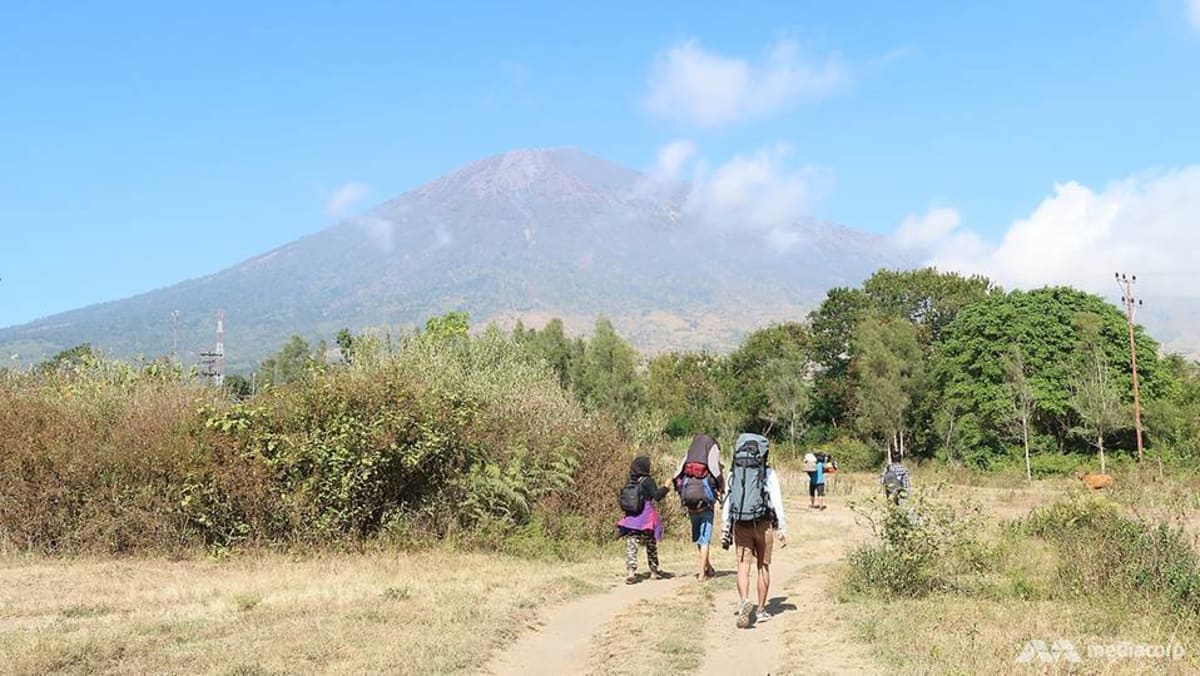
For reference, the highest active volcanoes in Indonesia are Mount Rinjani (3,726m) and Mount Kerinci (3,805m). Mount Dukono has a summit elevation of about 1,335m.
For a three-night trip, add-ons can cost between S$60 (US$47) and S$200, said JTrace founder Jeremy Tong.
“Regardless of whether you’re a casual hiker or you are serious, we recommend that, as long as you’re going to the mountains, you should get adequate coverage, because it’s going to save your family a lot of money,” he said.
Those planning treks above 6,000m may consider Global Rescue, an international membership-based provider of medical, security and evacuation services. Mr Tong said this can cost up to US$1,000 and is typically suited for high-altitude mountain expeditions where rescue access is critical.
Do I still need specialised coverage if I’m visiting a managed volcano park?
It depends on the nature of the trek and how it is conducted.
Coverage differs between a tourist visiting a managed volcano park and an experienced trekker attempting a more remote or demanding route, said Ms Cherie Wang, CEO of insurance planning app Planner Bee.
Insurers define trekking cover differently, with varying altitude limits and activity conditions.
“One important factor is whether the trek takes place in an area that is open to the general public without restriction, or whether it is organised and supervised within recognised safety parameters,” she said.
Under Income Insurance’s policy, trekking is a general exclusion unless it is for leisure purposes below 6,000m, takes place in a publicly accessible location, is organised by a recognised commercial operator or conducted under licensed guides, and follows proper safety procedures.
At FWD, hiking or trekking above 3,000m is a general exclusion.
For DirectAsia, trekking is covered as an add-on for expeditions up to 4,000m, provided they are organised by a licensed operator and conducted with a licensed guide throughout.