Pakistan’s dairy industry and food security experts are calling for a significant reduction in General Sales Tax (GST) on milk, citing a 27 percent decline in the formal sector since the tax was implemented.
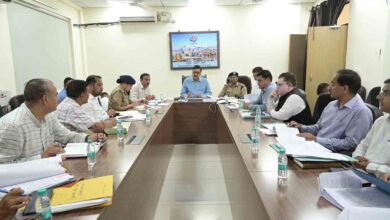
During a pre-budget consultation held by the Sustainable Development Policy Institute (SDPI) and the Pakistan Dairy Association (PDA), stakeholders warned that the current 18 percent GST is hindering child development and crippling the formal dairy economy.
Minister for National Food Security and Research Rana Tanveer Hussain stated that reducing the tax is not a difficult task and urged tax rationalisation.
He noted that the livestock sector accounts for nearly 60 percent of agriculture and holds potential for both domestic nutrition and exports. Hussain acknowledged that current taxation policies have hampered production and suggested that a “softening of the tax regime” would lead to an increase in both output and national revenue.
The minister also confirmed that the government is evaluating proposals for safe milk cities and pasteurisation pilot projects. According to Hussain, formalising the dairy sector and improving milk quality are now primary government priorities.
Pakistan Dairy Association Chairman Usman Zaheer Ahmad highlighted the human cost of the current pricing.
He noted that 40 percent of Pakistani children suffer from stunting due to malnutrition, even though milk is the most consumed animal protein in the country. Ahmad reported that the 18 percent GST imposed in 2024 caused a 27 percent drop in the formal dairy sector.
He proposed a GST reduction to 10 percent, arguing that bringing the informal economy into the tax net could generate up to Rs250 billion in revenue. Currently, 98 percent of the sector remains informal with no quality controls.
Global Alliance for Improved Nutrition (GAIN) Country Director Farrah Naz advocated for an even deeper cut, suggesting a GST rate of five percent.
She stated that malnutrition costs Pakistan roughly three percent of its GDP annually, with over 40 percent of children under the age of five being stunted.
Naz called for the strengthening of formal dairy systems and an expansion of processing capacity to utilize by-products.