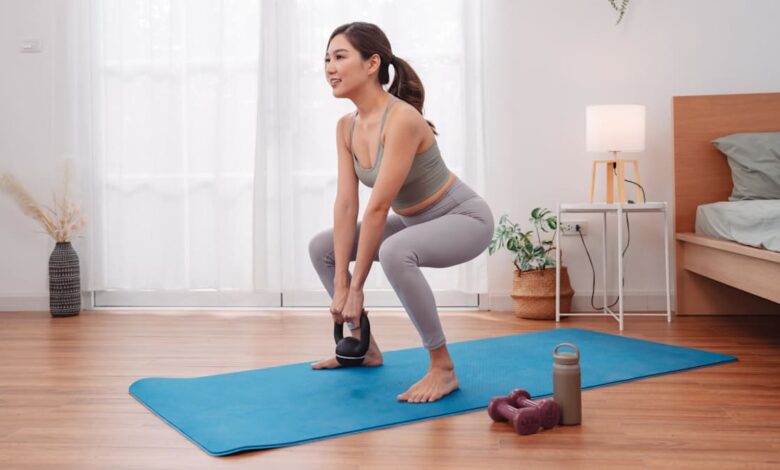
I am convinced that we are living in the age of the posterior. And by that, I am referring to the current obsession that people have with their buttocks – specifically, attempts to achieve the round, juicy rear popularised by the Kardashians, booty-boosting legging brands and influencers deadlifting their ways to more followers.
If you’re wondering why there’s now a wait for the hip-thrust machine at the gym, the increased interest in gluteal workouts might be reflecting changing ideas about health, beauty and identity, said Choo Jia Yi, a senior physiotherapist with National University Hospital’s Department of Rehabilitation. “There may be a change in preference for strong and athletic looks,” she said.
The shift shouldn’t be gender-specific either. Long before the pivot in aesthetics, Choo added, physiotherapists, trainers and health professionals have long emphasised the glutes’ roles in posture, lower-limb alignment and back health – attributes you don’t have to be female to covet.
There’s also the performance side, said Benson Poh, the founder and a personal trainer at Vigeo Personal Training. “Strength and conditioning coaches have always understood that the glutes are central to power output, force transfer, and athletic movement. Sprinting, jumping, changing direction does not work well without strong glutes.”
Even if you have no wish to build a better booty to pad up your jeans, there are some very good reasons for paying attention to your rear: knee pain and lower back aches. Find out how.
HOW DOES A WEAK REAR CAUSE KNEE AND BACK PAIN?
The gluteal muscles – consisting mainly of the gluteus maximus, gluteus medius and gluteus minimus – account for around 16 per cent to 18 per cent of your total skeletal muscle mass, said Choo. Together, they play some very important mobility functions.
“Strong gluteal muscles are essential for stable, pain‑free and efficient movement,” she said. “They support posture, protect the knees and lower back, and power everyday activities like walking and climbing stairs.”
For example, the glutes are responsible for preventing your knees from rolling inwards as you walk, squat or climb the stairs. When your glutes are weak and cannot control the inward roll, extra stress is placed on the kneecap and surrounding tissues, said Choo. Over time, this is what leads to knee pain.
Poor glute activation can just as well mess up the hip. When the hip joints are not evenly activated or loaded, smaller stabilising muscles in the hip have to work overtime, which can progressively irritate the tendons or joint structures, Choo warned.