
Iran and the United States were at an impasse again Monday over how to end their war while their ceasefire grew increasingly shaky, with the two sides exchanging fire in recent days, ships and Gulf states being targeted, and fighting flaring between Israel and the Lebanese militant group Hezbollah.

The volatility could tip the Middle East back into open warfare and prolong the worldwide energy crisis sparked by the conflict, with Iran’s chokehold on the Strait of Hormuz and America’s blockade of Iranian ports still in place. U.S. President Donald Trump is expected to use a trip this week to China to urge Chinese President Xi Jinping to pressure Iran into making concessions and end the limbo. Beijing is the biggest buyer of the Islamic Republic’s sanctioned crude oil, giving it leverage.
But getting to any deal likely remains tough work. Iran insists it wants to see the American blockade end and sanctions lifted before beginning negotiations over its stockpile of highly enriched uranium. The U.S. — and Israel — want that material removed since it could be used to eventually build a bomb, should Iran choose to do so. Tehran insists its program is peaceful, but it has enriched uranium beyond the levels needed for civilian power generation.
Israel insists enriched uranium must be taken out of Iran
Trump said Sunday that Iran’s response to his latest proposal was “TOTALLY UNACCEPTABLE!” Ending the U.S. blockade before discussing Iran’s nuclear program would eliminate a major point of leverage.
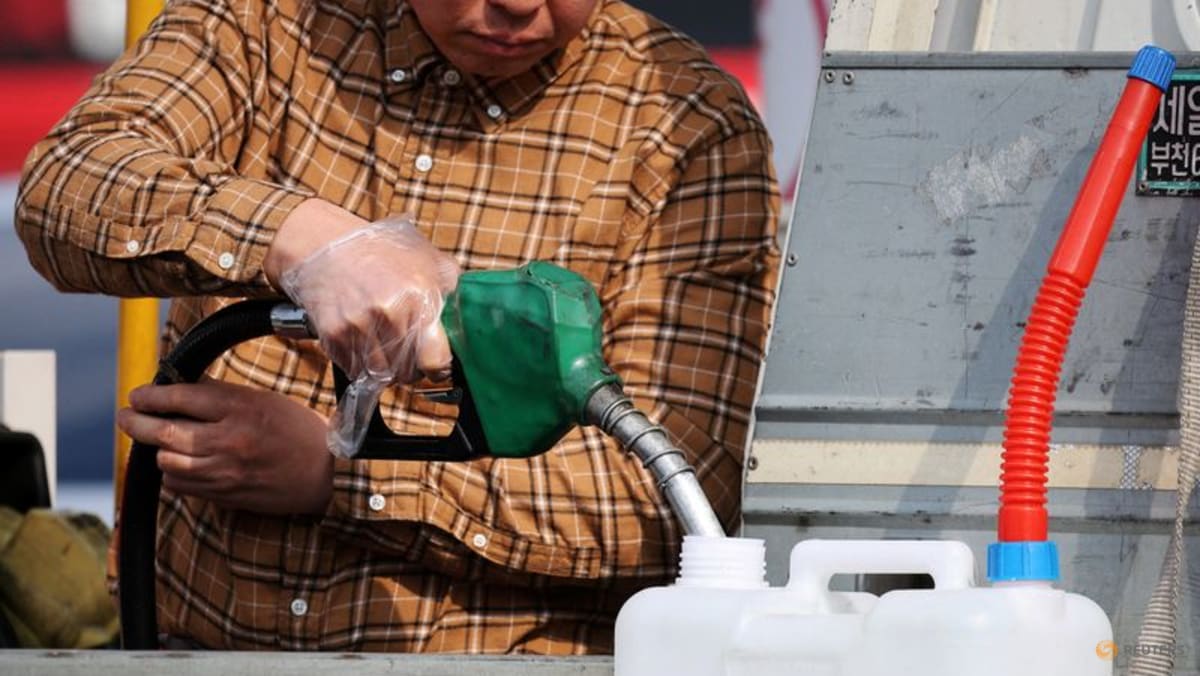
In the meantime, the standoff over the strait, a key transit point for the world’s oil and natural gas exports, has sent fuel prices skyrocketing and rattled world markets.
Israeli Prime Minister Benjamin Netanyahu, who launched the war with Trump on Feb. 28, insisted that the conflict was “not over,” telling CBS’ “60 Minutes” in an interview that aired Sunday that a critical goal is getting the nuclear material out of Iran. If that can’t be accomplished with negotiations, Netanyahu said that Israel and the U.S. agree “we can reengage them militarily.”

Netanyahu also said the current Iranian government’s “days are numbered — but it could take a lot of days.”
The U.S. and Israel have killed dozens of high-ranking Iranian officials, including the country’s supreme leader in the opening salvos of the war, and the conflict has inflicted heavy damage to Iran’s economy, but its theocracy maintains its grip on power.