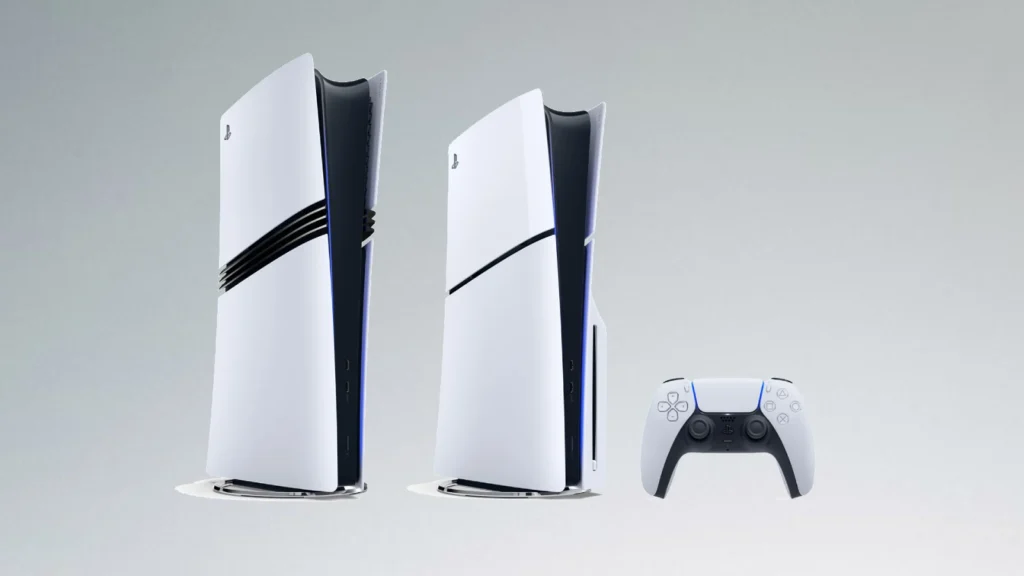
A 20-year-old student sits cross-legged on his bed, squinting at a flickering handheld screen. His flat mate across the room commands a raid on a high-end gaming PC which displays RGB lights that pulse in unison with his triumphs.
Their neighbor’s family assembles in the next apartment to play football on an old video game system which they use to take turns until they finish the match in laughter. The same city shows different costs to use different devices.
The argument, with Console vs PC vs Handheld has aged like the platforms themselves. But today, it’s not just about graphics or specs. It’s about how money, space, and time bend the shape of play.
The question might not be “which runs faster,” but rather: which fits into an ordinary life without eating into it?
What Console vs PC vs Handheld Really Is — Without the Buzzwords
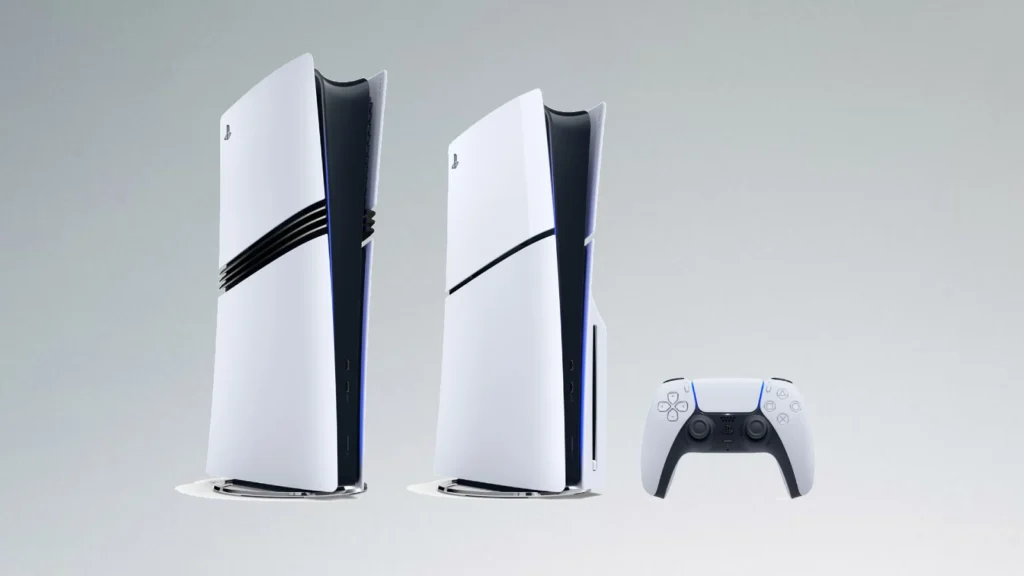
At its core, this debate is about ecosystems. Consoles promise plug-and-play simplicity: turn it on, grab the controller, start playing. PCs whisper about infinite customization and the raw thrill of performance tuning.
Handhelds, meanwhile, sell you freedom, the power to play when you’re not supposed to. Stripped of marketing fluff, it’s really three models for how people spend their downtime. Consoles rely on closed gardens; they’re built for consistency and comfort. PCs thrive on openness and the chase for better specs. Handhelds live off the idea that gaming doesn’t have to stop when you leave your desk.
So what are we really benchmarking? It isn’t frame rate anymore. It’s a lifestyle. What’s the platform that bends most naturally to how we actually live, not how brands say we should?
Where It Actually Shows Up in Daily Life
You start noticing patterns once you watch how people play. In many middle-class homes, a console sits like furniture, with a familiar, almost ceremonial object that sparks activity only on weekends. It’s there to be shared, not optimized.
Students, though, lean toward PCs. Not just for gaming, but because it doubles as a workhorse: assignments one minute, Apex Legends the next. The cost feels easier to justify because the line between “tool” and “toy” blurs conveniently.
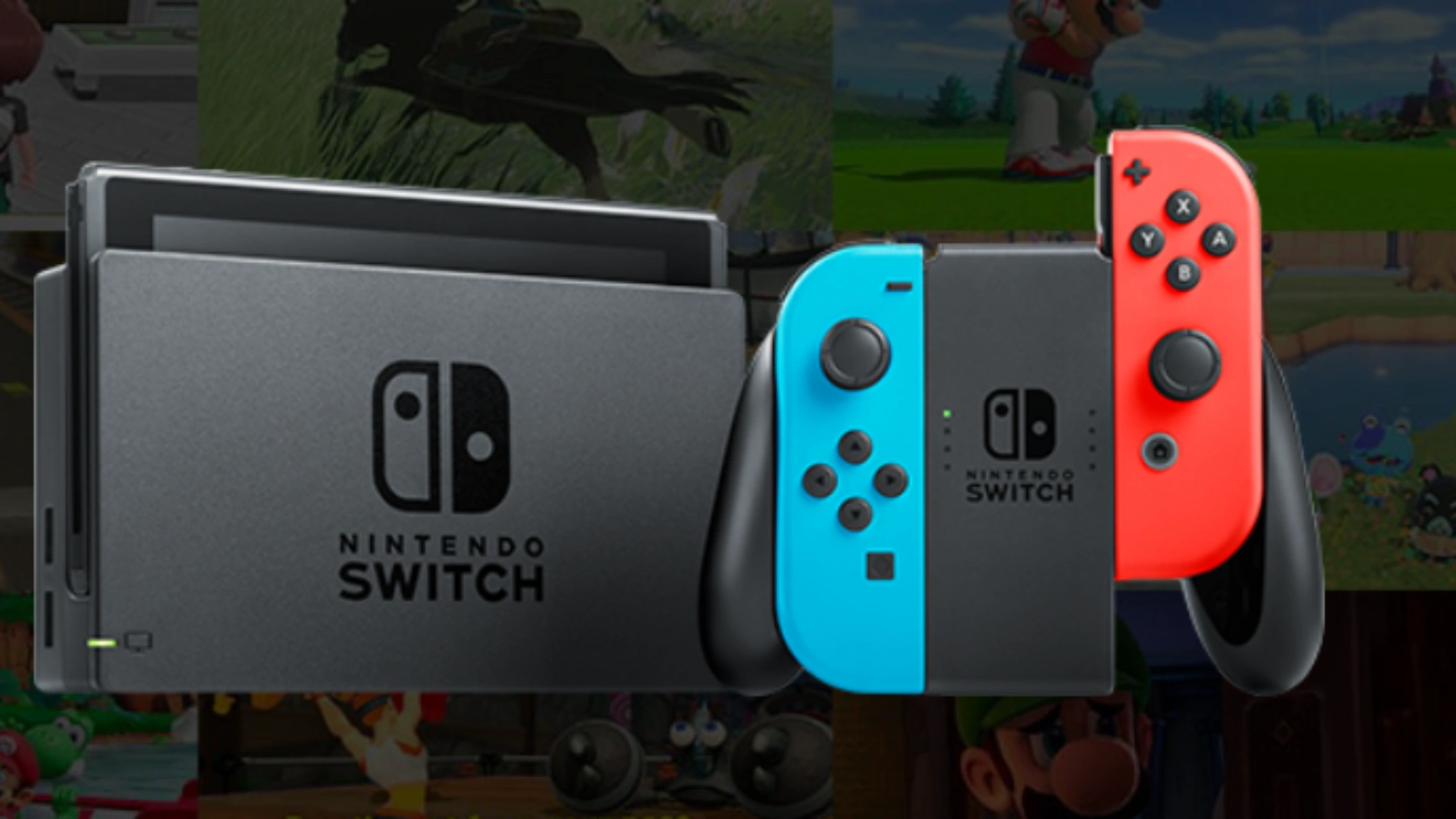
Then there are handhelds. On crowded trains, in long queues, during those liminal office lunch hours, handheld gaming turns stolen minutes into private escapes. It’s not performance that matters there, it’s presence. You can pause, pocket it, move.
Each setting carries its own logic. But who really wins when convenience and quality start tugging at opposite corners?
How It Affects Different Types of People
Students
Students value financial resources and transportation options more than digital image quality. A student can use a gaming laptop or a custom-built desktop system to perform coding tasks and video editing work and gaming.
Gaming computers become outdated quickly. The GPU which required a $500 investment two years ago now shows inferior performance compared to mid-range graphics cards.
The pursuit continues without interruption although its intensity has diminished. Consoles provide users with dependable performance which lasts six to seven years without requiring maintenance.
Users need to choose between two options because the system restricts their ability to use apps and install modifications. Handheld gaming devices cost less at first but become expensive when users buy additional ecosystem items. Is there such a thing as a future-proof setup for someone who changes addresses every semester?
Budget Minded Families
A family often wants one machine everyone can touch. Consoles, predictably, win the domestic vote: reliable, kid-friendly, less likely to “break something” in settings. But affordability bites hard, with new-gen consoles stretch budgets, and annual game subscriptions accumulate quietly in bank statements. PCs, though versatile, feel too personal for family time. Handhelds bring nostalgia but not collective fun. Parents end up watching kids disappear behind screens instead of gathering around one.
At what point does shared play turn into parallel solitude?
Young Professionals
For young workers with disposable income but little free time, choice becomes a reflection of control. A console becomes a reward at day’s end, something that requires no setup, no maintenance.
A high-end PC, though, tempts those who crave productivity and leisure in one frame. But it demands commitment: updates, cables, peripherals. Handhelds, especially hybrids, fill micro-breaks that shouldn’t exist but somehow do.
How much of the play is about relaxation and how much about reclaiming autonomy from work?

Small Business Owners
In small towns and growing economies, people face difficulties when they attempt to buy gaming devices because they have to choose between family expenses and their small business needs.
The idea of spending over $1,000 on a PC can feel alien to people while they consider it an irresponsible choice. Console devices exist at the boundary of what people can afford to pay for, while handheld devices especially mobile and cloud-based systems have become the most popular option. A smartphone with a controller clip creates a complete gaming system.
Is gaming a luxury, or just a modern version of rest that people still feel guilty about taking?
Where It Falls Short
Every platform falls somewhere between ideal and irritation. Consoles frustrate with proprietary restrictions and pricey accessories. PC gaming overpromises flexibility but rewards those with money and patience. Handhelds, despite charm, remind you of trade-offs—a smaller screen, shorter battery, weaker hardware.
For all their progress, none have fully cracked the code of “just works, everywhere.” Even cloud gaming, pitched as the solution, still depends on decent internet—something inconsistent in many countries.
So maybe the more honest question is: do we expect too much from machines built for play?
The Negative Consequences People Don’t Talk About
Behind the debate sits a quiet fatigue. The endless edition cycles—each “Pro,” “Max,” or “Next”—create a treadmill of desire that feels less about fun and more about staying current. Young players internalize upgrade culture before they even afford it.
Then there’s social division. In group chats, friends split along lines of hardware capability. Some can join; others can’t. Shared memory becomes fragmented. Little by little, a hobby meant to connect ends up reminding you who’s left out.
And there’s the space factor. Consoles demand living room real estate, PCs invade workspaces, handheld clutter bags. Everyone compromises something, time, money, emotional bandwidth, in chasing the version of gaming that fits them best.
If gaming began as an escape, when did it become another item to manage?
Pros and Cons
| Platform | Pros | Cons |
| Console | Reliable plug-and-play; tons of exclusives; strong community identity | Locked ecosystem; expensive games; limited upgrades |
| PC | Customizable; multitasks for work and play; wide access to indie titles | High cost of entry; ongoing upgrades; steep learning curve |
| Handheld | Portable; immediate; blends with daily routine | Hardware aging fast; weaker performance; short battery life |
| Cloud-based handheld | Low hardware cost; seamless updates | Internet dependency; lag; fragmented experience |
| Gaming laptop | Mobility + power; work-use overlap | Expensive repairs; heat/throttling; lifespan trade-offs |
| Smartphone gaming | Ubiquitous access; social; low barrier | Microtransactions; distraction fatigue; shallow gameplay loops |
Where does personal joy outweigh technical limitation?
Pricing & Accessibility
Here’s where reality crunches dreams. A modern console hovers between $400 and $600 before games. Each title, being $60 or more. Add subscriptions for online play, and you’re well past a grand in a year.
PCs span extremes: a usable rig might start near $800 but can easily stretch beyond $2,000 once peripherals join the party. You can upgrade gradually, true, but parts inflation and scarcity still bite.
Handhelds seem friendlier,with $200 to $400 on average, but their libraries often pull you into digital purchase cycles, and accessories pile up fast. Even cloud handhelds, sold as “cheap,” need stable broadband, which is a luxury in many regions once you add data costs.
So accessibility isn’t only about price, it’s about infrastructure. When “play” depends on networks, updates, and power grids, who really gets to play freely?
Final Thoughts
Maybe the question has never been console versus PC versus handheld. Maybe it’s how do you want gaming to fit into your life?
Some chase fidelity, with the perfect render, the smoothest motion. Others chase presence, being able to play anywhere, between tasks, between breaths. Most just want an escape that feels easy, affordable, and real.
Whatever you choose, make it yours, not the industry’s. Buy slow. Play long. Let the hype pass. Listen to how your rhythm, not the market’s, defines what’s “next.”
Because in the end, the best platform might simply be the one that doesn’t make you feel like you’re missing out.