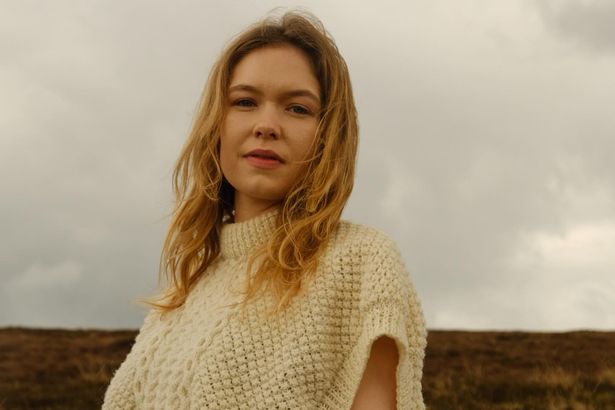

Irish designer Conor O’Brien, based in Dublin, has reflected on the idea of luxury knitwear and how complicated it is to profit from your craft.
At 25, Conor has been building up his brand over the years, with his latest collection, Phantom Thread, debuting at Dublin Independent Fashion Week last year.
Speaking about the origins of crafting, Conor said: “The value of craft is that we’ve inherited a craft tradition based on people who have either purchased it before and paid little for it, because the person making it was either doing it for free or not getting paid. If you didn’t acquire crafted items through that avenue, you were a craftsperson yourself, and you could make these things yourself.
“Today, we’re trying to adjust people to a craft value they think is extortionate because it has never existed before, even though it always has. It just hasn’t been named, and the facilities to support it haven’t been there.
“So, for example, we all know that the making of an Aran sweater is something like 10,000 stitches on average in a sweater. It’s arbitrary. People take different amounts of time to knit, but on average, it takes a very long time.
“It could take two, three, four, five weeks. Depending on the item, it could take up to 10 weeks. Just compare it to today’s minimum wage, then multiply that by the actual number of hours and say we’ll just pay a crafts person minimum wage. That’s already well beyond even the most expensive clothing in the world.
“You know that’s already costing thousands. Then, if I want to function as a business that needs to turn a profit of some description, I would at least need to charge €16,000-€18,000 for a sweater arm. It’s a shame because we simply don’t have the infrastructure on this planet right now that will ever facilitate what craft should actually be getting paid.”
Conor has trialled loopholes and developed his own solutions to these problems, as he is aware of the prevalence of paywalls in crafting by “bringing crafting back to people”.
“Having people learn it again. We once lived in a world where people made their own clothes, and it took them a long time. They would use stunning, natural fibres. But since that has happened, the same kind of clothing has been interpreted as a luxury item, which I think is a mistake. “I’m kind of doing no different than what my granny would have done when she made herself a jumper. I do it with a certain look and style, but it’s the same kind of process.
“Something that has really stood out to me is the whole host of women that I kind of learned my craft from, that I’ve spoken to about the craft, who were slightly shocked by my prices for my pieces.
“They’ve been doing this happily for free this whole time, and they’d never even consider that it should be paid for or monetised.
“Which is crazy. It’s a very complicated topic, and it just kind of comes down to a lot of that put your money where your mouth is kind of thing.
I do basically see that the people who actually have money in this country are very willing to pay what it actually costs to retrieve this luxury craft, which is great.
Want to see more of the stories you love from RSVP ? To add RSVP as a preferred source of news on Google, simply click here