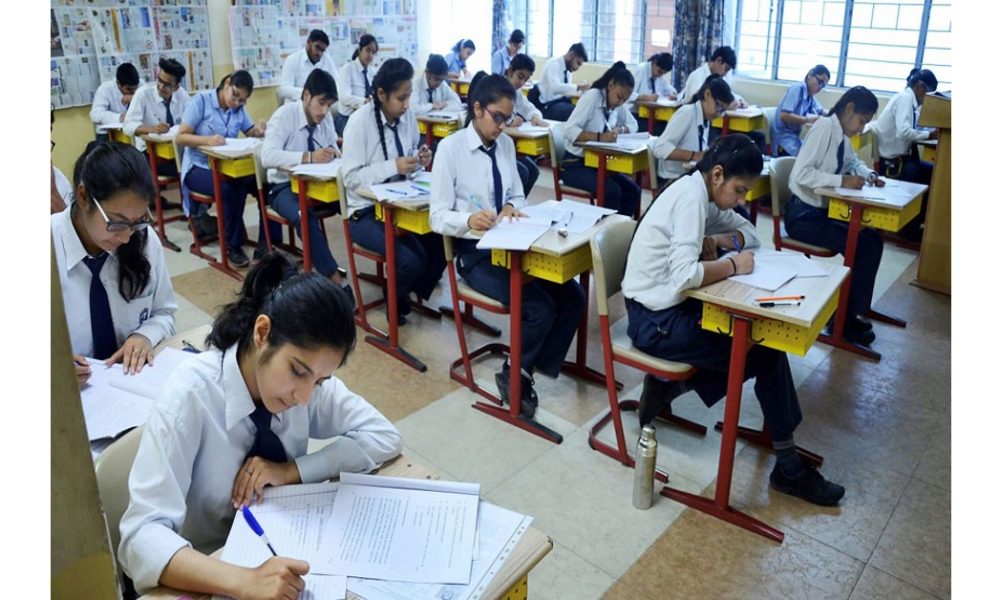
The Central Board of Secondary Education has announced that students in Classes 9 and 10 will be required to study three languages from July 1, 2026, as part of the implementation of the National Education Policy (NEP) 2020 and the National Curriculum Framework for School Education (NCFSE) 2023.
Under the revised structure, students will study languages under the R1, R2 and R3 format. The board has clarified that two of the three languages must be Indian languages.
However, CBSE has stated that there will be no Class 10 board examination for the third language, also referred to as R3, during the initial phase of implementation.
What the new language structure means
According to the updated curriculum framework, students will choose three different languages. The same language cannot be selected at more than one level simultaneously.
The board has explained the structure as:
- R1: Any language offered by CBSE
- R2: A language different from R1
- R3: A third language different from both R1 and R2
The move is aimed at promoting multilingual education in line with NEP 2020 recommendations.
No board exam for third language initially
CBSE has clarified that although the third language will become mandatory for Classes 9 and 10, students will not immediately face a board examination for R3 in Class 10.
Reports said the full implementation of the three-language board examination structure is expected to happen gradually over the coming years.
Schools asked to prepare for rollout
The board has already directed schools to finalise language options and upload details on the OASIS portal to ensure smooth implementation of the revised policy.
CBSE has also indicated that temporary textbook arrangements and interim measures for language teacher shortages may be introduced during the transition phase.