SINGAPORE: Amazon ended local fulfilment in Singapore because it could not leverage its strengths against rivals in Southeast Asia’s highly competitive e-commerce landscape, industry observers said.
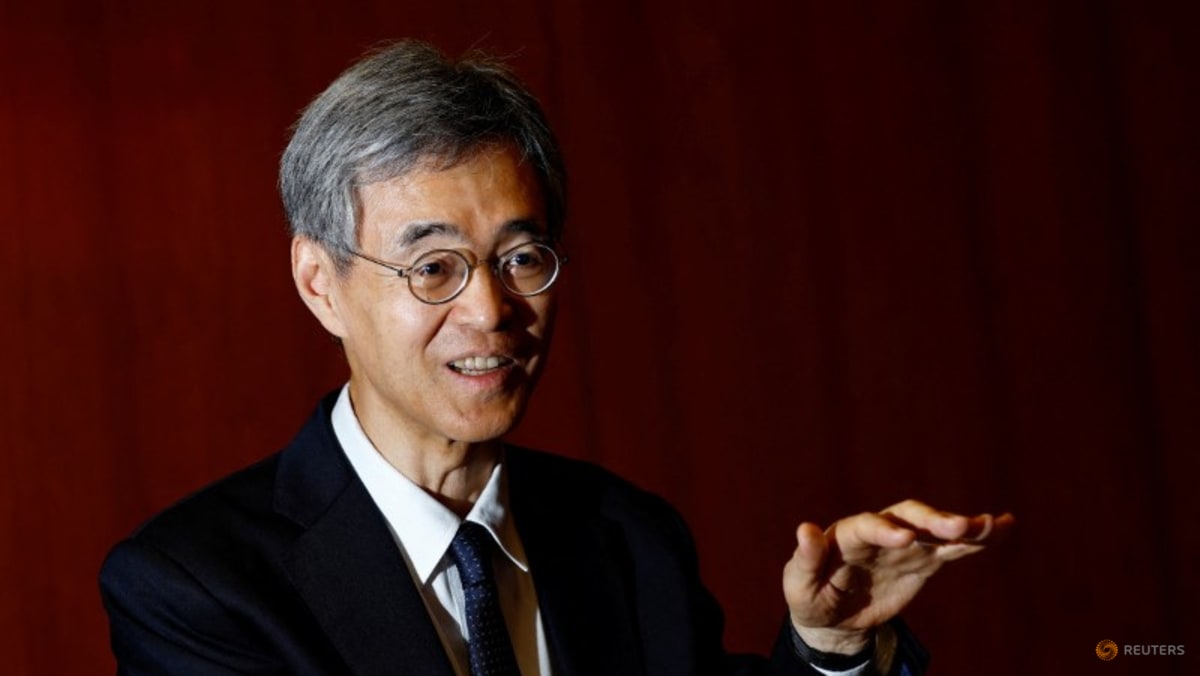
“Amazon is known to be very rational in making its decisions – and likely Southeast Asia is not a market where it has a high chance of winning,” said Mr Jianggan Li, CEO of venture outfit Momentum Works.
Regional platforms compete on price and volume of unbranded sellers, “not a play that Amazon has traditionally been strong at”, he added.
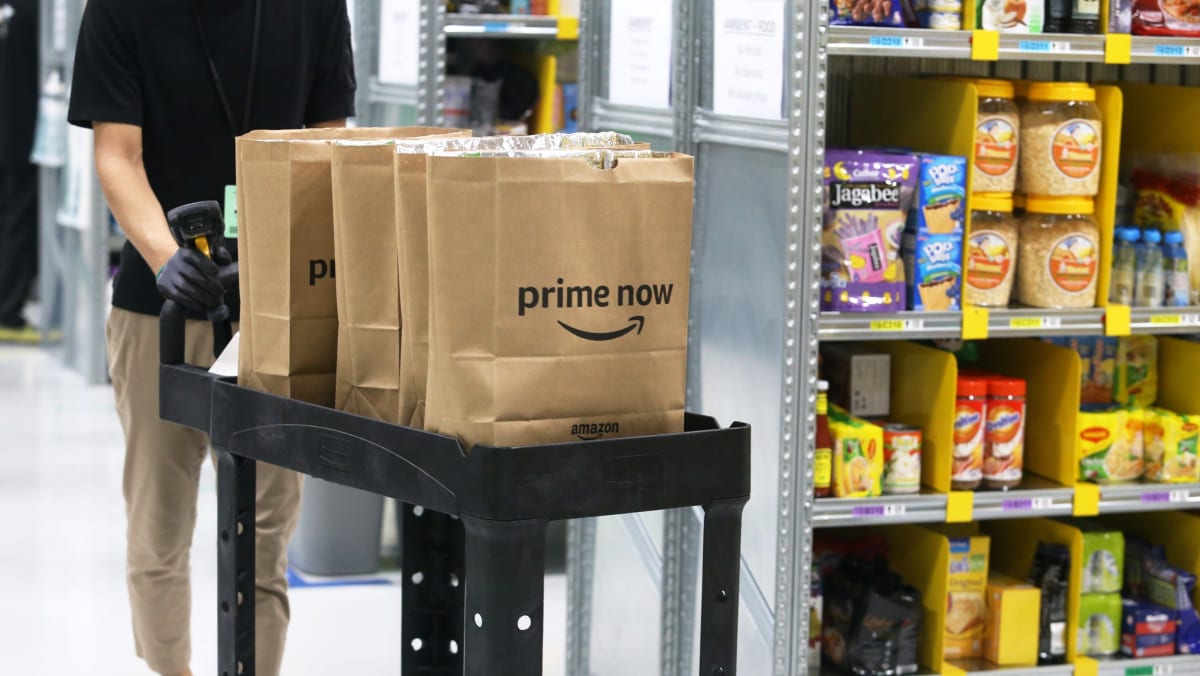
The tech giant announced it will phase out local fulfilment, including Amazon Fresh grocery delivery, and stop working with third-party sellers on Amazon.sg.
This will result in layoffs of “less than 10 per cent” of its total workforce in Singapore, the company said. It employs about 2,500 people locally.
Going forward, Amazon.sg will focus on international offerings from its United States, Japan and Germany stores. Nearly 80 per cent of local customers already shopped for such products in 2025, it said.
MARKET DOMINATED BY CHINESE-ORIGIN PLAYERS
Southeast Asia’s e-commerce market has grown to US$157.6 billion (S$201.5 billion) in gross merchandise value, with more than 98.8 per cent of market share consolidated around three platforms – Shopee, TikTok Shop and Lazada – according to a Momentum Works report in April.
Shopee, owned by Singapore-based Sea, leads the region, followed by ByteDance-owned TikTok Shop and Alibaba-owned Lazada.
Amazon first entered Southeast Asia via Singapore in 2017. Many platforms in the region were initially inspired by the tech giant, said Momentum Works’ Mr Li.
“However, over the years, Chinese e-commerce players have evolved a different set of playbooks involving high leverage of China’s supply chain, refined category operations, as well as content commerce and heavy reliance on content as a competitive lever.
“Chinese-originated or inspired e-commerce platforms have adapted that set of playbooks well in Southeast Asia,” he said.
“Content commerce” refers to a blend of sales and media-driven marketing like livestreaming. This is something that platforms like TikTok Shop and Shopee have grasped better than Amazon, said Mr Li.
In Singapore, Amazon accounts for 6 per cent of the city-state’s US$5.9 billion gross merchandise value, according to Momentum Works.
It captured “a good niche of premium customers, but whether that niche alone justifies the investment has always been a question mark”, Mr Li said. Amazon has no local presence elsewhere in Southeast Asia.