The government are looking at a major reform of the social welfare system and potential changes to Jobseeker’s Allowance – here’s everything you need to know about it

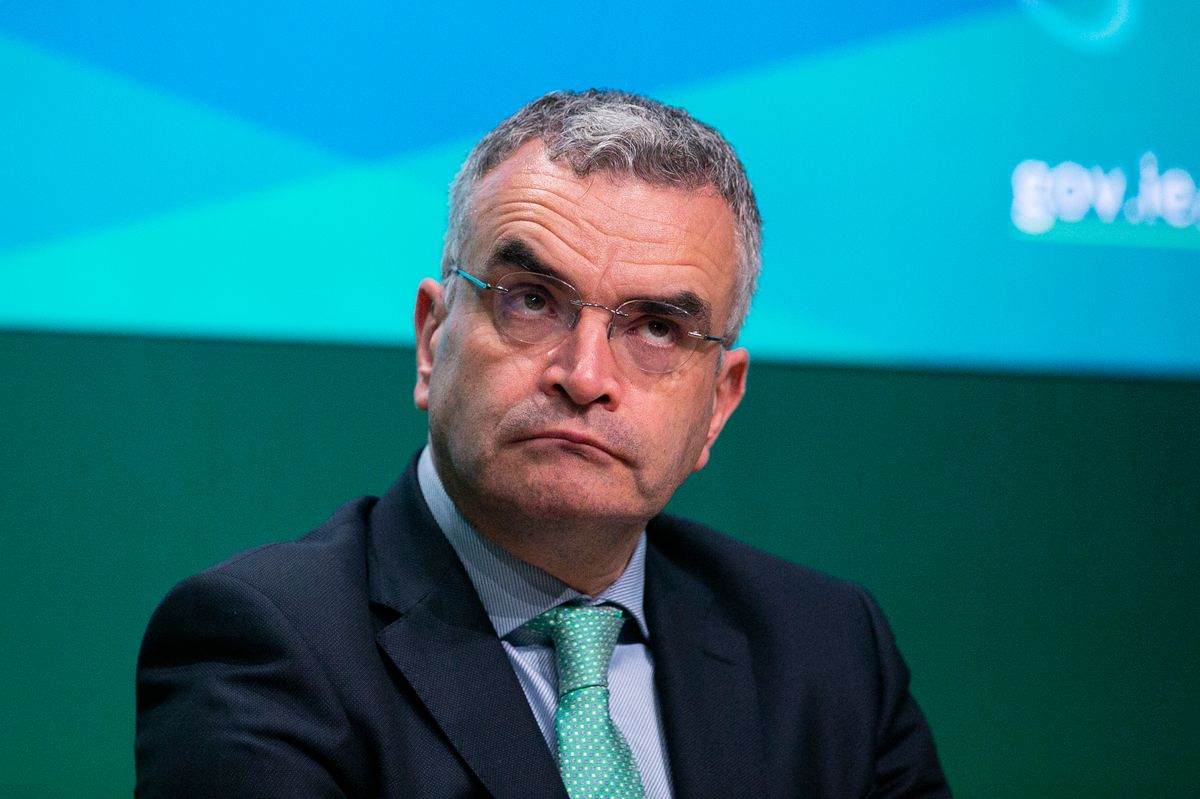
Minister of Social Protection Dara Calleary(Image: Collins Photo Agency)
There are some major changes in store for Jobseeker’s Allowance as the Department of Social Protection has launched a public consultation.
The government are looking at introducing brand new payments in what would be a major reform of the Irish social welfare system.
One of these would be a reform of the current Jobseeker’s Allowance.
Jobseeker’s Allowance is the main income support for people who are unemployed, or working part-time. While it works well, in some cases, in can discourage people from taking on extra hours. This is because earning more can mean losing the payment.
The government has committed to introducing a Working Age Payment to make sure that work always pays.
One option is to replace Jobseeker’s Allowance with a new payment where people are paid an amount based on how far their income is below a set threshold.
- if someone earns more, their payment would reduce gradually, instead of stopping suddenly
- this would avoid the “cliff edge” where people lose their payment all at once
If introduced the new working age payment would be:
- for people between 18 and 66
- it would apply no matter how many days or hours they work
- available to single people, couples and families with children
The new working age payment would support modern work by understanding people may have different work patterns on different weeks or have multiple sources of income. The aim is to create a flexible system and encourage people to increase their working hours.
The other payment the government are looking at introducing is targeted to support parents. There have been calls to replace the current system with a single stand-alone targeted child payment, also known as a “Second-Tier Child Benefit”, as part of the government’s commitment to reducing child poverty.
One possible approach for a targeted child payment is to create a new separate weekly payment for low-income families with children. It would replace the current Child Support Payment and Working Family Payment. How it could work:
- it would be for families on low income. The families would not need to be getting any another social welfare payment
- the amount paid would depend on their household income and how many children are in the family
- similar to the current Child Support Payment, there would be a set amount for each child in the family. The amount paid would be higher for children aged 12 and over
- families with lower incomes would get the maximum rate. The payment would gradually reduce as the household income increases
- it would not affect the universal Child Benefit payment, which is to stay the same
Want to see more of the stories you love from RSVP ? To add RSVP as a preferred source of news on Google, simply click here