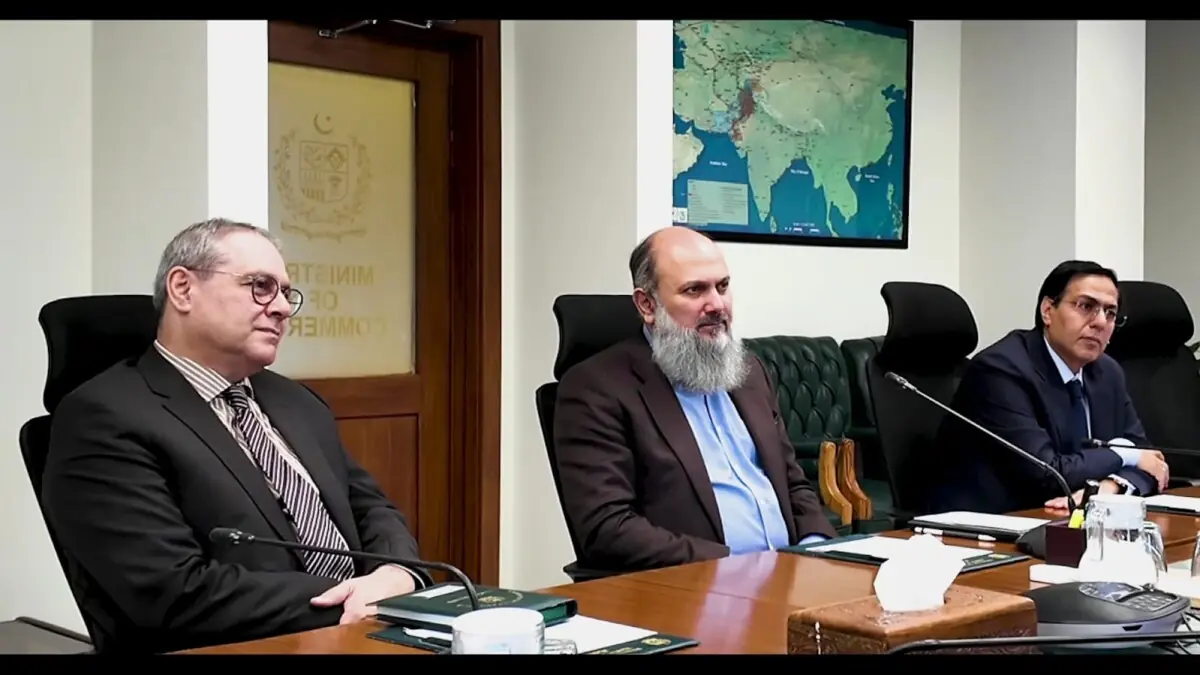
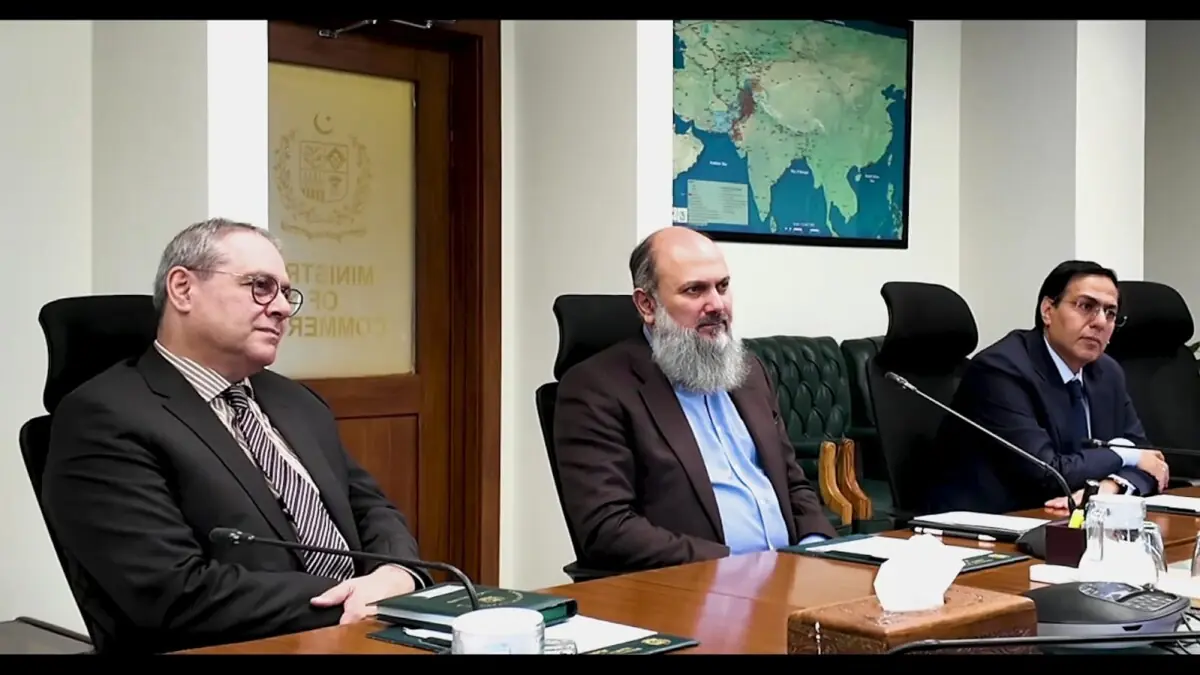
A delegation of National Steel Complex Limited (NSCL) and Federal Minister for Commerce Jam Kamal Khan discussed on Monday issues relating to industrial competitiveness, tariff rationalisation, value-added manufacturing, and operational challenges being faced by the steel and engineering sectors.
As per a statement released on Monday, the delegation briefed the minister on concerns arising from the existing duty structure applicable to raw materials, intermediate goods, and products processed through Export Processing Zones (EPZs).
NSCL is a steel manufacturing complex, spread over an area of 220 acres at Bin Qasim, Karachi.
The NSCL delegation explained that industries importing raw materials into the tariff area are required to pay customs duties at the import stage, while additional duties are again imposed when processed or value-added products return from EPZs to the tariff area, added the press release.
“The delegation informed the minister that the current mechanism effectively results in double taxation on industrial products and increases the cost of manufacturing, particularly for industries involved in machining, lining, coating, fabrication, and other value-added industrial activities.
READ MORE: Pakistan Steel Mills revival: Pakistan, Russia set 2027 start date4
They proposed that duties should only apply to the additional value created within the EPZ instead of the total value of the finished product.”
During the discussion, it was clarified that NTC primarily functioned as a technical body on tariff-related matters, providing analytical and advisory support regarding tariff structures and trade remedy measures.
The Commission is responsible for implementing trade protection instruments, including safeguards against unfair trade practices by foreign exporters, to protect local manufacturers.
“Matters relating to customs valuation, industrial costing, regulatory enforcement, and sector-specific compliance fall within the respective mandates of relevant authorities such as FBR, Ministry of Industries, and other concerned regulatory bodies.”
The minister was also apprised of the challenges being faced by long-term industrial projects due to rising energy costs, evolving tariff structures, and changing economic conditions.
“Participants observed that several projects were initiated under significantly different economic and industrial circumstances, while current operational realities have increased financial pressures on manufacturers.”
Khan acknowledged the concerns raised by the delegation and emphasised that the government remains committed to supporting industrial development, export-oriented manufacturing, and value addition in Pakistan.
He observed that policymaking should remain practical and responsive to the realities of industrial operations.
“He stated that the government values the technical expertise and practical experience of industrial stakeholders in identifying workable and legally sustainable solutions for the sector.”
Jam Kamal Khan directed the relevant authorities to continue consultations with stakeholders, including EPZA, customs authorities, tariff experts, and industry representatives, to examine the matter comprehensively and explore mechanisms that facilitate industrial growth while maintaining transparency and regulatory compliance.
The meeting also included discussions on industrial preparedness, machinery procurement, contractor coordination, and institutional facilitation required for the smooth implementation and expansion of industrial projects in the country.