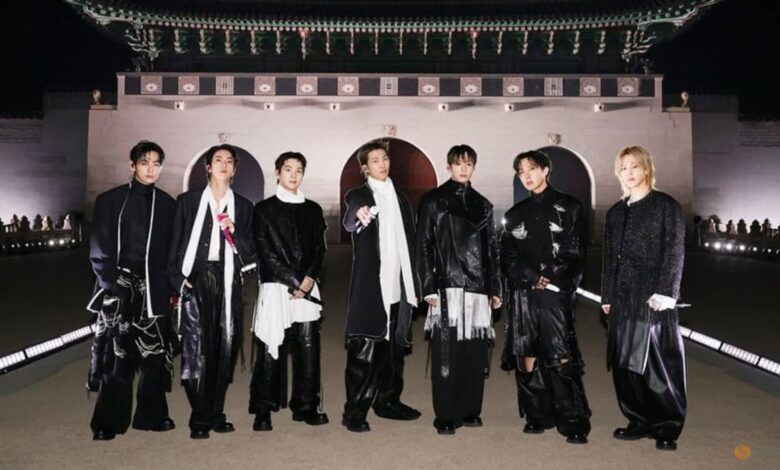
Mare Sousa, 16, said BTS mania is a phenomenon in which “everyone is free to be who they are”. She takes classes in a school called K-pop Dance with around 30 colleagues, most of them women.
The students rehearse their choreography before a mirror, even before class starts, and many of them use rest breaks to ask friends for help to correct their steps.
“Take it easy, breathe,” 22-year-old teacher Ginna Montoya said.
K-pop fever in Mexico goes beyond dance. Some groups meet in cafes with BTS posters to eat noodles. Other fans take language classes in the South Korean cultural centre.
Lucio Campos decided to learn it when his adolescent daughter asked to go to South Korea for her 15th birthday.
“BTS was born with the idea of transmitting healthy questions for young people,” Campos said. “Their war cry is ‘let’s live life, let’s live it healthily, let’s live well,’ and obviously this fascinates me.”
Campos said the music contrasts with what he called the sexuality of reggaeton or narcocorridos – a popular subgenre in Mexico that celebrates drug trafficking.
In a room with band photos, Lucio pointed his finger and named the group members. His daughter Ana corrected him. “This is Jin,” she said.
“BTS taught me to love myself,” Ana said as she went through the pages of an album with photos of the band members and motivational phrases on the back.