Human-to-human transmission has only been reported in previous outbreaks of one specific hantavirus called Andes virus, which circulates in South America.
Van Kerkhove said the virus species had yet to be confirmed, but highlighted that WHO had been told “there are no rats on board” the ship.
South African researchers were working sequencing the data, said Van Kerkhove, who added that “our working assumption is that it is the Andes virus”.
“We do believe that there may be some human-to-human transmission that is happening among the really close contacts”.
CONTACT TRACING
The wife was suffering from “gastrointestinal symptoms” and “deteriorated” during a flight to Johannesburg on April 25, the WHO said. She died the following day.
Van Kerkhove said contact tracing had been initiated for people on the flight. She stressed that human-to-human transmission typically only happened “among very close contacts”.
The ship’s operator said a British passenger was in intensive care in Johannesburg. The two crew still on board – one British and one Dutch – needed urgent care, WHO said.
Van Kerkhove said the typical incubation period for the hantavirus was between one and six weeks, leading the WHO to believe that the Dutch couple, who had been travelling in South America, “were infected off the ship”.
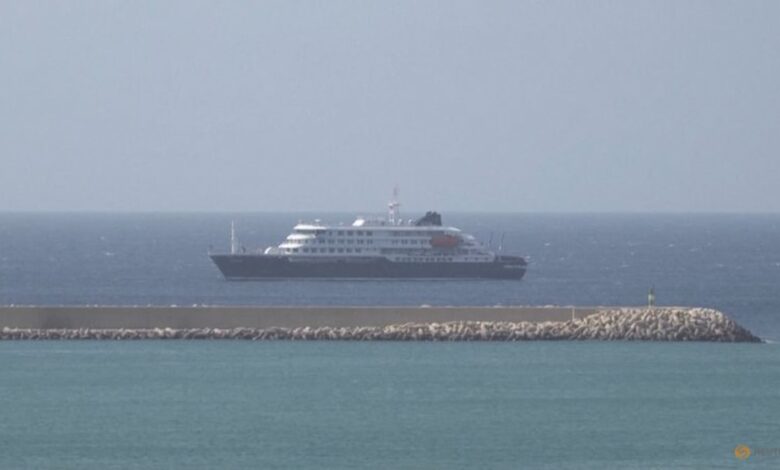
The Hondius, she highlighted, was an expedition vessel, with passengers going ashore on Atlantic islands to do birdwatching and other activities – meaning there could be “some source of infection on the islands”.
The WHO has said the risk to the global population from the outbreak is “low”.