
SINGAPORE: “AI bilingualism” – the ability to combine artificial intelligence skills with industry expertise – is becoming increasingly important as AI adoption accelerates across the economy, said the head of Singapore’s digital watchdog.
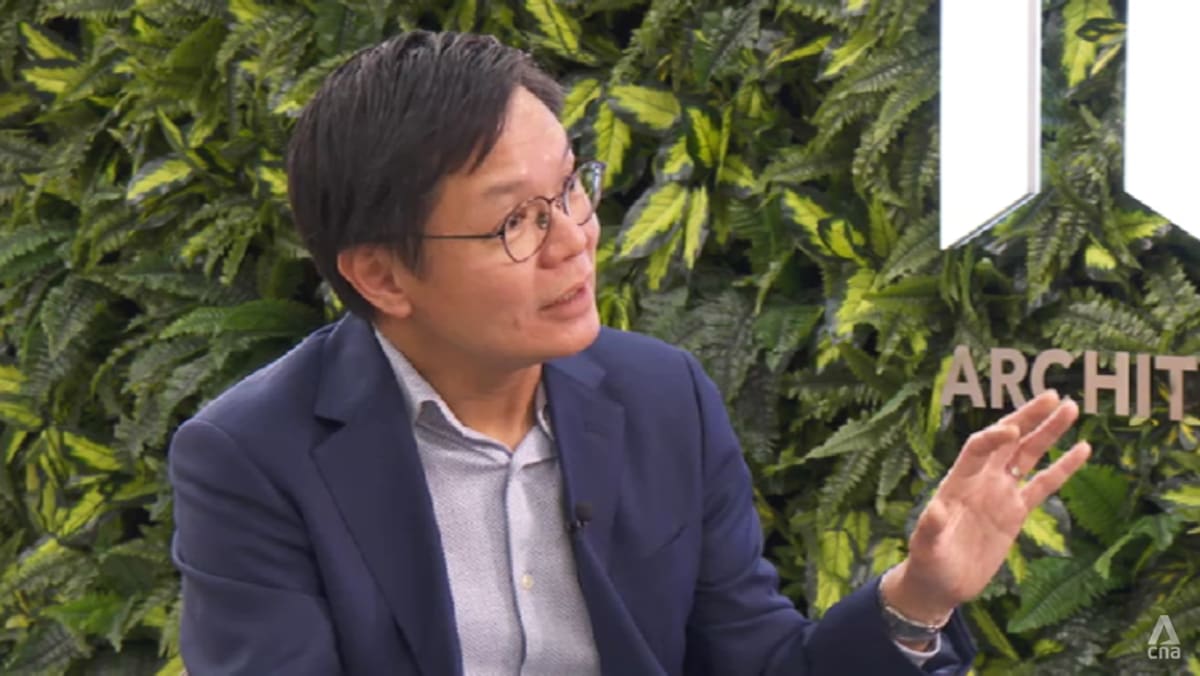
Speaking to CNA ahead of this year’s ATxSummit, which begin on Wednesday (May 20), the Infocomm Media Development Authority (IMDA)’s chief executive Ng Cher Pong said demand for tech capabilities is no longer concentrated within the technology sector itself.
In fact, tech roles in non-tech industries are growing three to four times faster than those within the tech sector, underscoring the growing need for workers across the nation to become fluent in AI tools and applications, he noted.
“We believe that the value that will be created is when we combine AI skills with domain expertise. Broadly, that’s called AI bilingualism,” Mr Ng said.
His comments come as Singapore ramps up efforts to position itself as a regional AI hub while ensuring workers and businesses are equipped to adapt to rapid technological change.
FROM THEORY TO IMPLEMENTATION
For the past six years, the ATxSummit has served as one of Asia’s flagship technology events, bringing together policymakers, business leaders and researchers.
Organisers say this year’s edition, which runs until Friday at Singapore Expo, will focus on shifting from theoretical discussions about AI towards practical implementation and governance.
“We’re in a period of extraordinary change,” said Mr Ng.
“For Asia, this presents tremendous opportunity for us to adopt and scale AI, but at the same time, this must really be underpinned by responsible use of AI, governance, ethics, standards and safety.”