
The World Health Organisation has declared “a public health emergency of international concern” in the Democratic Republic of Congo and Uganda as Ebola is rapidly spreading

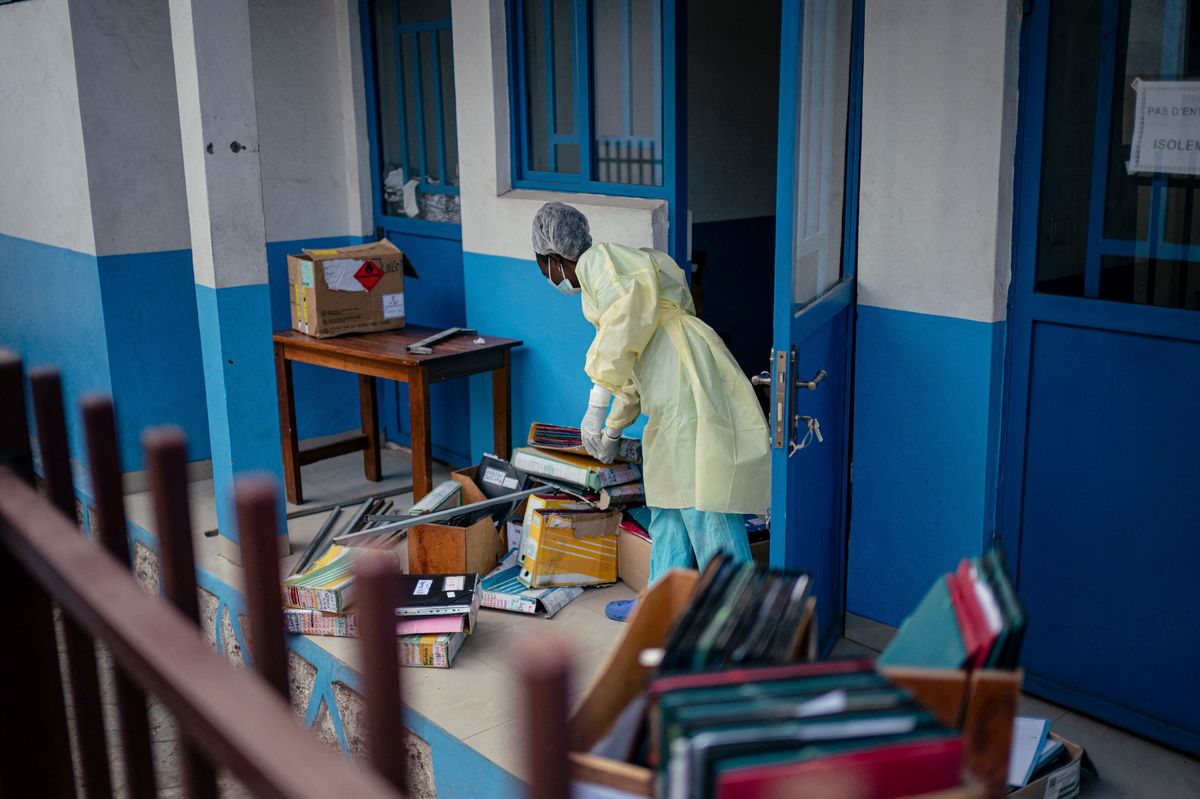
Staff members at CBCA Virunga Hospital prepare rooms intended for possible suspected Ebola cases following official announcements in Goma, on May 17, 2026(Image: Jospin Mwisha / AFP via Getty Images)
The World Health Organisation (WHO) has declared a “public health emergency of international concern” as Ebola is rapidly spreading across the Democratic Republic of Congo and Uganda.
The outbreak in the region has a reported 246 suspected cases and 88 deaths so far, with fears that the virus will continue to spread.
The outbreak began in Ituri province in eastern part of the Democratic Republic of Congo, but cases have already been reported elsewhere in the country and in Uganda, per the Guardian.
The WHO are urging for preventative measures to be taken to stem the spread of the illness, which has a high fatality rate.
Here’s everything you need to know about Ebola:
- According to the World Health Organisation, Ebola disease is a severe, often fatal illness affecting humans and other primates.
- It is a virus that is passed to people from wild animals, such as fruit bats, porcupines and non-human primates, and then spreads among humans through direct contact with the blood, secretions, organs or other bodily fluids of infected people, and with surfaces and materials such as bedding and clothing contaminated with these fluids.
- Ebola is much more fatal than other viruses, such as Covid-19. The average Ebola disease case fatality rate is around 50%, and during past outbreaks, case fatality rates have varied from 25–90%.
- The first Ebola disease outbreaks occurred in remote villages in Central Africa, near tropical rainforests.
- In 2014–2016, an Ebola virus disease outbreak in West Africa was the largest and most complex outbreak since the virus was first discovered in 1976. There were more cases and deaths in this outbreak than all others combined. It also spread between countries, starting in Guinea then moving across land borders to Sierra Leone and Liberia.
- The incubation period for the virus can last between two to 21 days, meaning it can take a while for a person who is infected to develop symptoms. However, a person infected with Ebola cannot spread the disease until they develop symptoms.
- Symptoms can come on suddenly and include: fever, fatigue, malaise [a general feeling of being unwell], muscle, pain, headache, and sore throat.
- As the virus progresses, further symptoms can include vomiting, diarrhoea, abdominal pain, rash, and symptoms of impaired kidney and liver functions. In less frequent cases, internal and external bleeding (e.g. oozing from the gums, blood in the stools), can also occur.
- Treatment for ebola includes rehydration with oral or intravenous fluids, monoclonal antibodies mAb114 (ansuvimabTM) or REGN-EB3 (InmazebTM).
- Two vaccines have been approved for Ebola virus disease: Ervebo and Zabdeno and Mvabea. The Ervebo vaccine is recommended as part of outbreak response.
In other news relating to viruses, a cruise ship had to be quarantined after passengers and crew onboard suffered from an outbreak of hantavirus.
Want to see more of the stories you love from RSVP ? To add RSVP as a preferred source of news on Google, simply click here