
Canada is planning to develop a new oil pathway to mitigate energy and fuel supply amid global crises.
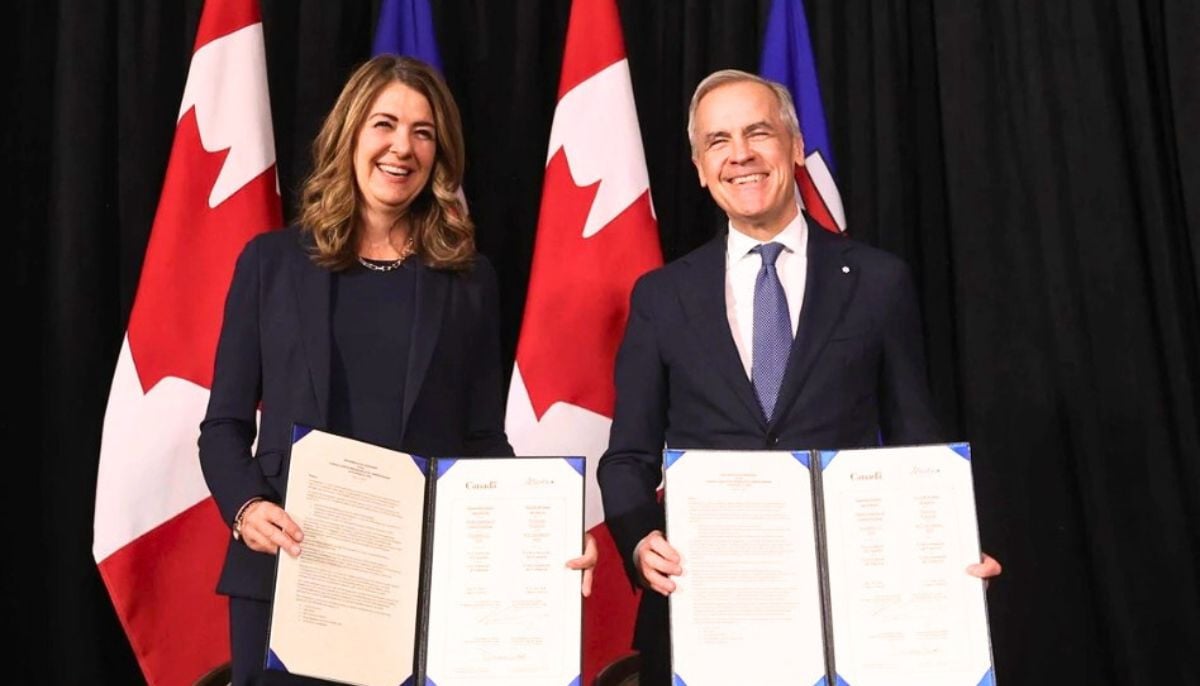
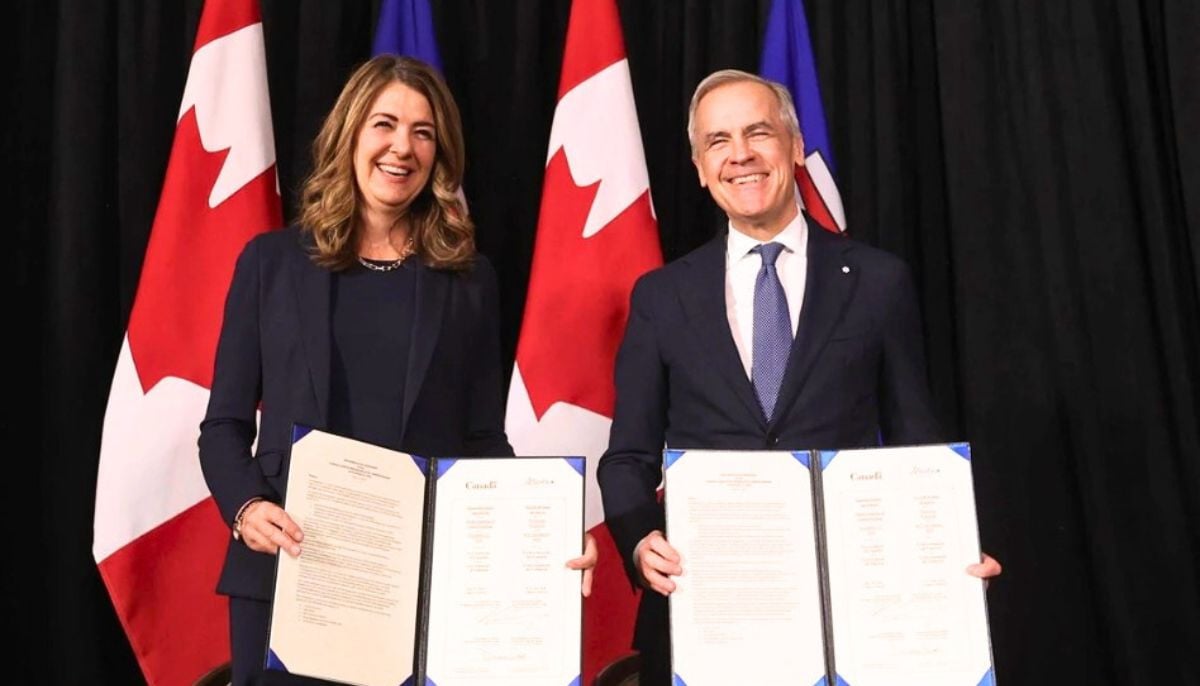
Canadian Prime Minister Mark Carney and Alberta’s premier on Friday signed a deal on industrial carbon pricing, part of a broader agreement they have been hammering out for months that is meant to pave the way for construction of a 1-million-barrel-per-day crude oil pipeline to British Columbia’s northwest coast to start by September 2027.
Forecasts suggested Friday’s deal in Calgary will increase the effective carbon credit cost in Alberta’s industrial carbon market to C$130 ($94.59) a metric ton by 2040 from $95.
This measure is meant to provide oil companies with a financial incentive to cut pollution.
But it is unlikely to satisfy environmentalists who wanted quicker implementation or oil executives who fear any industrial carbon price puts the industry at a disadvantage to the United States, which does not have a national carbon price.
It was Carney’s first visit to the oil-and-gas city since November, when he and Alberta Premier Danielle Smith agreed to work together to boost investment in energy production, including a new oil pipeline that does not yet have a private sector proponent.
US competition concern:
Alberta froze its headline industrial carbon price in May 2025, citing the need to keep its companies competitive in light of the economic threat posed by U.S. President Donald Trump’s tariffs.
Credits in Alberta’s carbon market trade between C$20 and C$40 per metric ton, which environmental experts say is too low to incentivize polluters to invest in emissions-reduction technology.
Plan included escalating carbon price floors to ensure Canada’s heavy emitters continue to have incentives to reduce emissions every year.
The deal will see Alberta’s official carbon price increase to $100 per ton next year, to $130 in 2036, and then escalate by 1.5% per year starting in 2036.
Environmentalists were keen for Alberta’s effective market price for carbon credits to reach C$130 by 2030. They have argued a swifter time frame would encourage companies to make immediate efforts to reduce their emissions.
“2040 is obviously a weakening of where we’re supposed to be,” said Tim Weis, director of industrial decarbonization at the think tank Pembina Institute.
But the deal ensures Alberta raises its carbon price over time as other provinces are required to do, satisfying a condition Carney set before his government would consider fast-tracking a new crude export pipeline.
Why it matter?
The agreement for the first time provides a project start date if the government’s legal obligation to consult Indigenous people has been met.
‘But moss has intrinsic beauty. Japanese moss gardens are wonderful. They’re revered. And we want to bring that beauty of moss to our cities.’
Canadian oil companies are keen to expand production, and Alberta has said it plans to bring a proposal for the country’s second West Coast oil export pipeline before July 1, even though no private company has agreed to own the project.
Carney and Alberta have also agreed a new pipeline is contingent on the oil industry committing to emissions reduction by building a proposed carbon capture and storage project, though under the deal, the project can be phased in over time.