
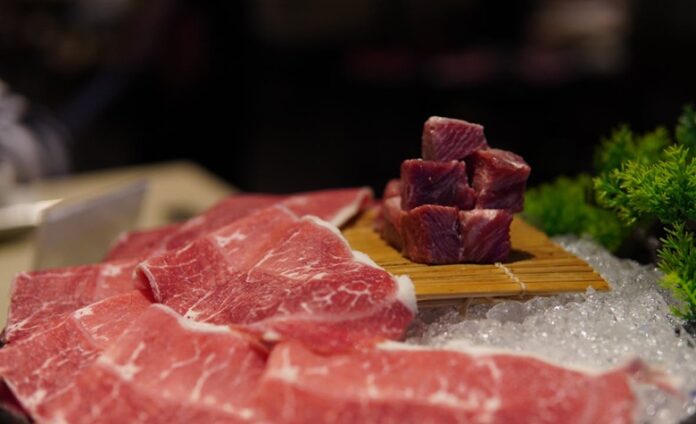

In recent years, there’s a rising fascination with organic beef due to the additional awareness of the advantages it offers compared to conventional beef. This type of meat is not only more nourishing to the consumers but also makes them more aware of adopting a healthful and sustainable method of producing meat, thus bettering the environment.
Health Benefits of Organic Beef
Partly the reason why organic beef is desirable for consumers is that they see health advantages. Organically raised cattle are not raised on growth hormones or antibiotics as is traditionally done with conventional meat. This will allow consumers to revel in meat free of these probably dangerous chemicals.
In addition, organic beef may contain more of the beneficial nutrients, such as omega-3 fatty acids, antioxidants as well as the vitamins. Moreover, these nutrients are extremely important for your heart health, the prevention of inflammation and also for the person’s overall well-being.
Environmental Impact of Organic Farming
It’s difficult to put into words how advantageous it is to purchase organic beef. The organic farming practice tries to minimise or eradicate the effects on the environment, and enhance soil productivity. This is achieved by practices that will benefit the plant and animal diversity, improve water use efficiency and reduce environmental impact.
Rotational grazing systems that enable the development and maintenance of high-quality feed and reduce the risk of overgrazing are also frequently used by the organic growers. This will not only provide natural food to the cattle, but also carbon, which will contribute to climate change mitigation.
Animal Welfare Considerations
When discussing organic beef, another key element that must be considered is “animal welfare. Whether they are of organic origin or not, animals in organic farming generally must be given areas to roam, so they can exhibit their instincts. This is not the case of a factory set-up where animals can be confined in small areas.
Economic Aspects of Organic Beef
There are health, environmental and ethical benefits to consuming organic beef, but this type of beef is also more expensive than conventional beef. Why? It supports local farmers who are engaging in sustainable farming; therefore, supporting the local economy.
The cost is an indication of the care that must be taken with the cattle during their care and feeding, and is necessary for them to produce organic beef. Although organic beef costs more, demand is still growing because it offers consumers products in a way that is in line with their values.
Challenges in the Organic Beef Industry
There are some issues for farmers wanting to produce organic beef. There is a high cost and hard to get into one of the practices of an organic farm. Further benefit, organic farming requires greater efforts and time than conventional farming.
Climate and market circumstances also have an impact on the organic farmers. But, as many farmers are discovering there’s a better side to the fence to be harvested for production of quality, environmentally friendly products.
The Future of Organic Beef
With increasing interest in food choices, the potential for organic beef has been uplifted. The concept of health, environment and animal welfare is increasingly acknowledged today and is driving an increasing demand for organic products. With the progress in technology, it would also be easier and cheaper for farmers to adopt an organic farming system.
In addition, ongoing research into sustainable approaches along with the latest technologies can improve the sustainability of organic beef production methods. Also this is helping to reduce the potential for further environmental trade-offs in the livestock growing process.
Conclusion
There are numerous benefits to choosing organic beef products, with improved health, sustainable and ethical farming methods, environmental conservation and healthy living at the forefront. With increased awareness also a demand for responsibly produced meat. Consumers will begin to feel good about what they are eating, realise beets are a more “green” option, and feel better about the food items they are eating, which are high in nutrients and quality.