Prime Minister Narendra Modi has appealed to citizens to reduce non-essential spending on imported goods and conserve fuel as India faces growing economic pressure due to the ongoing Iran conflict and rising global crude oil prices.
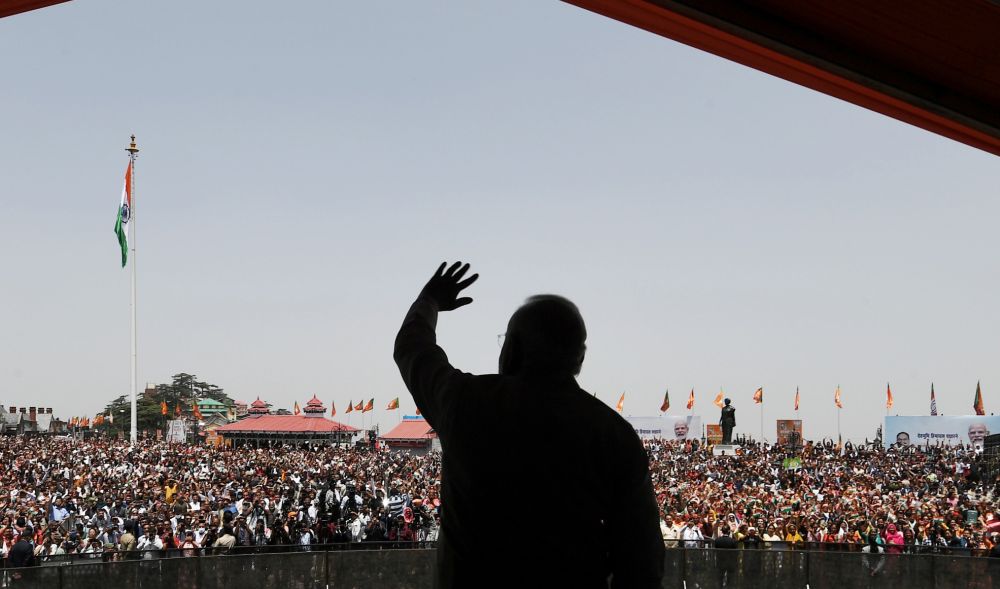
Addressing a public gathering in Hyderabad, the Prime Minister asked people to avoid buying gold for one year, postpone unnecessary foreign travel, use public transport, revive work-from-home practices where possible, and reduce petrol and diesel consumption.
The appeal comes at a time when crude oil prices have surged sharply following tensions and conflict in West Asia. Reports indicate that average crude import prices have jumped from nearly $70 per barrel to around $120 per barrel in recent months, putting severe pressure on India’s import bill and foreign exchange reserves. The rupee has also weakened significantly against the US dollar.
“Save Foreign Exchange by Any Means”
During his speech, Modi stressed the importance of protecting India’s foreign exchange reserves amid global uncertainty and disruptions in energy supply chains.
He said the country must “save foreign exchange by any means” and urged citizens to adopt habits that reduce dependence on imported commodities and fuel.
The Prime Minister recalled how Indians adapted to virtual meetings and remote work during the Covid-19 pandemic and suggested that companies and employees should again use work-from-home arrangements wherever feasible to reduce fuel consumption and travel costs.
Apart from reducing fuel use, Modi also appealed to people to:
- Use metro rail and public transport more frequently
- Prefer carpooling and electric vehicles
- Shift parcel movement to railway transport
- Avoid unnecessary foreign vacations and destination weddings
- Reduce edible oil consumption
- Promote natural farming and reduce chemical fertiliser use
- Buy more Made-in-India products
Why Gold Purchases Are a Concern
Economic experts say Modi’s appeal regarding gold is linked directly to India’s large import bill. India is the world’s second-largest consumer of gold and imports most of the gold sold in the country. According to reports, India imported nearly $72 billion worth of gold in FY26, accounting for almost 10 percent of the total import bill.
Since gold imports require payment in dollars, heavy demand for gold increases pressure on foreign exchange reserves and weakens the rupee during periods of global instability.
Analysts believe that if gold demand falls even temporarily, it could help reduce dollar outflow and support India’s balance of payments position.
Impact of Iran Conflict on India
India imports nearly 85 percent of its crude oil requirement, making the country highly vulnerable to geopolitical tensions in oil-producing regions. The continuing Iran conflict and disruptions around key shipping routes in West Asia have pushed up energy prices globally.
Higher oil prices not only increase petrol and diesel rates but also affect transportation, fertilizers, LPG cylinders, medicines, and food prices. Economists warn that prolonged high crude prices can widen the current account deficit and fuel inflation across sectors.
Government officials and financial analysts believe the Prime Minister’s message was aimed at preparing citizens for a period of economic caution and responsible consumption.
Opposition Targets Government
The Prime Minister’s remarks triggered a sharp political response from the opposition. Leader of Opposition Rahul Gandhi criticised the appeal, calling it “proof of failure” and accusing the government of shifting the burden of economic problems onto ordinary citizens.
Congress president Mallikarjun Kharge also questioned the government’s handling of the economic situation, alleging that the Centre had earlier claimed that everything was under control but was now asking people to make sacrifices.
Market Reaction and Economic Concerns
The Prime Minister’s comments also affected stock markets, particularly jewellery companies. Shares of major jewellery retailers reportedly fell after investors feared that the government could consider stricter import measures or higher duties on gold if the situation worsens.
Financial experts believe India may have to consider additional measures if crude oil prices remain elevated for a prolonged period. These could include encouraging foreign currency inflows, tightening non-essential imports, or taking steps to stabilise the rupee.
The Prime Minister’s appeal is being seen as one of the strongest public calls for economic restraint in recent years, reflecting growing concerns over global instability, energy security, and pressure on India’s economy.