• Iran conveyed response via Pakistani mediators
• Officials say Tehran wants to focus on ending hostilities, leaving ‘contentious’ matters like sanctions relief, N-issues for later
• Pezeshkian says dialogue ‘does not mean surrender or retreat’; Khamenei meets military commander
• After Washington meetings, Qatari PM discusses diplomatic efforts with PM Shehbaz
WASHINGTON/ISLAMABAD: President Donald Trump has rejected Iran’s formal response to the latest US proposal, conveyed through Pakistani mediators, aimed at ending the ongoing Gulf conflict, as diplomatic efforts become increasingly strained amid continued military preparations and repeated ceasefire violations across the region.
“I have just read the response from Iran’s so-called ‘Representatives.’ I don’t like it TOTALLY UNACCEPTABLE,” Trump posted on his Truth Social platform, without providing details of the response.
Iranian state media, however, mentioned the response focused on ending the war on all fronts, especially Lebanon, and on the safety of shipping through the Strait of Hormuz.
Prime Minister Shehbaz Sharif earlier at a ceremony in Islamabad, held to mark the one-year anniversary of Pakistan’s victory over India, said he had been told by Field Marshal Asim Munir that “we have received Iran’s response”. “I cannot go into more detail. I commend the efforts of Deputy Prime Minister Ishaq Dar and congratulate Field Marshal Asim Munir, who has dedicated himself [to this cause],” he added.
Reuters quoted a Pakistani government official involved in the talks as saying that Islamabad sent Iran’s response to the US proposal soon after receiving it. Also, Iranian state media reported Tehran’s reply to the American draft was handed over to Pakistani intermediaries after the completion of internal consultations and final review by the Iranian leadership.
“The response of the Islamic Republic of Iran to the latest proposed text by the US for the end of the war was sent today to the Pakistani mediator,” the Iranian Foreign Ministry said in a statement carried by official media.
According to Iranian officials, Tehran proposed that the current phase of negotiations may focus primarily on ending hostilities in the region, while more contentious matters, including sanctions relief and the nuclear issue, could be addressed at later stages.
Another Iranian source said that Tehran’s response was positive and the ball was now in Washington’s court. He hoped that the reply could pave way for resumption of dialogue in coming days.
The official said that the response is backed by political consensus within Iran.
Distrust of the US, meanwhile remains deeply entrenched in Iranian psyche. Iran’s envoy to Beijing in a post on X said that any potential agreement “must necessarily” be guaranteed by China and Russia as influential powers, besides its validation by United Nations Security Council.
In a post on X hours after the response was conveyed, Iranian President Masoud Pezeshkian wrote that negotiation does not mean surrender or retreat.
“We will never bow our heads before the enemy, and if talk of dialogue or negotiation arises, it does not mean surrender or retreat. Rather, the goal is to uphold the rights of the Iranian nation and to defend national interests with resolute strength,” he wrote on X.
Military commander meets Khamenei
The diplomatic move came hours after Major General Ali Abdullahi, commander of Iran’s Khatam al-Anbiya Central Headquarters, met Supreme Leader Ayatollah Seyyed Mojtaba Khamenei and briefed him on the preparedness of the country’s armed forces.
Iranian media reported that Gen Abdullahi presented an assessment of the combat readiness of the army, the Islamic Revolutionary Guard Corps, law enforcement units, border forces, the Defence Ministry and the Basij force.
The commander said Iranian forces remained fully prepared “in terms of combat morale, defensive and offensive readiness, strategic plans and equipment” to confront what he described as “American-Zionist enemies”.
He warned that any “strategic error or aggression” by the United States or Israel would be met “quickly, intensely and powerfully”.
According to the Iranian account, Ayatollah Khamenei praised the armed forces and ordered new measures to continue confronting adversaries forcefully, building on previous wartime directives during what Iranian officials have termed the “Third Imposed War”.
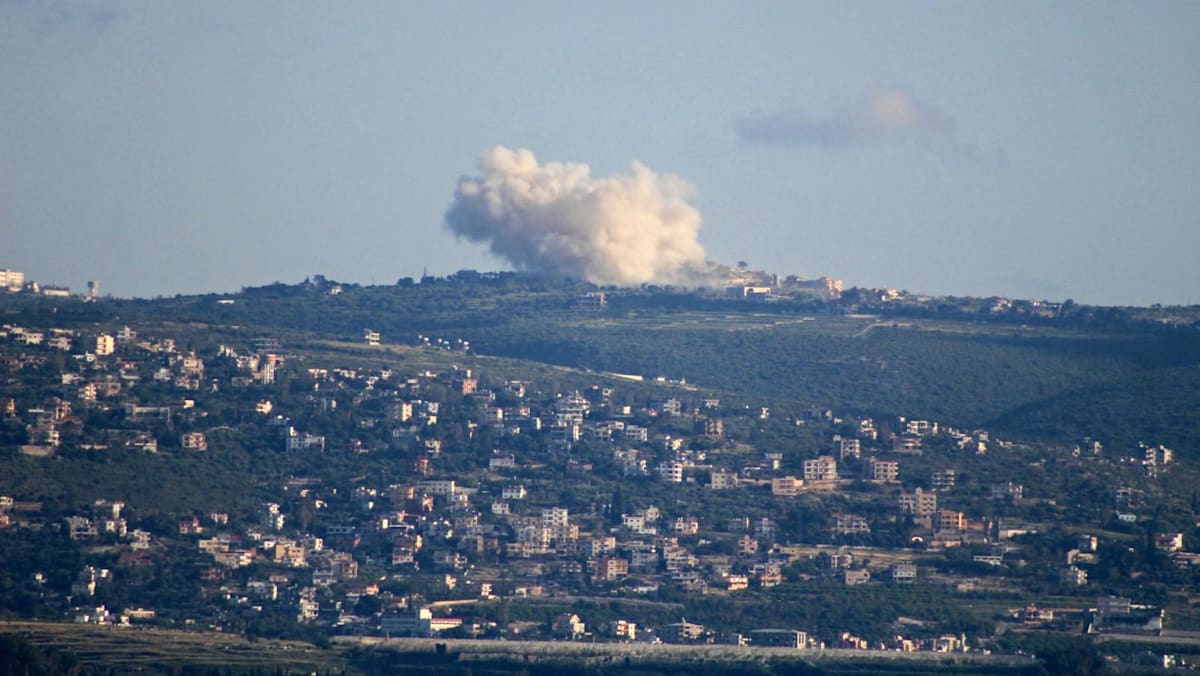
The latest diplomatic exchanges took place amid persistent tensions despite a fragile ceasefire that has repeatedly come under pressure, particularly in the Gulf waters and on the Lebanon front.
Diplomatic contacts intensify
Over the weekend, US officials held consultations with Qatari leaders before Qatar’s Prime Minister and Foreign Minister Sheikh Mohammed bin Abdulrahman Al Thani telephoned Prime Minister Shehbaz Sharif.
According to a statement issued by the Prime Minister’s Office on Sunday, the two leaders reviewed the evolving regional situation and ongoing peace efforts.
PM Shehbaz appreciated Qatar’s “continued and steadfast support” for Pakistan’s peace initiatives, while both sides underlined the importance of constructive engagement to ensure success of diplomatic efforts.
Qatar recently stepped up its role as a complementary mediator to that of Pakistan-led ‘quartet’ comprising Pakistan, Egypt, Saudi Arabia, and Turkiye, which launched the broader Islamabad process. This development also aligns with a broader regional dynamic, wherein alongside Oman, Qatar has long served as one of Tehran’s preferred interlocutors in the Persian Gulf for sensitive issues.
In this context, Tehran’s decision to permit the passage of a Qatari LNG tanker through the Strait of Hormuz, with the shipment destined for Pakistan, carries a symbolic message serving as a quiet signal of goodwill that simultaneously benefits Pakistan, reinforces Qatar’s bridging role, and underscores the interconnected nature of the current diplomatic efforts.
With input from Syed Irfan Raza in Islamabad and Anwar Iqbal in Washington
Published in Dawn, May 11th, 2026