Religion plays an important role in women’s lives.
While religion gives women hope and faith, it also oppresses them. Centuries of traditions, customs, and folklore, rooted in religious scriptures or their interpretations, have enabled men in religious leadership roles to control and exclude women devotees in various ways.
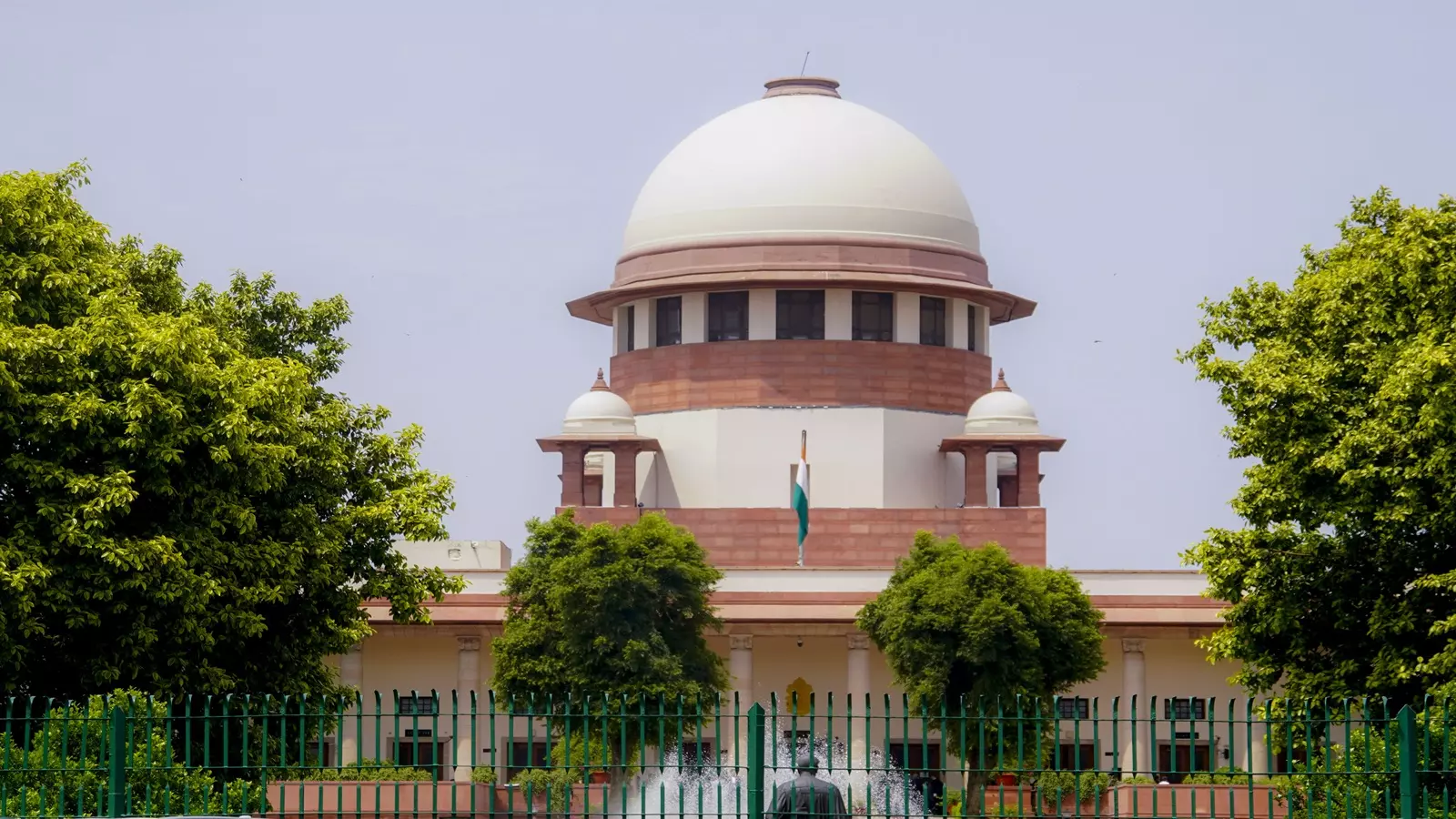
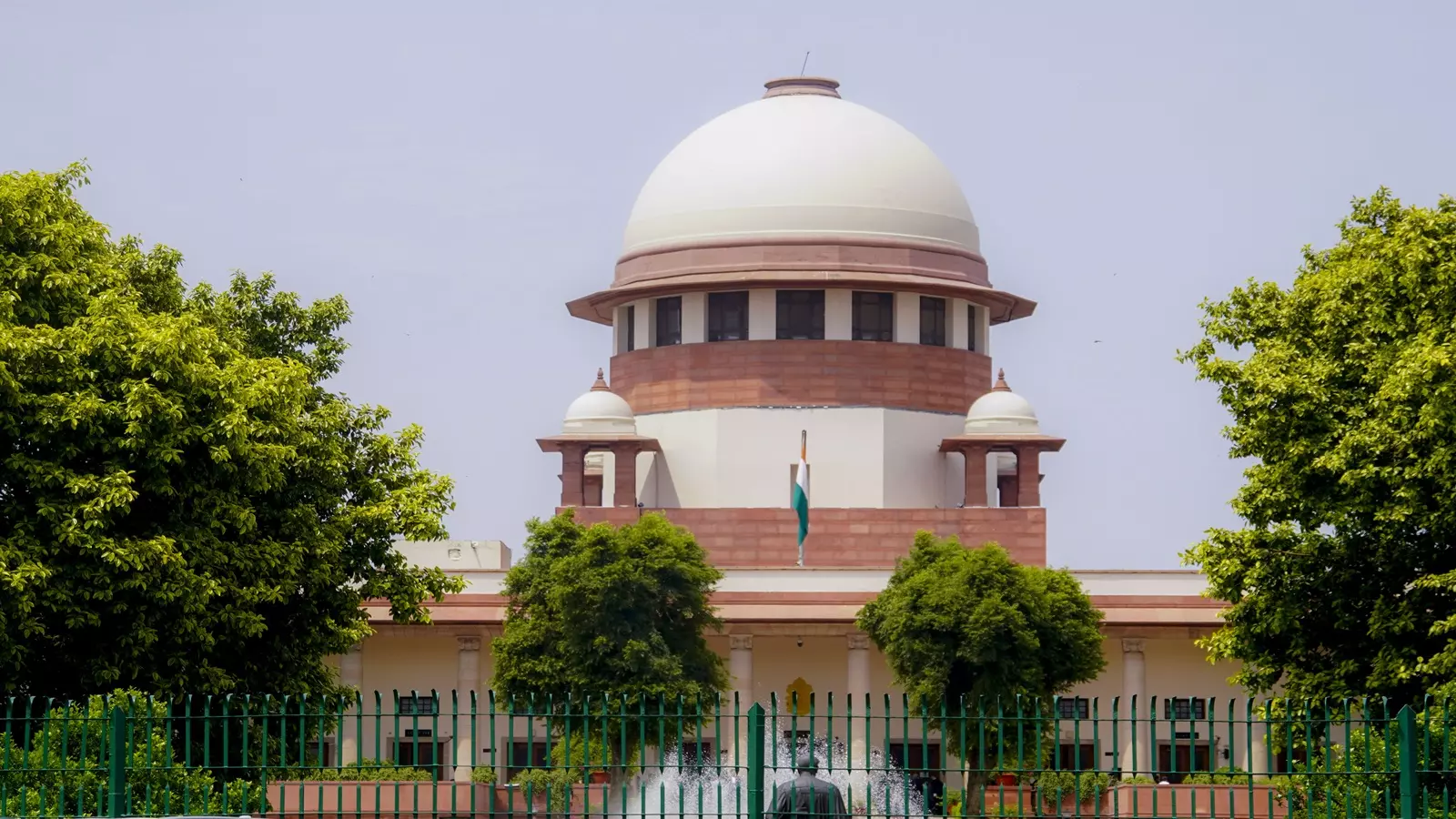
Since April 7, a bench of nine judges at the Supreme Court of India has been considering petitions addressing discrimination against women in religious places and the scope of religious freedom. These include the entry of Muslim women into mosques or dargahs; the entry of Parsi women married to non-Parsis into fire temples; female genital mutilation among Dawoodi Bohras; the interplay between personal law and constitutional morality; and the scope of judicial review of “essential” religious practices.
The Sabarimala temple review concerns the court’s judgment in Kerala that prohibits women aged 10 to 50 from entering the shrine. In 2018, a five-judge bench struck down the age ban on women entering the temple as unconstitutional, as it rested on custom. But in 2019, the Supreme Court held that this judgment may have overreached into the domain of other religions as well and needed a closer look. It chose to keep the petitions seeking a review of the judgment pending and constituted a nine-judge bench to deal with the issue.
The Sabarimala judgment and the subsequent rethink sparked a nationwide debate over women’s access to places of worship.
Take Muslim women. While women are not banned from entering mosques in Islam, in practice, many Indian mosques put restrictions on their entry, insist that they cannot enter through the main door, and set up barriers separating men and women. During the current hearings, the All India Muslim Personal Law Board (AIMPLB) told the Supreme Court that there is no restriction on Muslim women entering mosques to offer namaz, but added that if everyone went to the mosque, who would take care of the children? Who indeed?
Similarly, Parsis, who worship in fire temples, have traditionally restricted entry to Parsis only. A Parsi woman who marries a non-Parsi is considered to have left their ranks and, in most cases, is denied entry to fire temples. But Parsi men who marry outside their community have, at times, faced fewer restrictions, and their children have been treated differently. This question arose during the Sabarimala case hearing, when the court was confronted with a crucial question: Can a religious denomination deny women entry based on their choice of marriage without violating the right to equality?
But is it only equality? In all three cases of Hindu, Muslim and Parsi women, the issue is one of exclusion. While the Indian Constitution guarantees equality between men and women, religious edicts seem to supersede it in practice. Women resort to the courts to seek legal redress for these exclusions. But the desire to exclude women will continue.
The practice of female genital mutilation (FGM), known as khatna, khafz, or khafd, among the Dawoodi Bohras, a Shia community, is not excluded from this category. In this practice, girls around the age of seven are subjected to cuts and incisions that involve the partial or complete removal of external female genitalia. In a PIL filed before the Supreme Court, FGM was described as an infringement of bodily integrity and dignity, a form of sex discrimination, and a cruel and harmful practice.
The connection between the debates on FGM and the Sabarimala issue in India largely centres on the broader constitutional question — whether religious practices can be safeguarded when they violate gender equality and fundamental rights. While it is argued that the judiciary should not intervene in community religious matters and that minority religious practices should be protected, it is also contended that the Constitution is paramount over all religious practices and that harmful practices cannot be protected on the grounds of religion.
Yet they continue to be.
The Supreme Court bench, addressing the judgments on the exclusion of women and violence against girl children in FGM, may go either way. The real work lies within the communities that deeply believe these practices are necessary and desirable. In the Sabarimala case, keeping menstruating women out because the deity being worshipped is celibate is nonsensical.
Women are also considered unclean during this period, even though menstruation is a biological function of women’s bodies, necessary for reproduction, and something women are highly valued for, not to mention needed.
Punishing Parsi women for marrying outside the community is like cutting the nose to spite the face, as their population dwindles rapidly. And similar to other minority communities, they offer incentives to women to have more children, for the sake of the community and its survival.
In FGM, the practice is performed by elderly women in the community and is a rite of passage into womanhood, often to control a girl’s sexuality or to ensure her purity and fidelity for marriage. The procedure causes urinary infections, sepsis, and lifelong physical and psychological trauma, as well as childbirth complications. Speaking out against FGM by women who have experienced it has resulted in their being banished from the community.
Once again, exclusion through expulsion.
Religious organisations are digging in their heels and justifying outdated practices, both in and out of court, rather than reflecting on whether they are relevant today. The women in these communities have been organising, and the movements have gained momentum. They resort to legal action because they feel they cannot make the necessary progress by appealing to the men in power in their communities.
Would the men in the communities — the fathers, brothers, husbands, sons, and male friends of girls and women — challenge the community leaders to bring about change?
The writer is a development and communications consultant