
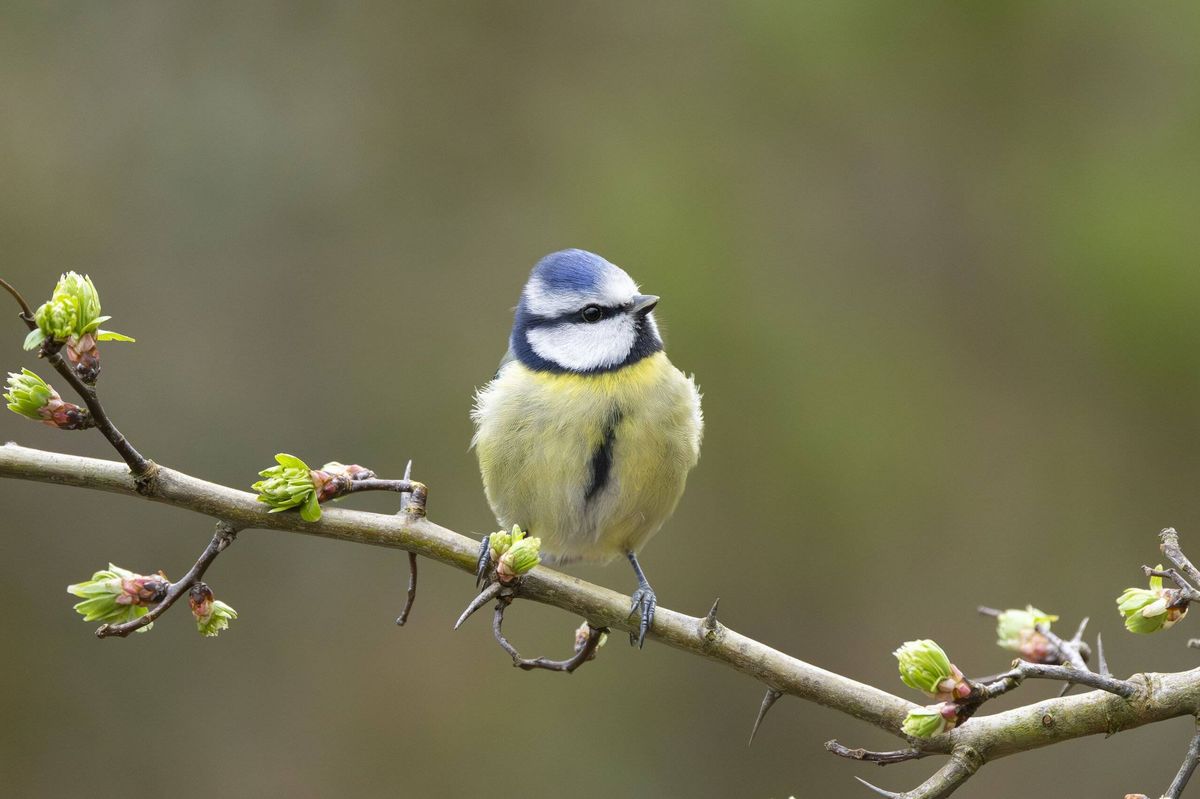
I helped attract a regular flock of blue tits to my garden by making one simple change, and now they are regulars in my back yard – I love seeing them arrive in pairs

Blue tits flocked to my garden after making a simple change(Image: Getty)
Blue tits rank amongst Ireland’s most familiar garden visitors. Distinguished by their striking blue and yellow plumage and distinctive trilling call, these charming birds have long been gardeners’ favourites. With their breeding season kicking off in mid-April, spring presents an ideal opportunity to support them.
Recently, I successfully attracted a steady group of blue tits to my outdoor space, and remarkably, it cost me nothing. While costly feeders or fancy nesting boxes certainly help, that wasn’t my approach.
Instead, I simply provided fresh water for the birds, and it was the blue tits who took greatest advantage of it.
Birds require water daily, not merely for drinking but for bathing too.
Pristine feathers are vital for insulation and flight, while also helping birds regulate their temperature during warmer spells, reports the Express.
Within days of placing fresh water in a shallow bird bath, the blue tits began arriving each morning in pairs or trios, taking full advantage of the facility.
They now seldom leave the garden for extended periods. Since then, I’ve added nesting boxes and food for them.
Occasionally, other species visit my garden, such as pigeons, though blue tits remain the primary visitors.
I’ve also noticed a few robins, which is unusual in my garden, as they typically appear during winter.
Should you provide feed, blue tits are particularly fond of suet balls and suet pellets. However, it’s equally vital to supply water if you’ve got feeders in your garden, preventing birds from having to venture far.
Planting specific greenery and shrubs in your garden can also draw in a variety of birds, including robins and blue tits.
Dense bushes like juneberry are particularly effective, offering protection from harsh weather conditions. These plants also produce fruit that birds can eat.
Want to see more of the stories you love from RSVP ? To add RSVP as a preferred source of news on Google, simply click here