We speak to Dr. Ahmeda Ali about the dreaded illness of the summer months – hayfever, but there are some simple tricks you can use to relieve symptoms without medication

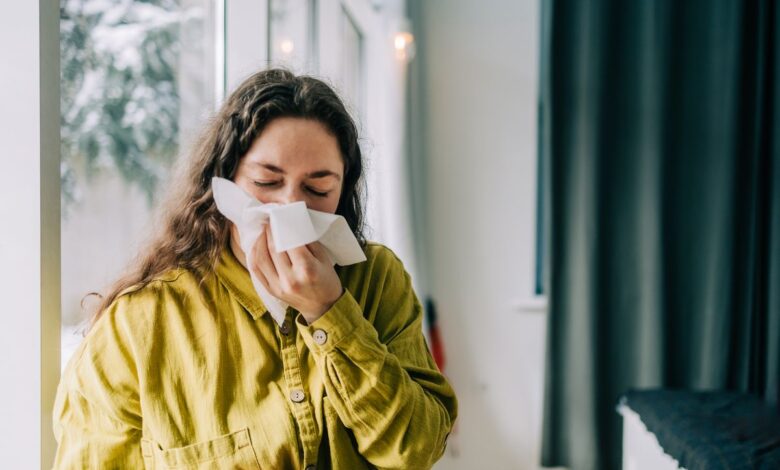
Hayfever can be tough to manage(Image: Olga Pankova via Getty Images)
While we all welcome the warmer and sunnier weather, there’s one thing many people are not looking forward to this summer: hayfever.
Approximately one in five people in Ireland suffer from hayfever, with symptoms ranging from sneezing, coughing, a runny or blocked nose, itchy eyes and sore throat to headaches and feeling tired.
Here, Dr. Ahmeda Ali from webdoctor.ie explains everything you need to know about the condition, from symptoms and causes to treatments.
Causes
“Hayfever is basically our immune system being a bit dramatic,” Dr. Ali explains. “Our immune system has an allergic reaction to pollen, which is completely harmless, but it acts as if it is something dangerous.”
When hayfever sufferers breathe in pollen, their bodies release histamine, which causes sneezing, itchiness and a blocked nose, among other symptoms.
Here in Ireland, grass pollen is the most common trigger, Dr. Ali says, but there is also tree and weed pollen.
“We have quite a predictable pollen calendar in Ireland. From February to April, tree pollen kicks off, such as birch and hazel. Between May to July, grass pollen is the most common. Weed pollen hits high levels from June to September.
“When there is a lot of rain, hayfever symptoms ease, as the pollen has been cleared from the air. Warm, dry and breezy days are the worst for symptoms,” Dr. Ali explains.
Treatments
Many people don’t realise that you can lessen the symptoms of hayfever by taking some practical steps, Dr. Ali says.
Putting a small amount of petroleum jelly just inside your nostrils can be an easy way to alleviate symptoms. “It acts as a pollen trap. It gets stuck before it can enter the nasal pathway.”
Wearing wraparound sunglasses outdoors can help prevent pollen from blowing into our eyes, Dr. Ali adds. “After you come back indoors, I would recommend showering straight away. Changing your clothes when you get home is another easy win.
“I would also advise not drying your clothes on the line outside (as they will be) coated in pollen unfortunately.”
Pollen can enter our homes in many different ways, but particularly through open windows. “Try to keep windows closed during high pollen count times. You can check the pollen forecast on Met Éireann’s website.”
The time of day also affects pollen count, with early mornings and late evenings having a high pollen count. “Make sure windows are closed during these times, and avoid gardening or mowing the lawn.”
Pets can also be a major reason why people experience hayfever inside their home, as pollen can stick to the fur of cats and dogs when they go outside. “Make sure pets are washed regularly.”
Dr. Ali advises people who are driving to hit their car’s air recirculation button, which will prevent outside air from coming into your car.
Hayfever symptoms can be particularly tough to manage at night, so she recommends using an air purifier in the bedroom.
To read the full interview, pick up a copy of RSVP, on shelves now.
Want to see more of the stories you love from RSVP ? To add RSVP as a preferred source of news on Google, simply click here