“Don’t Resign, Declare War On Delhi”: Bangladeshi Jamaat Leader’s Video Sparks Diplomatic And Political Storm Over Mamata Banerjee Remarks

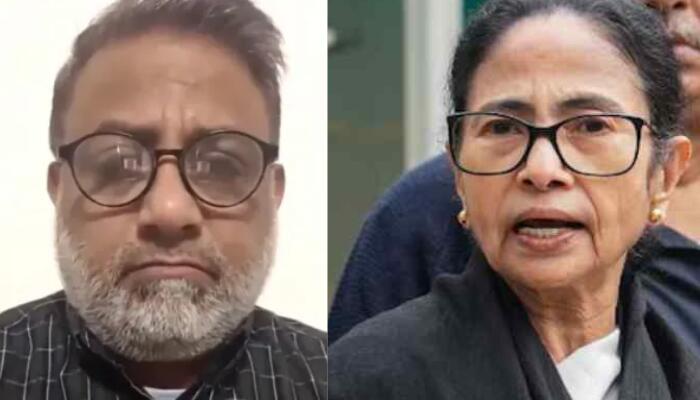
A video message by Bangladesh Jamaat leader Mohammad Nurul Huda has triggered a political controversy in West Bengal. He urged Chief Minister Mamata Banerjee not to resign after her reported electoral defeat. Instead, he called on her to intensify confrontation with the Union government.
The remarks spread rapidly across social media platforms. Their tone and timing quickly turned the video into a political flashpoint. In the message, Huda directly addressed Mamata Banerjee and advised her against stepping down.
“Don’t resign, declare war against Delhi,” he said. The statement soon became the centre of the controversy.
Call For “Independent West Bengal” Draws Sharp Reactions
The controversy deepened after Huda suggested that West Bengal should be declared an independent state. Political leaders across party lines described the remark as highly provocative.
Huda also claimed that 170 million Muslims in Bangladesh would support Mamata Banerjee. The assertion added a cross-border dimension to the controversy and intensified political scrutiny.
BJP Condemns Remarks As Provocative
The Bharatiya Janata Party strongly condemned the statement. BJP leaders called the remarks dangerous and irresponsible. They questioned why a foreign political figure was commenting on India’s internal political affairs.
Several opposition voices also criticised the comments. They described the rhetoric as inflammatory and inappropriate. Concerns were also raised over the rapid spread of such political messaging through digital platforms.
Supporters of Mamata Banerjee, however, dismissed the controversy. They argued that external political commentary has no bearing on West Bengal’s democratic process.
Political Tensions Intensify In Bengal
The episode comes at a time of heightened political tension in West Bengal. Electoral outcomes and post-poll narratives continue to dominate political discourse in the state.
The viral circulation of the video has added another layer to the ongoing political confrontation. Rival camps have used the controversy to sharpen their attacks against each other.
While the authenticity of the video has not been disputed in the provided material, its political implications remain contested. Critics argue the language is escalatory and risks aggravating tensions. Others believe the remarks have been amplified beyond their original context.
As the video continues to circulate online, the controversy has widened into a broader debate on political rhetoric, digital amplification, and cross-border commentary in domestic politics.