Need to know
Hantavirus infections, which circulate in rodents, can lead to severe respiratory illness in humans – here is everything you need to know about what’s happening on the MV Hondius cruise ship

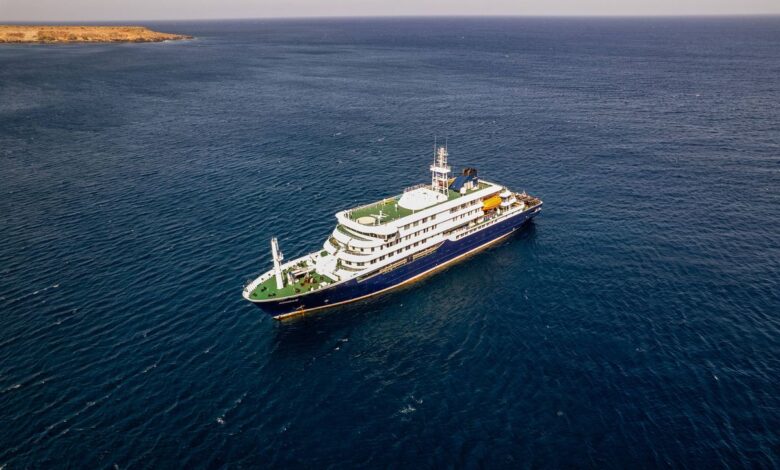
General view of the cruise ship MV Hondius stationary off the port of Praia, the capital of Cape Verde, on May 3, 2026.(Image: AFP via Getty Images)
Two Irish people among 149 are on board a cruise ship where a suspected hantavirus outbreak is underway. Three passengers have died on the cruise ship MV Hondius, which was travelling between Argentina and Cape Verde, according to the World Health Organisation. Here’s everything you need to know:
- Three people have died, and at least three others are ill after a suspected hantavirus outbreak on a cruise ship sailing through the Atlantic Ocean, the World Health Organisation (WHO) said. A British tourist is currently being treated in a hospital in South Africa following this suspected outbreak, according to the country’s Department of Health. Two Irish people are on board.
- Hantavirus infections, which are normally carried by rodents, can lead to severe respiratory illness and can ultimately be fatal. Public Health England reported that these viruses cause a spectrum of human diseases, ranging from mild, flu-like symptoms to severe respiratory illness or haemorrhagic disease.
- The group of viruses causes two serious infections: haemorrhagic fever with renal syndrome (HFRS) and hantavirus pulmonary syndrome (HPS). It is important to note that these infections vary widely in severity, from simple flu symptoms to life-threatening conditions.
- The suspected outbreak was reported on the Dutch-flagged passenger cruise ship MV Hondius, which was sailing from Argentina to Cape Verde. According to the ship tracking website MarineTraffic, the vessel was docked near Praia, the capital of Cape Verde, on Sunday night.
- The UN agency confirmed that at least one case of hantavirus in the suspected outbreak has been verified. According to the South African health authority, the deceased include a 70-year-old man and his 69-year-old wife, both of whom were from the Netherlands.
- Infections are usually spread by infected rodents’ urine or faeces. This transmission route highlights the environmental nature of the virus, making contact with contaminated areas a primary risk factor.
- While the main route is from rodents, the World Health Organisation (WHO) notes that it is rare for hantavirus to spread between people. Currently, there is no specific medical treatment or cure available for hantavirus infections, but early medical attention improves survival chances.
- According to the US Centres for Disease Control and Prevention (CDC), early symptoms of Hantavirus Pulmonary Syndrome (HPS) can include fever, fatigue, and muscle aches. The CDC noted that half of patients also experience other symptoms such as headaches, chills, dizziness, and abdominal problems like nausea, vomiting, and diarrhoea, reports Dublin Live.
- Four to ten days after the initial phase of HPS, the late symptoms begin and involve coughing and shortness of breath. Patients may experience a tightness in the chest as the lungs fill with fluid.
- Initial symptoms include intense headaches, back and abdominal pain, fever/chills, nausea, and blurred vision; later symptoms can include low blood pressure, internal bleeding, and acute kidney failure. Last year, actor Gene Hackman’s wife, Betsy Arakawa, died from a hantavirus infection, with post-mortem findings showing fluid accumulation in her chest and congested lungs.
Want to see more of the stories you love from RSVP ? To add RSVP as a preferred source of news on Google, simply click here