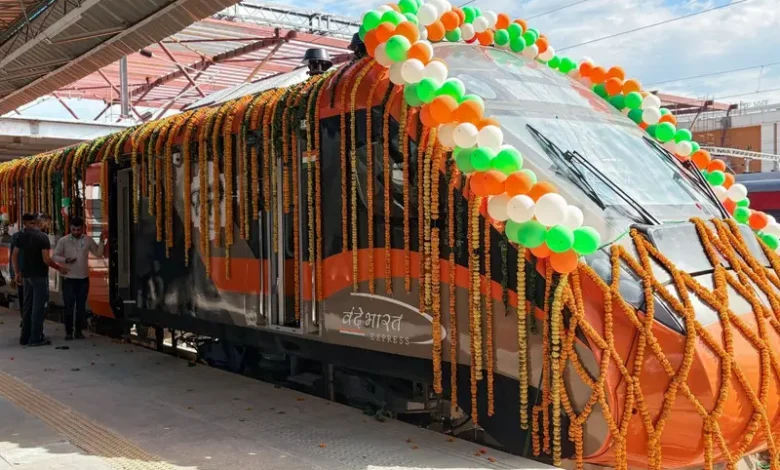
India’s rail infrastructure achieved a historic milestone as the first direct Vande Bharat Express service between Jammu and Srinagar officially began commercial operations. The semi high speed train, flagged off earlier by Railway Minister Ashwini Vaishnaw, is being seen as a transformative development for the region.
For decades, connectivity to the Kashmir Valley has remained vulnerable to weather disruptions, especially along the Jammu Srinagar National Highway. Landslides, snowfall, and road closures often cut off access for hours or even days. With the introduction of this train service, that uncertainty is expected to reduce significantly.
The launch is not just about faster travel. It represents the culmination of years of engineering effort, policy push, and strategic planning to integrate Kashmir more closely with the rest of the country.
Travel time slashed from hours
One of the most significant advantages of the new Vande Bharat service is the sharp reduction in travel time. The train covers the distance of approximately 267 kilometres in about five hours.
In contrast, the same journey by road typically takes between seven to ten hours, depending heavily on weather and traffic conditions. During winter months or periods of heavy rainfall, the highway often becomes unreliable, leading to long delays.
The new train service offers a predictable and comfortable alternative. Passengers can now plan their journeys with greater certainty, without worrying about sudden disruptions.
The Vande Bharat operates on the ambitious Udhampur Srinagar Baramulla Rail Link, widely known as the USBRL project. This rail corridor is considered one of the most challenging railway projects ever undertaken in India.
Built across rugged Himalayan terrain, the route includes a series of tunnels and high bridges that navigate difficult geography. Railway officials have described it as a technological feat, requiring advanced engineering solutions to ensure safety and stability.
The project connects key regions of Jammu and Kashmir, making seamless rail travel possible even in adverse conditions. It is this infrastructure that enables the Vande Bharat to function as an all weather transport system.
Timings and weekly schedule
According to official schedules, two pairs of Vande Bharat trains will operate between Jammu and Srinagar six days a week, ensuring regular and reliable service.
The morning train departs from Jammu Tawi at around 6:20 am and reaches Srinagar at approximately 11:10 am. The return service begins from Srinagar at around 2 pm and arrives back in Jammu later in the evening.
This schedule has been designed to cater to both business and leisure travellers, allowing same day connectivity with sufficient time at the destination.
The train makes halts at several important stations, enhancing accessibility for passengers across the region. Major stops include Shri Mata Vaishno Devi Katra, Reasi, and Banihal.
These stops are strategically chosen to serve both pilgrimage and local travel needs. Katra, in particular, is a major religious destination, and improved connectivity is expected to boost pilgrimage tourism significantly.
Fare structure and ticket pricing
Ticket prices for the Jammu Srinagar Vande Bharat Express are designed to remain accessible while offering premium travel comfort.
The Chair Car class fares range between approximately ₹665 and ₹715, depending on demand and booking category. Executive Chair Car tickets are priced higher, reflecting enhanced seating and onboard services.
Compared to the cost of road travel, especially during peak seasons, the train offers a competitive and efficient alternative.
Passengers can book tickets through multiple platforms, including the IRCTC website and mobile application.
Since bookings opened, the service has witnessed extremely strong demand. Initial runs have reported near full occupancy, indicating high public interest and the urgent need for reliable connectivity in the region.
The surge in bookings also reflects growing trust in rail infrastructure as a preferred mode of travel in Jammu and Kashmir.
All weather reliability
One of the defining features of the Jammu Srinagar Vande Bharat is its ability to operate in challenging weather conditions. Unlike road travel, which is frequently disrupted, the rail system is designed to function throughout the year.
This all weather capability is expected to bring stability to travel plans, particularly during winter when the Kashmir Valley often faces isolation due to snowfall.
For residents, this means consistent access to essential services, markets, and opportunities. For tourists, it ensures a smoother travel experience without the risk of sudden cancellations.
The launch of the Vande Bharat service is expected to significantly boost tourism in Jammu and Kashmir. Easier access to Srinagar and surrounding regions will attract more visitors, both domestic and international.
Tourism has long been a key driver of the region’s economy. Improved connectivity will likely lead to increased hotel bookings, higher footfall at tourist sites, and greater economic activity for local businesses.
In addition to tourism, the train service is expected to enhance trade by enabling faster and more reliable movement of goods and people. Local industries and markets stand to benefit from improved logistical efficiency.
Strategic and economic importance
Beyond convenience, the Jammu Srinagar rail link carries strategic importance. It strengthens integration between the Kashmir Valley and the rest of India, reducing dependency on a single highway corridor.
The project also reflects a broader push towards infrastructure development in sensitive and remote regions. By improving connectivity, the government aims to promote economic growth, stability, and long term development.
Rail connectivity, in particular, plays a crucial role in ensuring uninterrupted access, especially in regions where road networks are vulnerable to natural disruptions.
The completion and operationalisation of this rail route highlight India’s growing capabilities in handling complex infrastructure projects.
Constructing rail lines through mountainous terrain required advanced tunnelling techniques, high bridge construction, and meticulous planning. The success of the USBRL project demonstrates how engineering challenges can be overcome with sustained effort and innovation.
The Vande Bharat train itself represents modern rail technology, offering speed, comfort, and efficiency. Combined with the infrastructure it runs on, it sets a new benchmark for rail connectivity in difficult terrains.
The launch of the Jammu Srinagar Vande Bharat Express marks more than just the introduction of a new train service. It signals a shift in how the region connects with the rest of the country.
By reducing travel time, ensuring reliability, and enhancing accessibility, the service addresses long standing challenges faced by residents and travellers alike.
As demand continues to grow and infrastructure expands further, this rail link is expected to play a central role in shaping the economic and social landscape of Jammu and Kashmir.