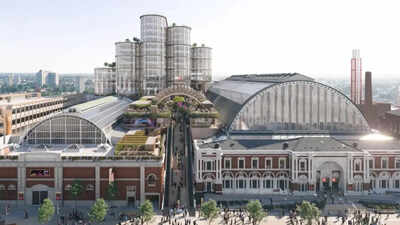
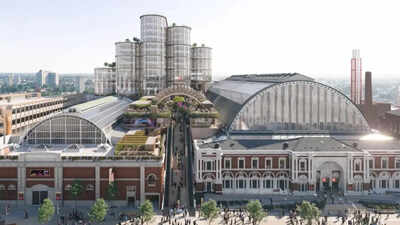
London’s iconic Olympia London is stepping into a bold new chapter. The historic West London venue, known for hosting exhibitions since 1886, is undergoing a sweeping £1.3 billion transformation that aims to turn it into one of the capital’s most dynamic destinations for entertainment, culture and business.Once complete, the reimagined Olympia will blend its Victorian heritage with modern design to create a multi-purpose hub expected to draw millions each year. Backed by investors including Deutsche Finance International and Yoo Capital, the project is projected to inject over £600 million into the UK economy while attracting around 3.5 million visitors annually.
A new cultural powerhouse
At the heart of the redevelopment is a strong push toward live entertainment. A 4,000-capacity music venue, operated by AEG Presents, and a 1,575-seat theatre led by Trafalgar Entertainment will anchor the site. The theatre is particularly notable as the largest purpose-built one in London in over 50 years.Designed by Heatherwick Studio and SPPARC, the project promises a striking mix of innovation and heritage. Features such as immersive digital installations and public spaces aim to transform the visitor experience beyond traditional exhibitions.
Beyond events: Hotels, dining and lifestyle
Olympia’s reinvention goes far beyond performance spaces. Plans include two on-site hotels—a 204-room Hyatt Regency and a 146-room citizenM—alongside more than 30 food and beverage outlets. Early additions like Idalia and Pepperbird hint at a diverse culinary offering designed to attract both locals and tourists.A boutique fitness centre, office spaces and even a co-educational senior school are also part of the blueprint, turning the site into a full-fledged urban ecosystem rather than a single-purpose venue.
Economic boost and job creation
According to projections, the revamped Olympia could see total annual footfall reach 10 million, including residents, workers and visitors. The development is expected to directly support around 7,000 jobs, with an additional 2,000 roles generated through supply chains and related spending.London Mayor Sadiq Khan has called the project one of the city’s most exciting regeneration efforts, highlighting its role in boosting tourism and enhancing London’s cultural appeal.As with many large-scale urban projects, the redevelopment has not been without controversy. Residents initially raised concerns over rising costs, increased footfall and potential disruption. Comparisons have been drawn with the transformation of Battersea Power Station, where rents saw a notable increase post-redevelopment.However, sentiment appears to be shifting. Local businesses are beginning to see the long-term benefits, particularly the promise of increased tourism and customer flow. Site tours for residents have also helped ease concerns and build engagement with the project.
A phased opening
The new Olympia is set to open in phases starting later this year, eventually hosting up to 800 events annually across entertainment, business and cultural sectors.From a historic exhibition hall to a sprawling lifestyle destination, Olympia’s transformation signals a broader shift in how urban spaces are being reimagined, blending culture, commerce and community into a single, immersive experience.