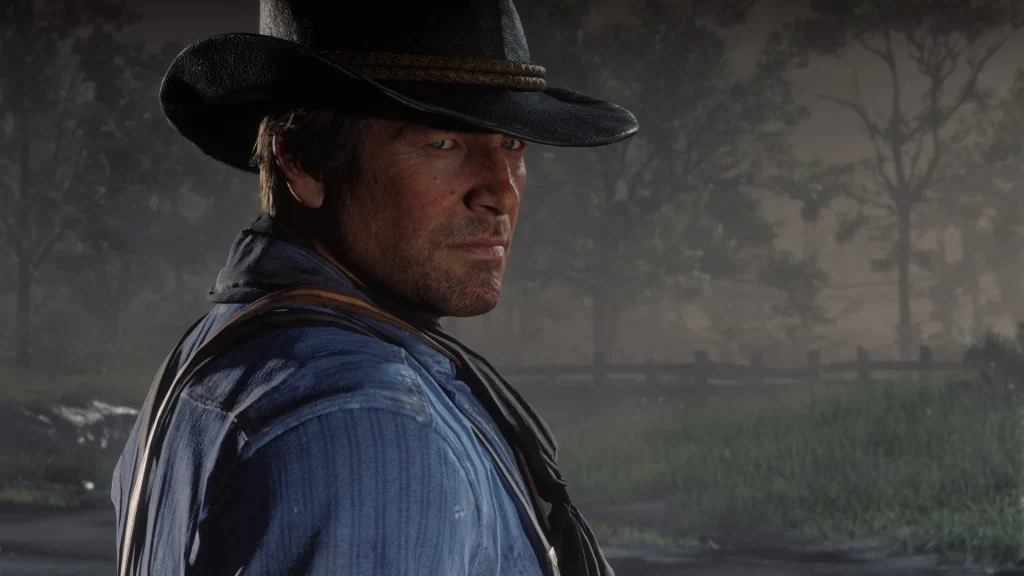
The ongoing production timeline for Grand Theft Auto VI has fundamentally altered development priorities across the interactive entertainment industry. As Rockstar Games concentrates its global workforce on meeting major upcoming release obligations, alternative properties in the publisher’s portfolio, like Red Dead Online, have naturally taken a back seat.
Yet, even when operating in an extended content vacuum, the enduring commercial footprint of Red Dead Redemption 2 remains a primary talking point among market analysts and players alike. A growing sentiment within the gaming community suggests that the game’s multiplayer counterpart, Red Dead Online, represents a failure of corporate execution – a highly lucrative frontier sandbox that its creators prematurely abandoned.
Strauss Zelnick Defends Franchise Longevity
However, Take-Two Interactive CEO Strauss Zelnick does not share this critical perspective. In a recent corporate interview with IGN ahead of the publisher’s latest financial reports, Zelnick directly defended the long-term viability of the Western intellectual property. Pushing back against the narrative that the multiplayer mode was a squandered project, Zelnick leaned heavily on the title’s historic retail performance.
“So let me be clear,” Zelnick stated during the discussion. “There is literally nothing about Red Dead selling 85 million units that could signal a missed opportunity. And Red Dead Online has been immensely successful and long-lasting.”

Zelnick maintained that the overall market perception of the frontier is heavily warped by the fact that it shares an umbrella with the most profitable entertainment assets on earth. “I think if we didn’t have Grand Theft Auto here at our company, then people would just talk about the fact that we have this massive franchise in Red Dead, which we do and of which we’re very proud,” he explained. “I actually personally think Red Dead is just amazing, and I love engaging with it. And I think the reason it continues to sell is that it’s just spectacular entertainment.”
Deconstructing the All-Time Sales Hierarchy
To understand the scale of Zelnick’s defense, it is necessary to examine the raw data on the franchise’s retail presence. An eight-year gap between major series entries typically degrades a title’s cultural and economic footprint. Instead, Red Dead Redemption 2 has achieved a level of market persistence that challenges conventional software lifecycle patterns.
The title recently secured its position as the third-best-selling video game in human history, officially surpassing 85 million copies sold worldwide. This milestone pushes the 2018 title past legendary legacy software like Nintendo’s Wii Sports, placing it directly behind Grand Theft Auto V and Minecraft.
The Economics of a Skeleton Schedule
The fundamental disagreement between the player base and executive management lies in how product “success” is defined. While enthusiasts evaluate a live-service game based on the frequency of narrative expansions and mechanical updates, a publisher evaluates the asset based on operating margins and cash-flow efficiency.
Red Dead Online has not received a core, system-wide content update since July 2021’s Blood Money expansion. Aside from a minor injection of localized Telegram activities last year under the Strange Tales of the West banner, the multiplayer mode has existed almost entirely on an automated monthly rotation schedule.
- Global Lifetime Volume: 85 Million Units: Ships preserve long-term brand equity, ensuring immediate audience retention for future entries.
- Weekly Engagement Base: Over 900,000 Active Players sustain a massive, highly loyal player liquidity pool nearly eight years post-launch.
- Weekly Financial Yield: ~$500,000 in Revenue continues to deliver exceptionally high profit margins against negligible engineering overhead.
- Monetization Metrics: A steady player microtransaction spend rate continues to outperform the industry-standard live-service drop-off trend.

While players view this lack of active development as an unfulfilled promise, internal financial parameters show that the maintenance strategy is highly deliberate. Shifting the core studio workforce to prioritize primary development pipelines allows the asset to generate massive passive value with near-zero overhead.
Zelnick’s enthusiastic framing of the brand has reignited widespread discussion regarding the future allocation of Rockstar’s resources. Though the studio’s current workforce is entirely focused on executing the final production push for upcoming projects, corporate management’s highly favorable view of the Red Dead IP hints at a long-term roadmap.
Market analysts suggest that once the heavy operational demands of the current development cycles normalize, Take-Two will naturally look to leverage its most reliable secondary asset. Whether this long-term strategy materializes as the frequently rumored current-generation console remaster of Red Dead Redemption 2 or transitions into early pre-production planning for an eventual third installment, the current financial metrics prove the brand does not need active development to remain a dominant force in retail entertainment.