
As temperatures soar during the heatwave, many gardeners are worried about plant heat stress — here’s what to do and the key watering mistake to avoid

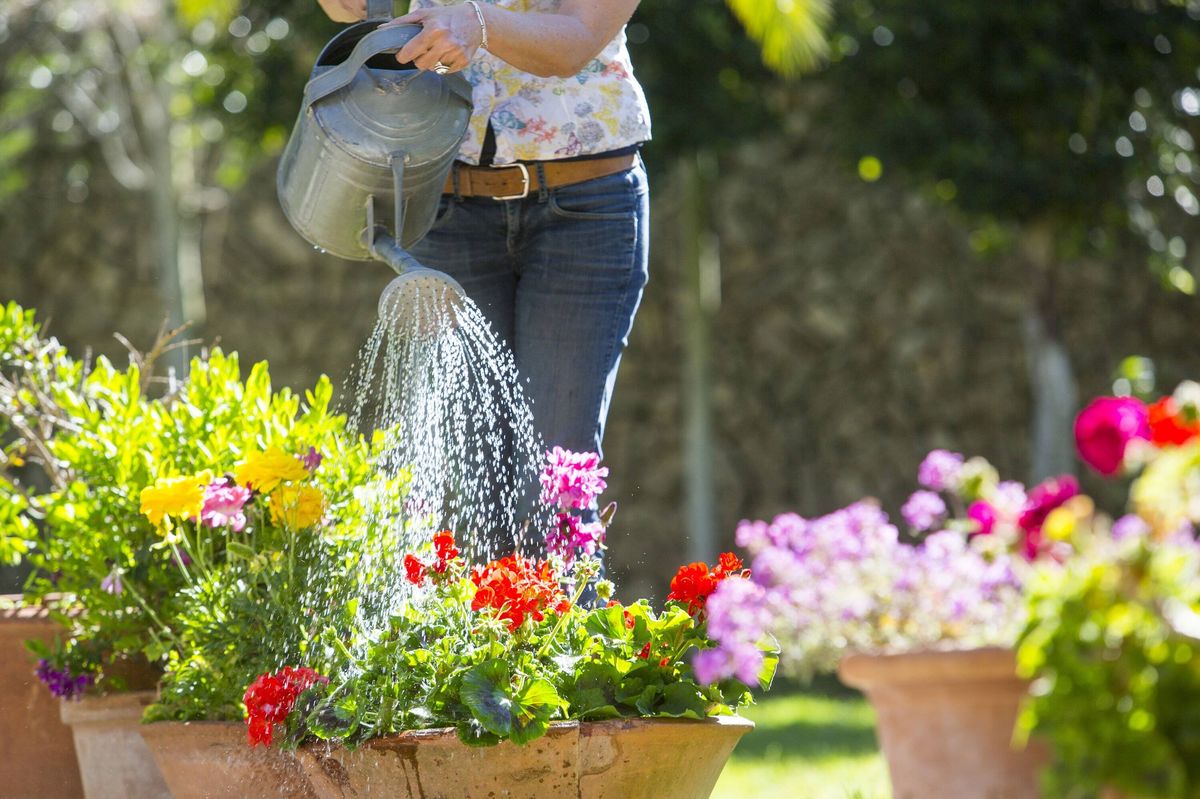
Avoid this one mistake when watering your plants in a heatwave (stock photo)(Image: Getty)
Ireland is basking in very hot weather this week, and the soaring temperatures are affecting everyone – from people to pets, and even our gardens. If you’re passionate about gardening, you’ve probably dedicated much of spring to nurturing your outdoor space, ensuring your plants flourish and your flowers blossom throughout the summer months. However, when a heatwave arrives, it can trigger anxiety for anyone with a green thumb, as there’s always the concern that your plants might not withstand the intense conditions.
While plants require sunlight for development, heatwaves can pose serious threats to vegetation as the blistering temperatures can speed up moisture loss, causing them to become dehydrated far more rapidly. Plants can also experience severe stress during heatwaves, which hampers their capacity to develop, flower, or bear fruit.
Your instinct might be to increase watering frequency when temperatures soar, but according to one gardening enthusiast on social media, this approach could actually be counterproductive. Becca Hickey, an Essex-based gardener who frequently posts updates about her own garden alongside horticultural tips on TikTok, recently uploaded a video explaining precisely what you should and shouldn’t do with your plants during sunny spells.
In a brief clip, Becca was shown tending to the seedlings in her compact greenhouse, as she outlined several practices she would recommend and discourage when it comes to safeguarding plants in “extreme heat”.
The best times to water your plants
Becca kicked things off by outlining the optimal times to water your plants during summer heatwaves. Although it may be tempting to water your plants several times throughout the day, doing so at midday is far from ideal, as the intense heat will cause much of the water to evaporate, reports the Express.
Instead, aim to water your plants first thing in the morning, preferably before 8am, while the sun is still relatively mild. A second watering in the early evening, as the sun begins to dip, is also beneficial, giving your plants ample time to absorb moisture overnight.
Should your plants require a midday drink, Becca warns against a frequent gardening blunder — never let water settle on the leaves. Tiny droplets of water can act as a magnifying glass for the sun’s rays, and in some cases, this can be sufficient to scorch your plant’s foliage. To avoid any unnecessary damage, always direct water towards the base of the plant, close to the roots.
How to protect plants from the sun
Certain plants thrive in direct sunlight and, provided they receive adequate water, will cope well with the heat. However, if you have young seedlings or shade-loving varieties that are being exposed to too much sun, it’s essential to take measures to shield them. Becca suggests using umbrellas, parasols or sheets to provide shade throughout your garden. For seedlings housed in compact greenhouses, draping a lightweight sheet over them can offer protection if natural shade is unavailable.
She also highlighted the benefits of mulch for moisture retention. Mulch is a protective layer spread over the soil surrounding plants, serving to lock in moisture, prevent weeds, control soil temperature and boost overall soil quality.
You can create mulch from organic options like bark chips, wood chippings, compost or straw, as well as inorganic alternatives such as gravel and slate chippings, which don’t decompose but still help preserve moisture. Additionally, if your lawn needs cutting, freshly mown grass clippings work brilliantly as mulch.
Want to see more of the stories you love from RSVP ? To add RSVP as a preferred source of news on Google, simply click here