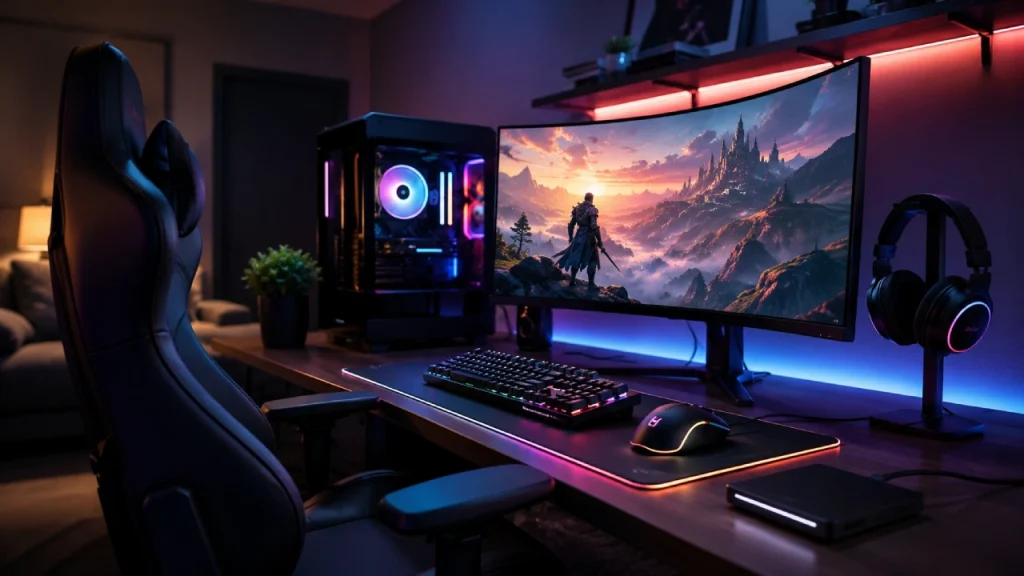
In a cramped dorm room in Mumbai, a student named Aarav adjusts his mouse cable for the third time. The tournament timer reads one minute. His wireless signal flickers once, a stutter in the feed that costs him the match. Not because he lacked skill, but because a mid-range sensor missed his final flick shot, lack of the right Esports gear.
There’s a quiet heartbreak that comes from losing to equipment. You tell yourself it isn’t about money, yet it always is, somehow. In the world of esports, precision has a price tag. And for millions of young players across developing economies, that price feels just a little out of reach.
Where once “gaming gear” sounded extravagant, now it’s a career investment, an academic aspiration, even a social currency. Who you are in the virtual arena sometimes depends on what’s sitting under your fingertips.
So, how far do you go for that perfect click?
What Esports Gear Really Is — Without the Buzzwords
Strip away the marketing and esports hardware is about three small things doing unimaginably large work: the mouse, the keyboard, the headset.
Each translates human intention into digital motion. Every twitch, macro, whisper, or command becomes a fraction of a second that can define victory. Sensors interpret movement, mechanical switches convert touch into timing, and microphones turn voice into teamwork.
The irony? This hardware isn’t built only for elite stadium players. It’s designed for anyone trying to shave milliseconds off a reaction time or make a late-night video edit from a bedroom studio.
The line between “pro gear” and “daily gear” has blurred. But is that compression of worlds empowering or exhausting?

Where It Actually Shows Up in Daily Life
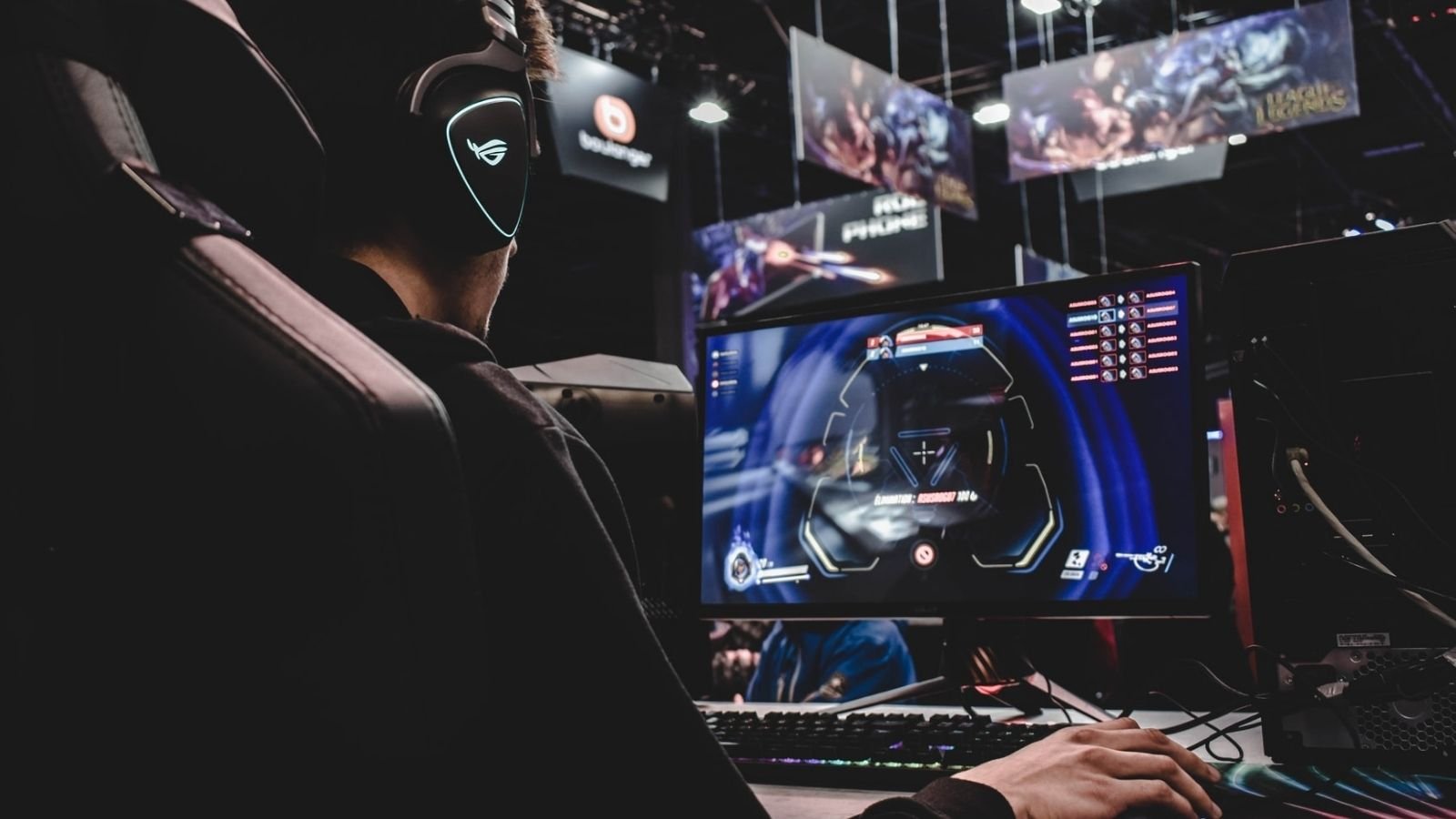
Walk through any modern university, and you’ll see esports creeping in at every level. Students stream between lectures, record commentary, edit highlight reels, or practice scrims like athletes with study schedules. That gear under their hands isn’t just for games; it’s for content, collaboration, even classwork.
A quiet professional in Lagos might use the same mechanical keyboard for spreadsheet efficiency by day and ranked matches by night. A family in Manila shares one headset between siblings, with one creating YouTube tutorials, the other trying to qualify for an online league.
The habit spreads through coworking spaces too. Designers, coders, marketers, many prefer esports gear for its durability, quick actuation, and tactile feedback. The lines have blurred so deeply that the same keyboard might click its way through both a gaming clan match and a PowerPoint deadline.
But when everything from your income to your identity runs through those peripherals, what happens when they fail you?
How It Affects Different Types of People
Students
For students like Aarav, the decision of buying proper esports gear is practical and emotional all at once. A $100 mouse might mean skipping a few dinners at the campus canteen but it also means gaining an edge that scholarships increasingly notice.
University esports programs are growing, and skill footage can lead to sponsorships. Still, there’s guilt sometimes, trading essentials for peripherals. Did you just end up buying ambition or luxury?
Budget-Minded Families
For families trying to nurture their child’s hopes without draining household funds, esports gear can feel like both opportunity and risk.
A parent in Jakarta recently confessed online, “We sold my old phone so my daughter could get a proper keyboard for her scholarship tryouts.” She said it quietly, not with pride, but with pragmatic faith. In many homes, the gear becomes a symbol of seriousness, proof that this isn’t just play.
Young Professionals & Creators
For young professionals, the stakes change shape. The same microphone that captures laughter during late-night gaming may also be the one that records client calls or streams tutorials. A good mic builds clarity and credibility. The weight of presentation has shifted; even amateurs need broadcast quality now.
But the expense hits especially in economies where imports double in price through tariffs.
Small Businesses
Then there are small gaming cafés, creators’ collectives, or fledgling esports bars in Nairobi or Bogotá. Every device choice becomes a cost-benefit equation: replace one headset, lose a day of profit.
Yet competing in a digital-first entertainment economy demands staying current. Their struggle mirrors the world’s digital divide, except here, the delay isn’t in broadband, but in the click.
And as accessibility widens unevenly, who gets left several frames behind?
Where It Falls Short
The promise of technology is smoother play, sharper response, purer sound but the lived experience is rarely so seamless.
A headset’s “noise-canceling microphone” may fail to mute the neighbor’s construction. A sensor designed for 8000 DPI might jitter on a plastic desk mat.
Maybe worse, not all esports gear is built to last. Many mid-range devices degrade quickly under heat and humidity.
Warranties can feel useless when returns span continents.
Some players, pressed between affordability and aspiration, end up in a strange limbo, where they are good enough to compete, but not well-equipped enough to win consistently. Tools meant to empower end up dividing.
How do you measure fairness in milliseconds?
The Negative Consequences People Don’t Talk About
Beyond the financial strain, there’s psychological weight. The subtle envy scrolling through sponsored influencers flaunting $200 headsets can chip away at self-worth.
Then there’s noise being literal and metaphorical. Mechanical keyboards echo through shared rooms, and parents scold about “clicking all night.” In households with paper-thin walls, gear designed for immersion sometimes isolates instead.
Even the ergonomics tell a story of mismatch: wrist strain from heavy switches, migraines from tight headset clamps, sensory overload from RGB glare.
Esports gear markets endless performance, seldom resting.
So at what point does passion tip into pressure?

Pros and Cons
| Aspect | The Bright Side | The Rough Edge |
| Mouse sensors | Incredible precision, speed, and energy efficiency | Pricey to replace if damaged or outdated quickly |
| Mechanical keyboards | Tactile satisfaction, longevity, customization | Loud, tiring for long work sessions, sometimes overkill |
| Headsets | Crystal-clear game and call audio | Prone to wear, poor budget models distort |
| Brand ecosystems | Streamlined design, integrated software support | Lock users into costly upgrades over time |
| Aesthetics | Morale boost, visual pride, brand identity | Sometimes masks mediocre performance |
| Community influence | Motivation, skill sharing, aspiration | Peer pressure, unnecessary spending trends |
If these trade-offs sound familiar, they probably mirror your own internal debate: comfort versus cost, inspiration versus indulgence.
What tips your scale?
A Practical Reflection Checklist
- Does this gear solve a real limitation, or just patch insecurity?
- Would I value it if no one saw my setup?
- What am I trading away financially to achieve marginal gains?
- Is this purchase about passion or belonging?
- Can I maintain or repair it locally if it breaks?
- If headlines about esports vanished tomorrow, would I still feel the same urge to upgrade?
Reflection sometimes saves more performance than specs do.
So, what’s your next move, replace, repair, or rethink?
Pricing & Accessibility
The mid-tier sweet spot lies around:
- Gaming mice: $40–$70
- Mechanical keyboards: $80–$150
- Headsets: $60–$120
The hard truth is that “budget” in one currency equals “luxury” in another. In parts of Latin America or Africa, import duties nearly double those figures.
Many rely on secondhand markets or community recycling networks.
Global brands have started slow pivots, with modular gear, regional pricing, and repairable designs making small dents in accessibility barriers. Still, true inclusivity isn’t about discount codes; it’s about reliability where infrastructure lags.
When the barrier to entry shrinks, will creativity finally expand?
Final Thoughts
Esports gear isn’t glamorous when stripped of marketing, it’s intimate.
It remembers touch pressure, reaction anxiety, small triumphs at 2 AM. For every flash montage streamed online, there’s someone behind it adjusting a loose USB cable, or waiting until payday to replace a fraying mousepad.
The truth isn’t binary.
Some people need premium gear; others simply need gear that doesn’t fail mid-match. What connects them is pursuit, the desire to perform closer to their intentions.
Buy if you must, but buy awake. Hold each click accountable to your priorities. Let your tools amplify creativity, not insecurity.
You already have the reflexes.Do you still trust your own hands?