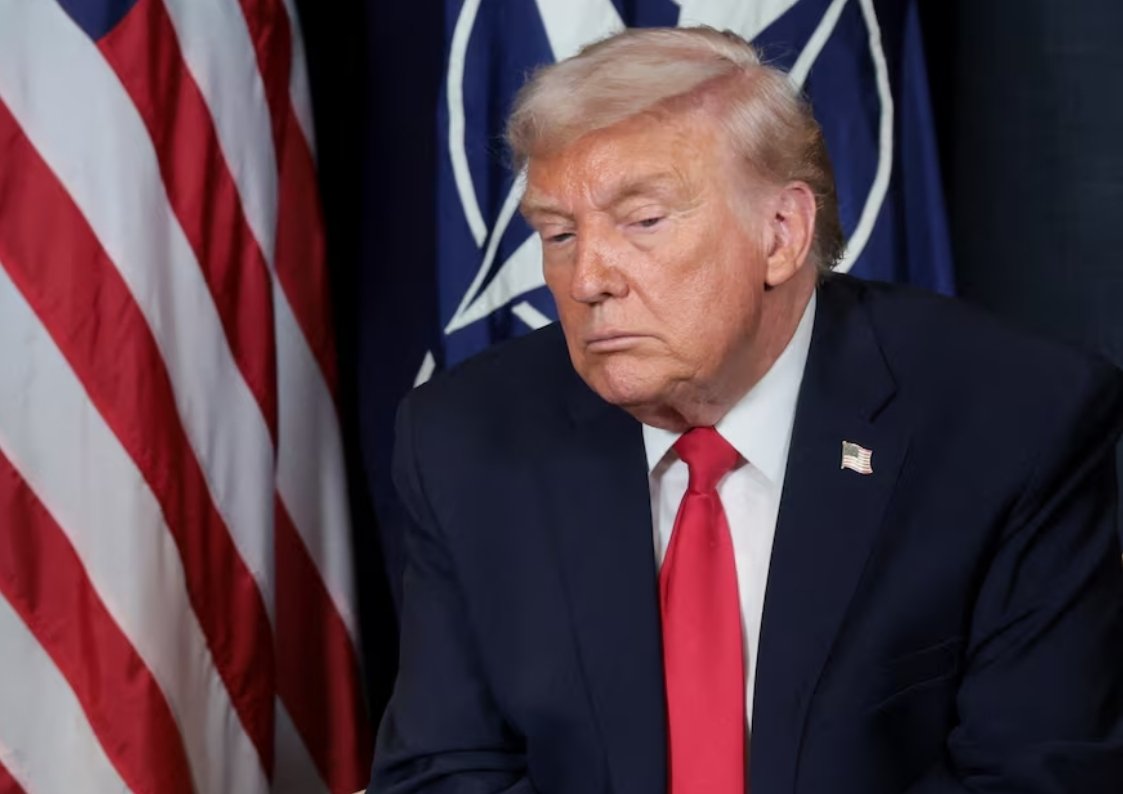
Washington – Former US President Donald Trump’s critical remarks over NATO’s handling of tensions related to Iran have reportedly triggered fresh friction within the alliance, raising concerns over unity and coordination among member states.
The controversy emerged after Trump expressed anger over what he described as inadequate support from NATO allies during escalating geopolitical tensions involving Iran and key maritime security routes in the Middle East, including the strategically sensitive Strait of Hormuz.
According to diplomatic sources, Trump’s comments revived long-standing debates over burden-sharing within NATO, with particular emphasis on the level of military and logistical support provided by European member states compared to the United States.
European officials have pushed back against the criticism, stating that NATO was not formally engaged as a unified military actor in the Iran-related tensions and that individual member countries had already contributed in limited capacities based on their national policies and security assessments.
The dispute has further highlighted existing divisions within the alliance over defense spending, strategic priorities, and the extent of NATO’s involvement in conflicts outside its traditional European theater. Analysts believe the Iran issue has now become another flashpoint exposing internal disagreements over the bloc’s global role.
Reports suggest Trump has repeatedly criticized NATO’s reliance on US military strength, arguing that continued imbalance in contributions could weaken long-term cooperation and force Washington to reassess its commitments to the alliance.
Meanwhile, European leaders have sought to contain the diplomatic fallout by reaffirming their commitment to collective defense principles while also calling for better coordination on Middle East security and energy route protection.
Security analysts warn that prolonged political friction could impact NATO’s strategic cohesion at a time when global instability and regional conflicts are already testing the alliance’s operational unity.
Despite ongoing diplomatic efforts, the latest exchange underscores deep-rooted differences among NATO members regarding the handling of Middle East crises and the future direction of the alliance.
This story has been reported by PakTribune. All rights reserved.