
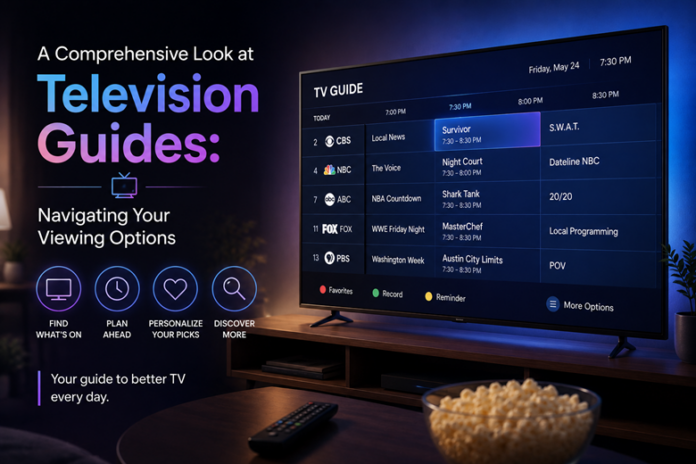

When choosing TV programmes for a particular day, it was a straightforward decision to just flip through the papers in this day’s lists. Things are far more complicated now, with plenty of channels and digital platforms with a myriad of content being offered on an around-the-clock basis. Thankfully, there are now tools such as Freeview’s tv guide made easier to select content and make for a better viewing experience.
The Evolution of Television Guides
Over the years, TV guides have become highly different. It was mainly in the printed version where they used to be found, and they offered only little information on programmes, time slots and short descriptions. With the development of technology, EPGs were introduced into digital television sets to provide the latest information in real time and to have an interactive approach.
Digital tv guides can be found today on a variety of devices and platforms, such as smart TVs, computers, tablets, and smartphones. These guides don’t merely provide a listings guide, they can also be used to set reminders, note programmes and, incredibly, to view live television, making the end-to-end television experience more suited to the individual desires of its users.
Features of Modern TV Guides
Nowadays, the tv guide is far from any kind of listing. These guides bring the latest functionalities and improve a viewer’s experience of the content. A great deal of them feature search type features, filters and customised suggestions for viewers. This curation allows viewers to easily connect to the relevant content and this will save them from wasting too much time browsing.
Moreover, these guides enable them to be built into streaming platforms, letting customers transfer from classical broadcast channels to the web stream, all inside the host scripting dashboard. The viewer will thus be able to experience the best of both worlds without hindrance.
Utility in the Age of Streaming
Now that there’s the super convenience of ‘streaming’, viewing habits have changed. In spite of this evolution, the use of an organised and structured tracking of the available content is immutably maintained. Modern television guides meet the need by providing a comprehensive overview of all the television choices available, whether live or on-demand, and tailored to everyone’s viewing preferences.
This is important since it ensures continuity and organisation with the increasing number of content opportunities. If people like to have some definition in how they view, then these guides are important to show them how to navigate content that is ever-growing and increasingly complex.
Importance of Personalised Recommendations
One of the most predominant characteristics of the modern-day tv guides is personalisation. Using these guides, one could use a users viewing history and interests to recommend programmes or channels for them. This can help meet the quality of the video viewership, while also enabling them to explore video material they have possibly never found.
The customisable nature of this is essential for today in which the amount of material to deal with might be overwhelming. Tailor-made options will enable viewers to narrow down their options, optimising their tv viewing experience.
The Role of Interactive Features
One of the characteristics of digital guides is their interactivity. Live pause, rewind and instant jump-to capabilities bring a level of viewers’ control to their viewing. For me, this sort of interaction would not have been possible with the old TV guides, and, of course, there have been enormous developments in this area of the technological field within the last ten years.
The interaction is also extended to the viewer’s interaction with content. Users have the opportunities to give feedback, rate programmes, and even to share their recommendations through social media platforms which further enhances the user-Content-building sequence.
Challenges Facing TV Guides Today
Although there are numerous advantages, there are also some disadvantages to modern tv guides. Some tasks, such as staying up-to-date with the vast amount of content that’s accessible on different platforms. New channels, streaming services and more are continually being released, guides need to be constantly updated so viewers can get the latest information.
There may be a problem with findability as well – viewers might struggle when trying to find certain titles, having to see through all the available programmes. Search and filter options must be well-developed and easy to use to keep a viewer’s trust.
The Future of TV Guides
What may be the future of television guides is even more integration and personalisation. Recent AI innovation and machine learning will make it easier for the guides to make finer viewing suggestions and predict mine viewing preferences more closely.
Besides, with the popularisation of VR and AR, there is a possibility that how guides present the information may change in such a way that users experience information in completely new ways.
Conclusion
Television guides will continue to be crucial for navigating the media landscape. As technology advances, more guides will be developed to meet the ever-changing demands of viewers. The tv guide of Freeview illustrates the standard of modern times, presenting a hefty quantity of attributes that produce discovering of content simpler than ever. The tools still remain a pivotal part in the development of habits and preference of viewers.