
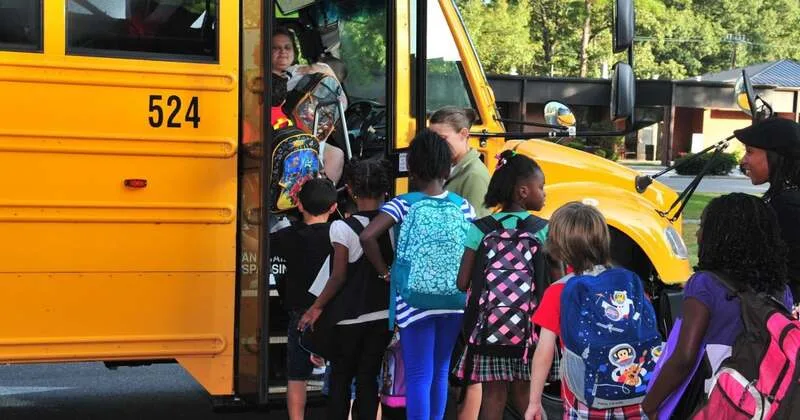
Washington: The sharp rise in diesel prices triggered by the US-Israeli war on Iran is placing mounting pressure on already strained school district budgets across the United States, forcing administrators to cut spending, tap emergency reserves, and rethink transportation strategies just to keep schools operating. From rural Alaska to farming communities in Washington State and school systems in Texas and Minnesota, education officials say the fuel crisis has become one of the most immediate domestic consequences of the conflict in West Asia. The war, which disrupted roughly one-fifth of global oil supplies, has caused fuel prices to surge at one of the fastest rates on record, sending shockwaves through transport-dependent public services.
For many school districts, diesel is not simply a transportation expense. It powers buses, heats classrooms, and runs generators that keep schools functioning in remote communities. Administrators now warn that if prices continue climbing, educational services and staffing could face severe reductions.
Districts forced to drain reserves and cut costs
School bus operators in the United States are among the country’s largest consumers of diesel fuel, using more than 800 million gallons annually, according to the American School Bus Council. Since December, the price paid by U.S. vehicle fleets for diesel has climbed 67 per cent to $5.52 per gallon, according to an analysis by fleet management technology company Samsara. The increase could add nearly $1.8 billion annually to the cost of operating school buses nationwide. Education officials say the suddenness of the increase has made it almost impossible to budget effectively.
James Rowan, executive director of the Association of School Business Officials International, said districts can usually plan for gradual increases in operational costs, but sudden spikes create a financial crisis.
According to a survey commissioned by the School Superintendents Association (AASA), nearly one-third of U.S. school districts are diverting money from other programmes or operational funds to pay for higher fuel bills. Almost one-fifth are already using reserve or “rainy day” funds to maintain transportation services. The survey, conducted during the week of May 4 and shared with Reuters, gathered responses from 188 school officials across the country. It revealed widespread efforts to reduce fuel consumption and control spending. Districts are consolidating bus routes, enforcing anti-idling rules, delaying maintenance work, reducing administrative expenditures, and reconsidering fuel purchasing strategies.
In Yakima, Washington, Superintendent Trevor Greene described the situation as overwhelming for a district already struggling with underfunding and poverty. “It’s more than a straw on the camel’s back, it’s like a haystack,” Greene said.