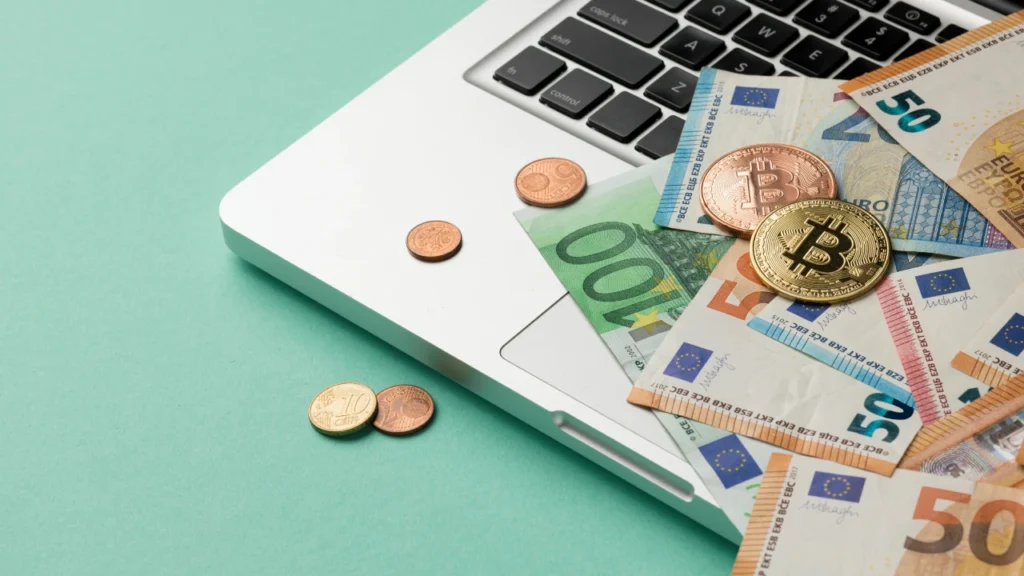
Stablecoins Explained: At a small café in Manila, barista Maria loads her phone’s crypto wallet and stares at a notification: her weekly pay, sent in USDT. It lands instantly, with no bank queue, no delay.
For her, it’s liberation. But her co-worker frowns; last month, a glitch froze his balance for days. He jokes that the “stable” coin is sometimes the most unstable thing in his wallet.
Stablecoins were meant to quiet the chaos of crypto, being a soft center in a volatile market. Yet as more people and small businesses hold and move these digital dollars, the line between promise and peril blurs.
From students in Kenya paying tuition to freelancers in Argentina shielding savings from inflation, stablecoins have become a lifeline.
But whose promise are they trusting? And how safe is that anchor beneath the surface?
What Stablecoins Really Are Without the Buzzwords
In theory, stablecoins are the digital children of both worlds: the speed of crypto, the reliability of fiat. They peg their value often 1:1 to a traditional currency such as the US dollar. Behind each token, there’s supposed to be an equivalent reserve: cash, short-term treasuries, or other assets that guarantee redemption.

But “supposed to” is doing heavy lifting there. Not all stablecoins live up to this claim.
Some are overcollateralized, some algorithmic (the ones that broke infamously), and others depend on a mix of opaque instruments. If you picture a dollar bill sitting safely in a vault for every token circulating online, you’re imagining a cleaner picture than reality.
It helps to think of stablecoins less as “digital cash” and more as IOUs backed by varying degrees of credibility.
The key question isn’t only, “Is it stable?” but “Who makes it stable and how?”
Stablecoins Explained: Where It Actually Shows Up in Daily Life
For someone in New York buying NFTs, a stablecoin might just be a transaction medium. But for millions elsewhere, it’s far more.
In Lagos, merchants accept USDT because local currency devaluation makes pricing unpredictable by the hour. In Turkey, families hold savings in stablecoins as insurance against inflation.
Freelancers in India and Indonesia use them to bypass rigid banking systems when dealing with foreign clients. Even students saving for tuition abroad find stability in digital dollars when their local banks restrict transfers.
The irony, of course, is that the stability they find often depends on invisible mechanics they can’t verify. It’s like catching underground WiFi — invisible, convenient, and vulnerable to sudden cutoffs.
Yet convenience tends to silence those doubts, at least until something cracks.
What happens when a convenience becomes an instinct — when people start trusting an app more than a bank?
How It Affects Different Types of People
Students
For students juggling scholarships, digital wages, and rising fees, stablecoins simplify cross-border payments. A deposit from a crowdfunding page can appear in minutes instead of weeks.
But volatility in regulation or sudden delistings on popular wallets can freeze their funds overnight. One Singaporean student recounted how his stablecoin balance vanished temporarily when his app lost a licensing deal; it came back, but the shock lingered.

Budget-Minded Families
Families chasing small returns or cheaper remittances are quietly using stablecoins to send support home.
A father working in Dubai might transfer USDT to his family in Bangladesh through unofficial channels that charge lower fees than traditional remittance firms.
Yet these same families often don’t know where their tokens sit, or whether their “digital dollars” are accessible in emergencies. Trust is personal, not institutional.
Young Professionals
The attraction for young professionals isn’t just speed. It’s control, the sense of owning assets beyond the reach of fluctuating local markets. Stablecoins feel like a kind of sovereignty, a private safety net.
But that sense can be deceptive. If a stablecoin issuer faces scrutiny or an exchange suspends withdrawals, control evaporates instantly.
Small Business Owners
Small businesses that accept stablecoins enjoy lower fees and faster payments. But they also face headaches: tax ambiguity, bookkeeping nightmares, and compliance gray zones.
A bakery in Buenos Aires moving partly in stablecoins once found its transaction history rejected by auditors because “blockchain records aren’t bank statements.”
Can these groups build reliable plans on a system still scrambling for regulatory identity?
Where It Falls Short
The cracks show when you follow the money backstage.
Most stablecoin issuers publish reserve attestations, but not all offer full audits. Some rely on short-term debt instruments; others mix treasuries with commercial paper or cash equivalents. During stress events, those reserves can become harder to liquidate.
A run on redemptions could quickly expose thin liquidity, and history shows the crypto world moves in herds when fear hits.
Even when reserves are sound, consumers face practical instability. Exchanges can freeze withdrawals for “compliance reviews” with little explanation.
Wallet services dissolve overnight. Tokens live and die on reputational trust, yet that trust is often buried in fine print that few ever read.
What does accountability look like when laws lag, and users shoulder the risk?
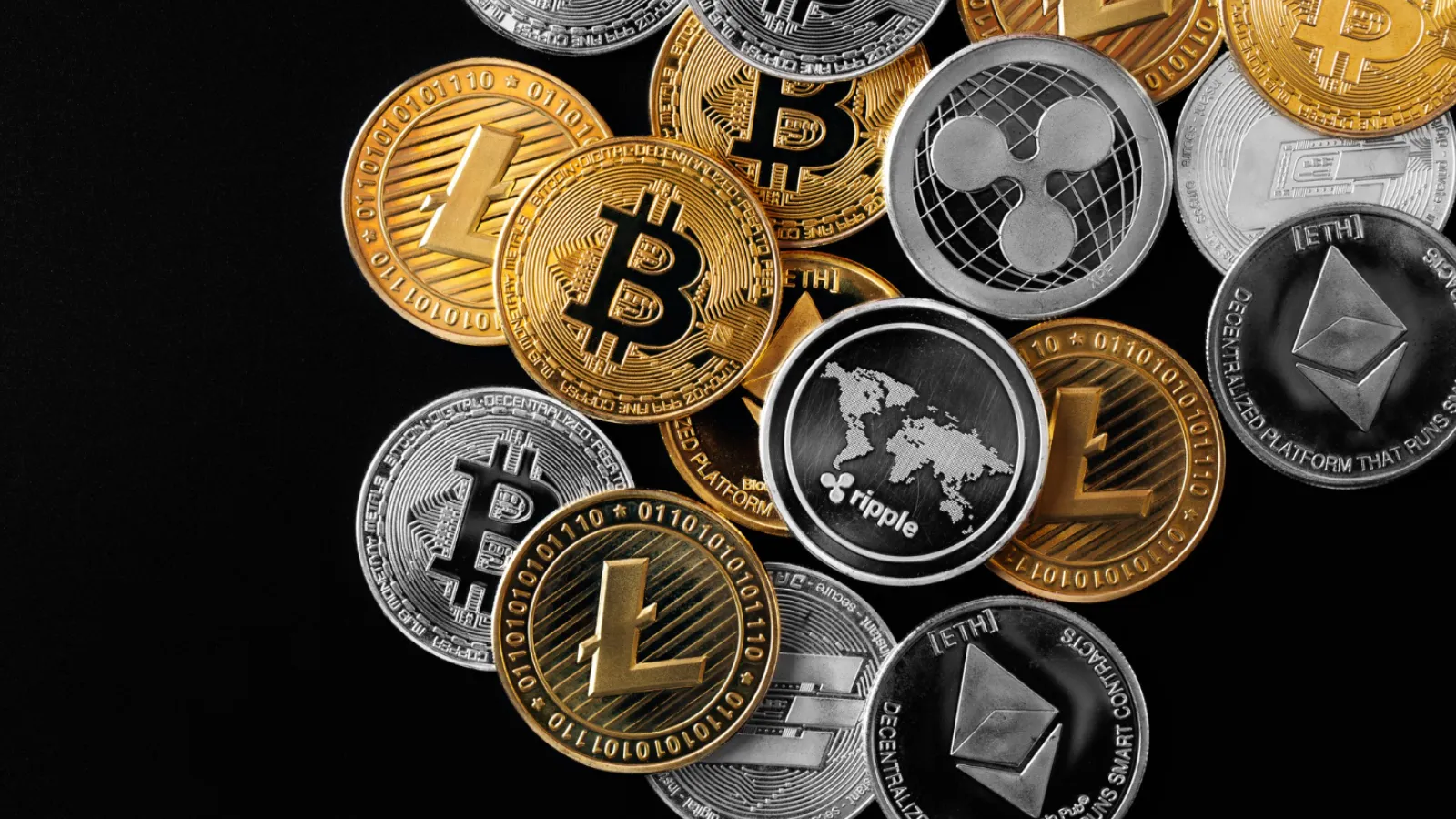
The Negative Consequences People Don’t Talk About
Stablecoins may empower, but they also blur borders, and not always cleanly.
- Regulators worry about undeclared flows, illicit finance, and the gradual erosion of monetary sovereignty. For ordinary users, there’s a subtler erosion: overconfidence.
- People forget that a token pegged to a dollar isn’t a dollar itself. If a government bans crypto operations or blocks exchanges, redemption becomes theoretical. In developing economies, this dependence risks a shadow financial system where stability depends more on software updates than fiscal policy.
- And then there’s digital inequality. Accessing stablecoins needs smartphones, internet, and some technical literacy, thereby shutting out those who might benefit most.
Is this new stability truly inclusive, or just reshaped privilege?
Pros and Cons
| What Works | What Doesn’t |
| Fast global transfers at low cost | Hidden reserve risks and poor transparency |
| Inflation hedge in unstable economies | Dependence on tech infrastructure |
| Easier cross-border freelancing income | Volatile regulation and sudden bans |
| Pseudo-dollar access in weak currency markets | Exposure to exchange failures and hacks |
| Simplified remittances for migrants | Complex tax and audit compliance |
| Sense of financial autonomy | False perception of safety |
After all that, stability begins to sound relative, doesn’t it?
A Practical Reflection Checklist
Before adopting a stablecoin for daily use, it’s worth pausing over a few quiet questions:
- Does this solve a real problem for me, or just offer novelty?
- Do I know who issues this coin and where their reserves sit?
- Can I afford the risk if a wallet or exchange locks my funds?
- Am I chasing convenience or genuine control?
- Would I still trust this system if regulations tightened tomorrow?
- If headlines stopped talking about it, would it still feel essential?
Sometimes reflection saves more than a security audit.
Pricing & Accessibility
Most stablecoins promise the simplest math of all — one token equals one dollar. But in practice, small spreads creep in.
During high demand, traders might pay $1.002 for a USDT; in panic, it could fall to $0.98. For users in countries with capital controls, local sellers could charge premiums as high as 5–10%, quietly eroding that promised parity.
Accessibility follows a strange curve: easier for the tech-savvy, harder for the cautious saver.
A freelancer in Nairobi might buy stablecoins through a Telegram vendor at midnight, while a retiree in Manila can’t even link her e-wallet because her ID expires soon. “Borderless money” still respects invisible social borders.
Will regulation standardize access, or just fold it back into the same banking systems people tried to escape?

Final Thoughts
For now, stablecoins sit in that awkward adolescence between innovation and obligation. They’ve offered lifelines and taken some away. They expose how uneven global finance really is, forcing ordinary people to become their own bankers, auditors, and risk managers.
If the idea of a digital dollar feels both liberating and uneasy, that’s the right feeling. Stablecoins aren’t villains or saviors; they’re mirrors of what we crave — predictability, autonomy, and trust.
Before you mint your first token or send your next wage in digital form, pause. Ask the quieter questions. Not what the market says today, but what will hold tomorrow.
Because “stable” means nothing if it can’t stand still when you need it most.