JAKARTA: Indonesia has sought to defend its tougher approach to natural resources and foreign investment after a Chinese business group complained to President Prabowo Subianto that rising costs, stricter enforcement and alleged misconduct by officials were hurting Chinese-backed companies in the country.
Finance Minister Purbaya Yudhi Sadewa said Jakarta would prioritise national control over its minerals, including in planned changes to mining royalties.
“It’s fine with the minerals, they’re ours,” Purbaya told news outlet Kompas.com in Jakarta on Tuesday (May 12).
He added foreign investors could look elsewhere if Indonesia’s policies no longer suited their business interests.
“If others want to move, they can just look for minerals somewhere else,” he said.
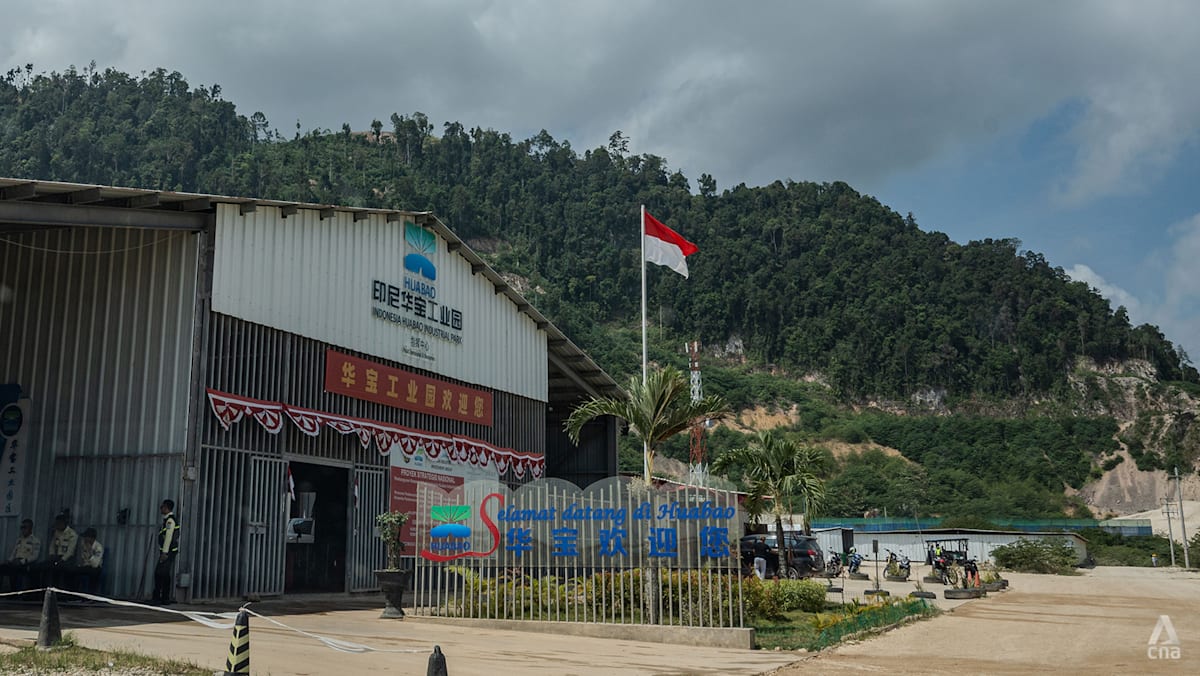
Purbaya’s comments came after the China Chamber of Commerce in Indonesia (CCCI) sent a letter to Prabowo saying Chinese-invested companies had recently faced “excessively stringent regulation, over-enforcement, and even corruption and extortion” by authorities.
In the undated letter, a copy of which was seen by CNA, the chamber said these problems had “severely disrupted normal business operations” and “directly undermined long-term investment confidence” among Chinese companies in Indonesia.
The CCCI said Chinese firms had long supported Indonesia’s government and invested in line with local laws, while contributing to economic growth, jobs, industrial development and social responsibility programmes.
But it said the business environment had become increasingly difficult as Jakarta tightened control over mining, export earnings, forestry enforcement and work permits.
Indonesia has tightened controls over its mineral sector in recent years under its downstreaming policy, including a 2020 ban on raw nickel ore exports aimed at boosting domestic processing and value-added industries.
The Associated Press reported that the ban attracted extensive Chinese investment in nickel refining, helping lift the country’s share of global nickel production from 31.5 per cent in 2020 to 60 per cent in 2024.