SINGAPORE: A 67-year-old woman was charged on Wednesday (May 13) with feeding pigeons on four separate occasions near three different Housing Board blocks in Yishun.
Tan Cheng Chu, a Singaporean, was handed four charges of intentionally feeding wildlife without written approval from the director-general of wildlife management under the Wildlife Act.
Charge sheets showed that Tan first fed pigeons near Block 755 Yishun Street 22 on the afternoon of Aug 3, 2025.
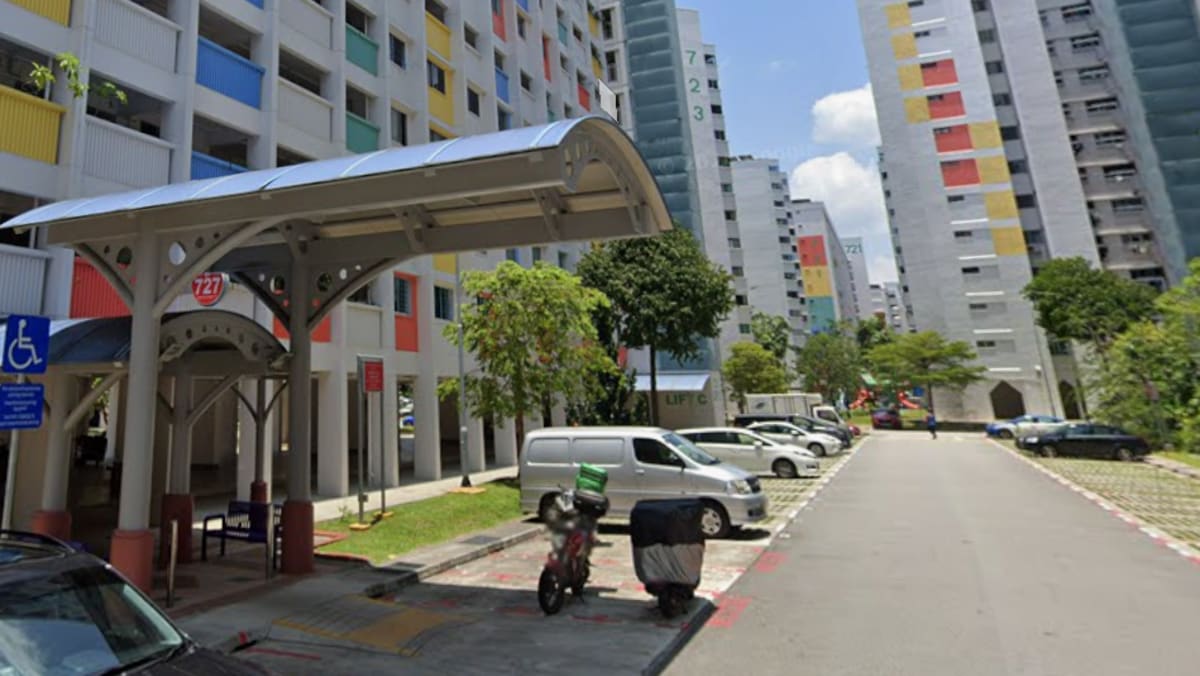
After a lull, she allegedly fed pigeons again this year, at a different location, Block 728 Yishun Street 71, on the afternoon of Jan 23, 2026.
She is also accused of feeding pigeons another two times in February 2026 – with the acts happening two days apart – near Block 727 Yishun Street 71 on both occasions. This time, she fed the birds early in the morning, according to charge sheets.
It is an offence to feed pigeons in Singapore, which are considered wildlife under the Wildlife Act.
Pigeons carry diseases such as Salmonella bacteria, which cause diarrhoea, fever and stomach pain. Their droppings can spread the ornithosis disease, which results in fever, headache, vomiting and muscle aches among other symptoms.
Tan was remanded for medical examination from Wednesday. Her case will be heard again later this month.
If convicted, Tan can be fined up to S$5,000 (US$3,900) per charge for a first time offence.
Penalties for first-time offenders are set to double to a maximum of S$10,000 after parliament passed a Bill that included amendments to the Wildlife Act earlier this month.
Repeat offenders can be jailed for up to 12 months and fined up to S$$20,000 – an increase from the current maximum of S$10,000.
The revised penalties will come into effect later this year.
A 71-year-old woman, who was previously fined S$1,200 in 2025 for feeding wild birds, was fined again in February this year for feeding pigeons nine times over about six months.
Another woman, 60, was fined S$9,000 in March for feeding pigeons 17 times after her previous conviction for the same offence.
CNA reported in March that seniors aged 65 and above were responsible for about half of the illegal bird-feeding cases in Singapore between 2023 and 2025.
Some seniors form a habit of feeding birds to make up for the loss of routine and structure in their lives, and loneliness might lead them to seek companionship among birds and other animals.