
There have been 54 raw chicken items sold in Dunnes Stores, Tesco, Lidl, Aldi, SuperValu, Centra, Spar, Eurospar, Mace, Londis and XL urgently recalled due to the bacterial disease

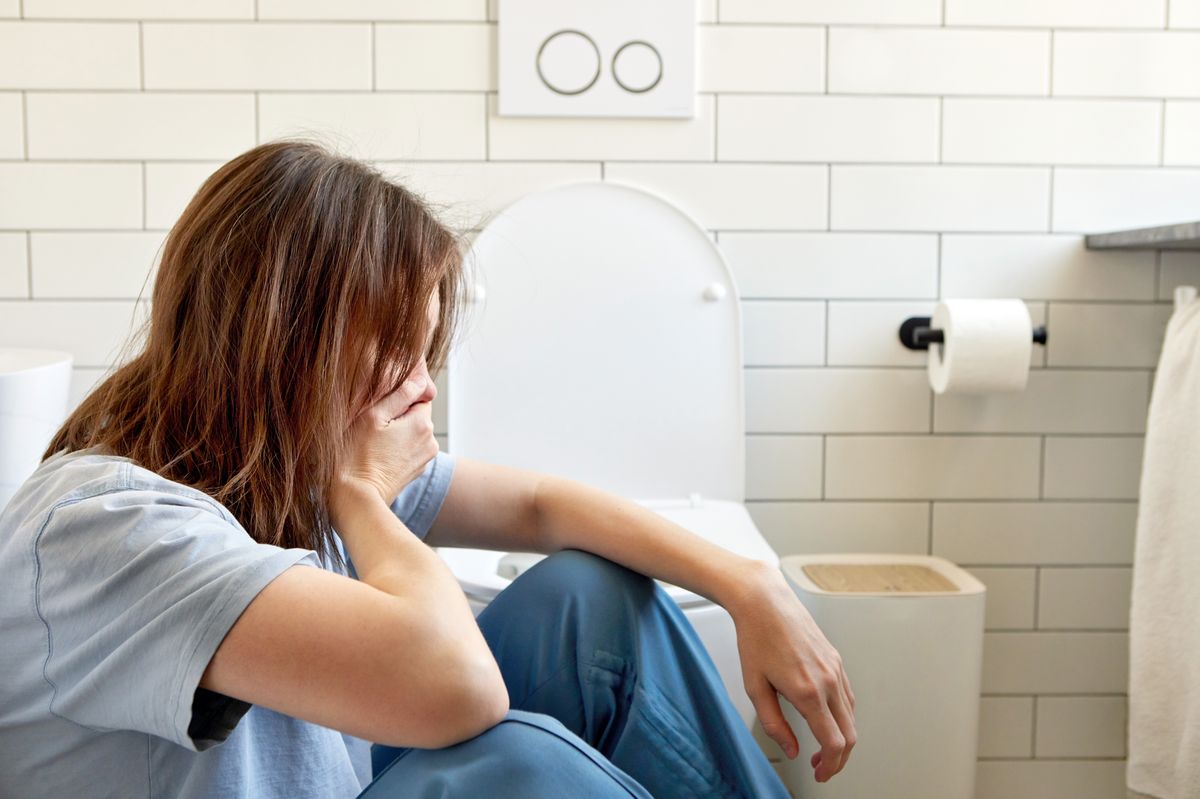
Woman feeling sick(Image: Getty Images)
Recent food safety warnings have led to over fifty chicken products being recalled due to the presence of Salmonella – here is all you need to know about the bacterial disease.
- Salmonella infection is a common bacterial disease that affects the intestinal tract. It is a common type of bacterial food poisoning. The disease typically lives in the intestines of animals and humans and is shed in stool (faeces). Humans most frequently become infected through contaminated water or food.
- Some people with Salmonella infection have no symptoms. People commonly develop diarrhoea, fever and stomach cramps within 8 to 72 hours after exposure, and most healthy people recover within a few days to a week without specific treatment.
- In some cases, diarrhoea can cause severe dehydration and require medical attention. Life-threatening complications also may develop if the infection spreads beyond the intestines. The risk of Salmonella infection is higher when travelling to countries without clean drinking water or proper sewage disposal.
- Salmonella is usually caused by eating raw or undercooked meat, poultry, or eggs, or by drinking unpasteurized milk. The incubation period can be 6 hours to 6 days. Often, people who have a Salmonella infection think they have the stomach flu
- Other signs and symptoms of Salmonella infection, according to the Mayo Clinic, include nausea, vomiting, chills, headache and blood in the stool. Signs and symptoms of Salmonella generally last a few days to a week. Diarrhoea may last up to 10 days, but it may take several months for the bowels to return to their usual habits.
- Most people don’t need to seek medical attention for Salmonella, as it usually clears up on its own within a few days. However, if the affected person is an infant, young child, older adult or someone with a weakened immune system, call a health care provider if the illness lasts more than a few days, is associated with high fever or bloody stools, or appears to be causing dehydration, with signs such as urinating less than usual, dark-colored urine and having a dry mouth and tongue
- Some medical problems or medications appear to increase your risk of catching Salmonella by weakening your immune system. This interferes with your body’s ability to fight infection and disease. Examples include human immunodeficiency virus (HIV) /AIDs, sickle cell disease, malaria, anti-rejection drugs taken after organ transplants and corticosteroids.
- The Food Safety Authority of Ireland (FSAI) describes the bacterial disease as: “People infected with Salmonella typically develop symptoms between 12 and 36 hours after infection, but this can range between 6 and 72 hours. The most common symptom is diarrhoea, which can sometimes be bloody. Other symptoms may include fever, headache and abdominal cramps. The illness usually lasts 4 to 7 days. Diarrhoea can occasionally be severe enough to require hospital admission. The elderly, infants, and those with impaired immune systems are more likely to have a severe illness.”
Keep up to date with the latest food recalls by clicking here.
Want to see more of the stories you love from RSVP ? To add RSVP as a preferred source of news on Google, simply click here